


A common question that pops up on holiday could end up costing travellers money, warns Martin Lewis – and it is one many answer incorrectly without realising.
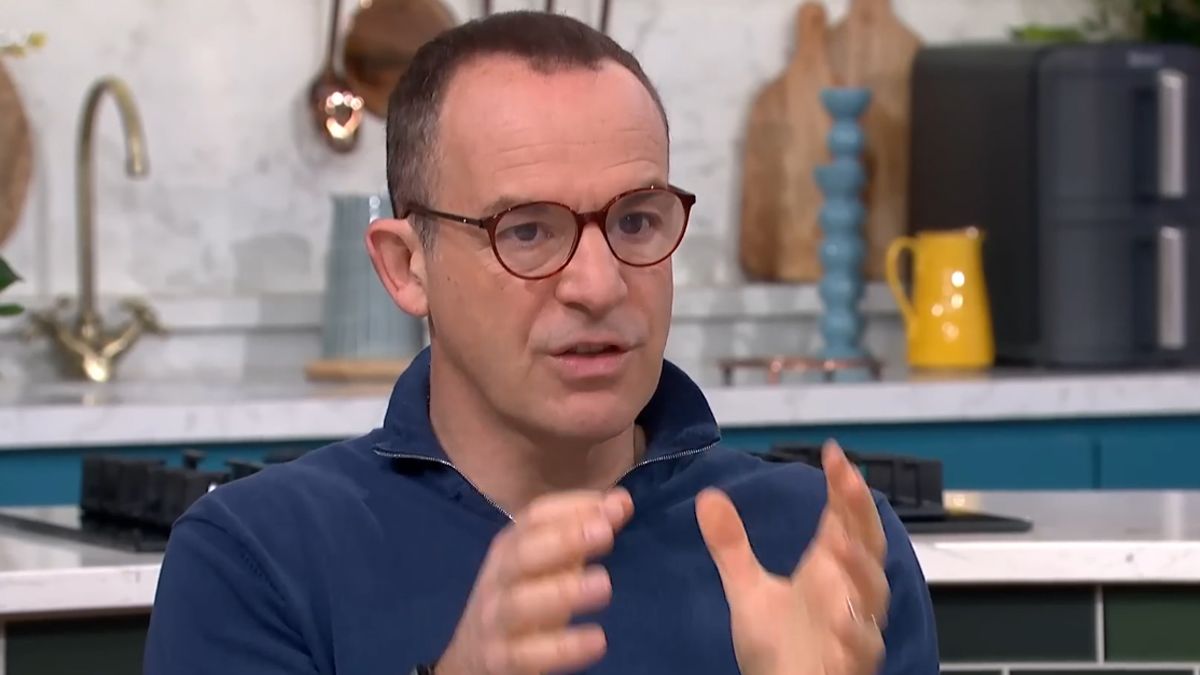
The money-saving expert issued the alert during an appearance on This Morning on Tuesday, where he explained why holidaymakers should think carefully before accepting a currency conversion offered by overseas ATMs and card machines.
Speaking on the ITV programme, Martin was asked whether travellers should choose to pay in pounds or the local currency when abroad. His answer was clear – in most cases, it’s the latter.
Explaining how the system works, he said that when an ATM or card machine asks whether you want to pay in pounds or euros, for example, it’s effectively asking who should carry out the currency conversion.
“If it’s euros, do you want your card company to do the conversion? If it’s pounds, we will do the conversion for you and then charge your card,” Martin explained.
 View 3 Images
Cash machines abroad are after your money(Image: Getty Images)
He pointed out that many travellers now use specialist overseas spending cards that offer exchange rates close to the interbank rate. In those cases, allowing the card provider to handle the conversion usually results in a better deal.
However, Martin said even standard debit and credit cards will often offer a more competitive exchange rate than the one provided by a foreign ATM or retailer.
“Even the bog standard pretty pants cards here tend to be better than the shop abroad doing it,” he said, warning that overseas providers can add a significant markup to the exchange rate.
The extra cost can sometimes reach 6 per cent or 7 per cent, while some overseas cash machines may also charge an additional withdrawal fee on top.
This practice is known as Dynamic Currency Conversion (DCC). According to consumer group Which?, it allows foreign retailers and ATM operators to convert a transaction into pounds at the point of sale, but the exchange rates offered are often considerably worse than those available through banks and card providers.
 View 3 Images
Martin Lewis shared some tips for holidaymakers(Image: ITV)
Martin also warned that some ATMs actively encourage users to choose pounds because it is more profitable for the operator.
Describing the prompts displayed on screen, he joked: “I want euros, please. Are you sure? We won’t do the conversion. Are you absolutely sure? Yes, I want euros.
“The ATM… they are desperate to persuade you to let them do the conversion because they make a lot of money from it.”
Article continues below
His advice was simple. If you’re in Europe, pay in euros. If you’re in the United States, pay in dollars. Wherever you’re travelling, choose the local currency rather than pounds whenever you’re given the option.