


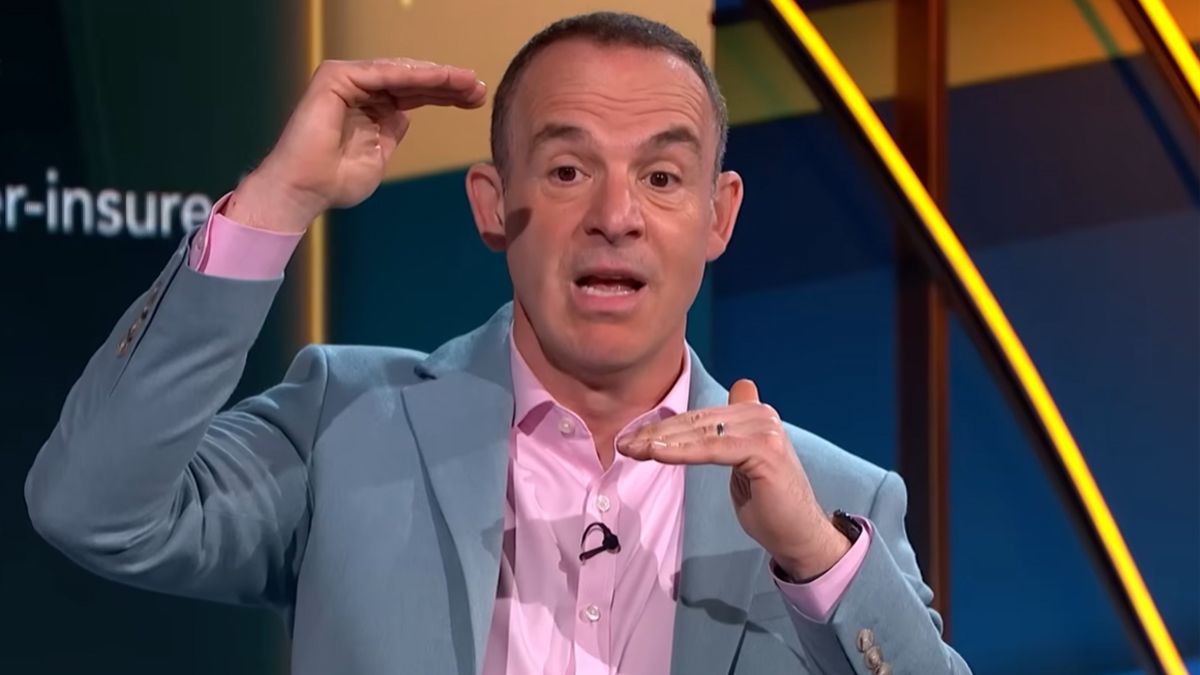
Martin Lewis has issued crucial advice regarding pension contributions and their potential impact on tax allowances. He pointed to a tax ‘cliff edge’ that you that is worth bearing in mind.
The financial expert shared the guidance following a query on his BBC podcast from an employee worried that additional earnings on top of their regular salary might push them into the higher tax bracket, and how best to manage this situation. In England, Wales and Northern Ireland, income tax is charged at 20 per cent on earnings between £12,570 and £50,270 annually. Once your income exceeds £50,270, the higher rate of 40 per cent applies.
Responding to the listener’s concern, Mr Lewis said that if you’re approaching the higher rate threshold, there are specific practical measures worth exploring that could prove “advantageous to you”. One strategy that might be beneficial is changing your pension arrangements.
Mr Lewis said: “You could increase your pension by that amount, because you get that 40 per cent tax relief. As you’re paying higher tax, because pension (contributions) come from pre-tax income, you get 40 per cent tax relief on it. Instead of it costing you 80p per £1 you get in your pension, it costs you 60 per £1.”
Mr Lewis highlighted a significant tax change that occurs when you enter the higher rate bracket, which is worth thinking about when planning your pension contributions. He explained: “The reason you may not want to be a higher rate taxpayer, apart from paying more tax, is crucially because, if you become a higher rate taxpayer, your personal savings allowance drops.
“There is a cliff edge here.” This is because once you transition into the higher income tax rate, the amount of tax-free interest you can accumulate annually outside of ISAs falls from £1,000 to £500.
Higher-rate taxpayers presently pay tax on their interest income at their marginal rate of 40 percent, meaning you could potentially face an additional £200 tax bill from losing £500 of the allowance. Mr Lewis warned: “You actually lose quite a nice chunk of your ability to earn interest tax-free.
“If you are not earning (taxable) interest on savings, it doesn’t really make much difference to you at the moment anyway, but it might do in future. But certainly if you’re only dripping a tiny bit into the higher rate tax threshold, then you could utilise increasing your pension contributions to reduce your salary, so that you are no longer a higher rate taxpayer.
“That would mean you would keep the £1,000 a year of interest that you can get tax-free from savings.”
 View 2 Images
Martin Lewis spoke about how your pension contributions can impact your tax allowances(Image: Getty)
Several significant savings tax changes are on the horizon. From April 2027, the existing £20,000 ISA allowance will be reduced.
Currently, you can split the allowance however you wish between cash ISAs and stocks and shares ISAs. However, from next year, you will only be permitted to use up to £12,000 as you see fit.
The remaining £8,000 will exclusively be available for making deposits into investment-based accounts. The tax rate applied to your interest earnings is also set to rise, climbing by two percentage points across each tax bracket.
For those on the basic rate, this means their rate will jump from 20 per cent to 22 per cent. Higher rate taxpayers will see their rate climb from 40 per cent to 42 per cent.
Article continues below
Those on the additional rate will see an increase from the current 45 per cent up to 47 per cent.