


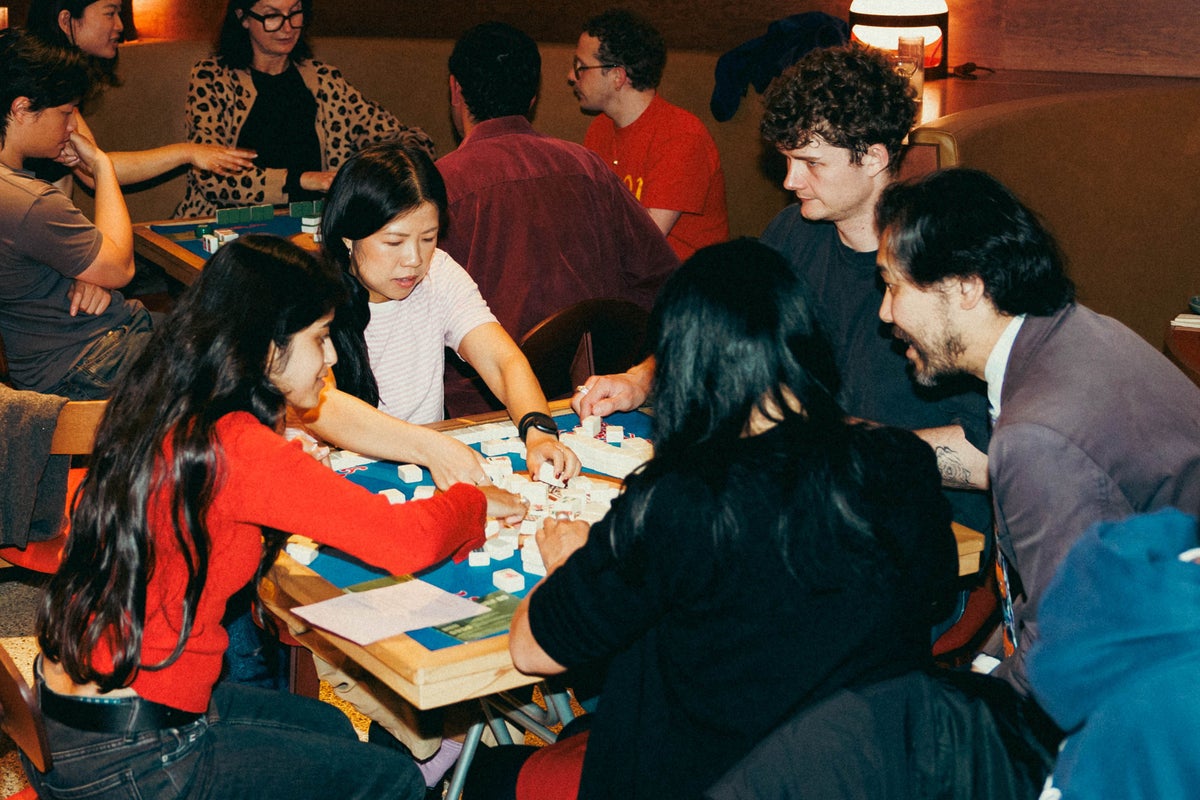
With its low lighting, small plates, film projector and steel countertops, Cafe Kowloon, a chic Cantonese restaurant in the hipster area of London Fields, from the team behind Daddy Bao and Wonton Charlie, is easily one of east London’s coolest openings of 2026.
If you walked past the restaurant on a balmy evening in June, you might expect to hear electronic cantopop (correct) and the clinking of cocktail glasses. More surprising as you lean your ear further into the hubbub? The therapeutic clicks and clacks of melamine tiles knocking against each other as dozens of young people gather to play mahjong.
The 200-year-old game, which started in Shanghai, has captured the hearts of young people, with global attendance at mahjong events tripling in the past year, according to the ticketing platform Eventbrite. Game nights are held in London, New York, Los Angeles, Paris, Sydney, Berlin and Helsinki, with hundreds in attendance. The UK Mahjong Association has seen numbers increase more than sevenfold since 2010.
A cursory glance at social media demonstrates how passionate new fans are, spreading the word about the game online. There are, at the time of writing, 122,000 videos under the mahjong hashtag on TikTok and 608,000 posts on Instagram. Over on YouTube, the top tutorial video now has 5 million views. “The tiles look delicious,” one person commented.
 open image in gallery
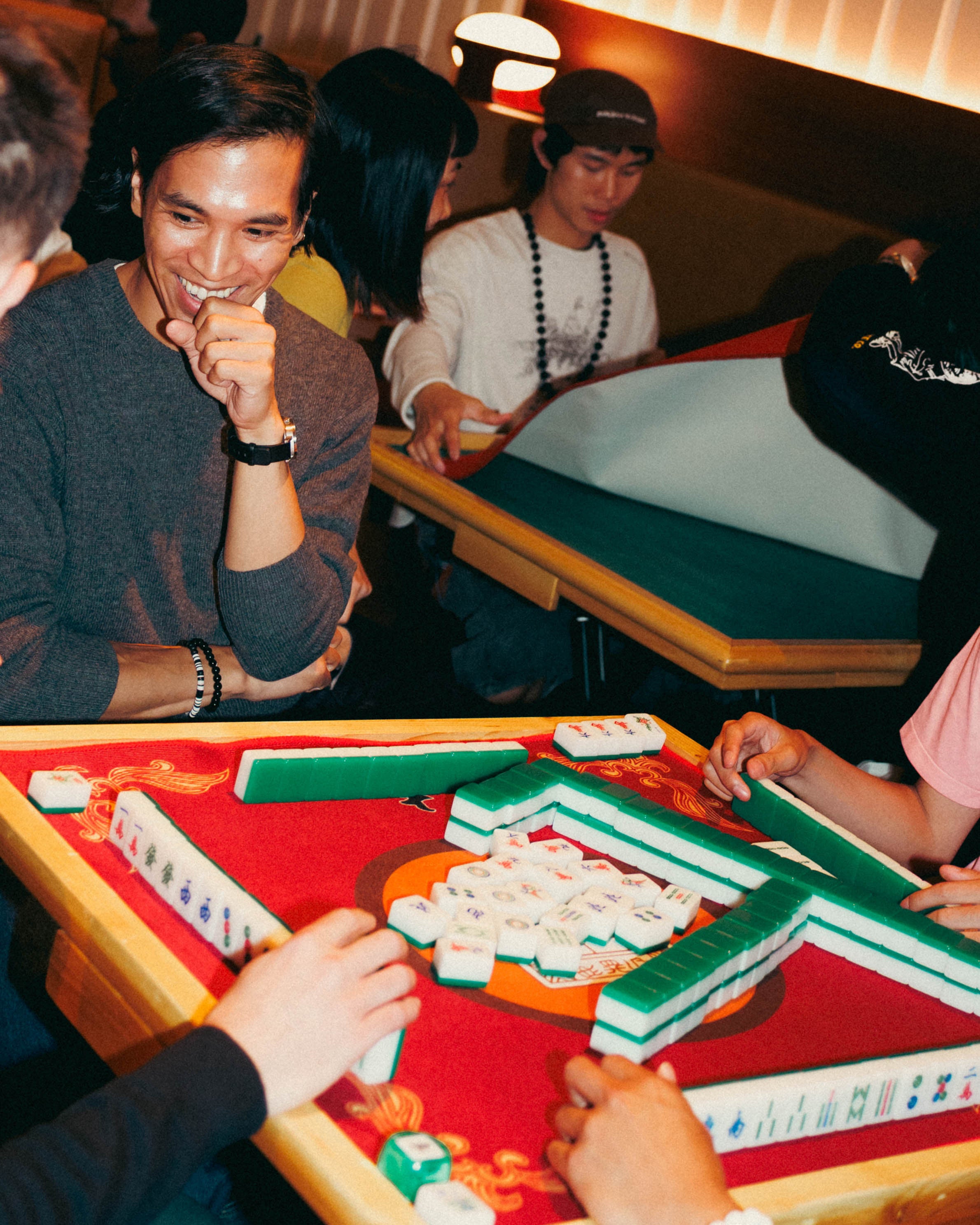
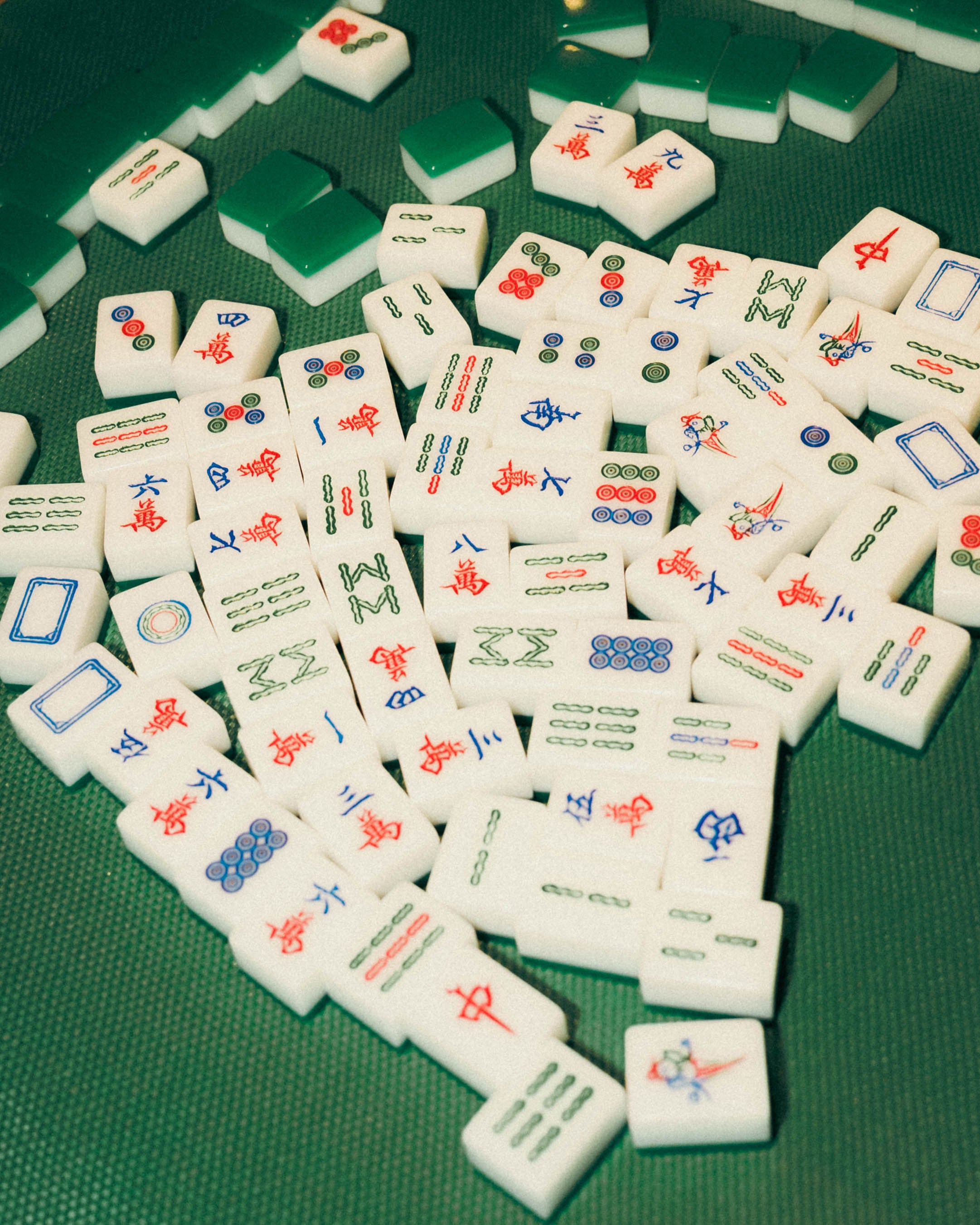
Sensory satisfaction has played a huge part in mahjong’s popularity. The name means “sparrow” in Chinese, as the clicks of the tiles knocking together evoke the sounds of the small bird. “I often tell my students, ‘Okay, now it’s time to wash the tiles,” Vivien Mo, who runs mahjong events at her language school, Dear Asia tells me. “That’s the fun part.”
The game is simultaneously simple and complex. Four players sit at a table and draw 13 tiles each and try to collect sets (somewhat like the card game rummy). It’s half talent, half luck and the winner shouts “mahjong” when they have a full hand. “If you want to aim for the special hands, then you need to be more tactful,” says 42-year-old Tommaso Muffato, who’s been learning with Mo, as well as practising online.
Mo, like many people who grew up in Asian households, learnt to play mahjong from her family, a process she says was a somewhat ruthless baptism of fire. “You’re in the deep end because families don’t have patience or an actual system to teach you,” she laughs. “You get beaten down, and then you get the hang of it after quite a while – not so fun.”
In January 2025, Mo decided to run a mahjong event to celebrate the New Year and designed learning materials around it so newbies could try the game without fear. The event sold out, so they did another one for the Chinese Lantern Festival in March – that sold out too. “We just kept putting out dates and almost every workshop has been sold out,” she enthuses. “It’s quite a social game, it provides community – but, like any hobby, it sticks because it’s fun.”
 open image in gallery
Mahjong started as a gambling game and was played in teahouses and brothels before spreading to the bourgeoisie by the end of the 19th century. There is an opulent side of the game today too, with Rimowa selling a set for £3,400, Prada flogging one for £5,500 and Louis Vuitton offering a mahjong travel trunk for a whopping £48,000.
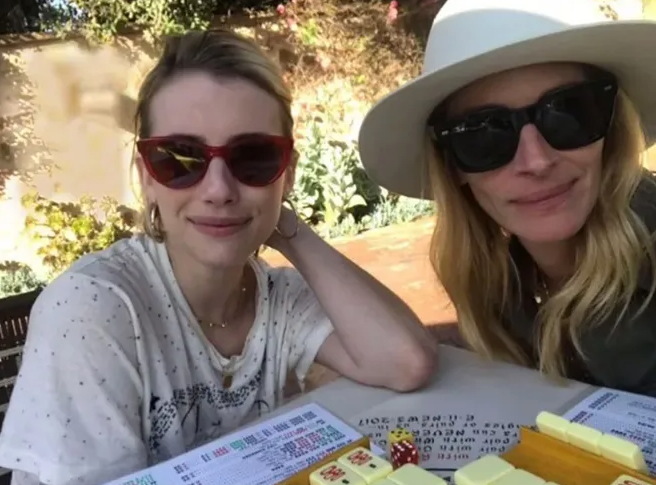
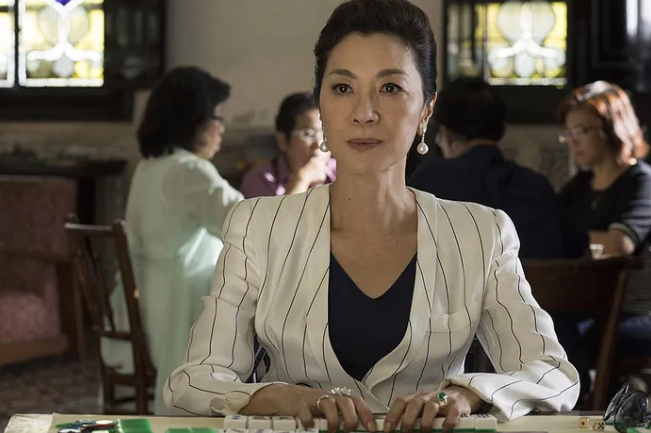
Meghan Markle featured the game on her Netflix show, Sarah Jessica Parker and Amy Poehler regularly play, and Blake Lively reportedly had a set delivered on a particularly long day at court during her suit against Justin Baldoni. Emma and Julia Roberts snapped a selfie with a board between them, and Michelle Yeoh has racked up the tiles on-screen in the hit film Crazy Rich Asians.
“It’s a game for everyone,” asserts Mo. “But there is a trend among the upper classes. We teach a lot of people in Belgravia, Notting Hill and Chelsea. These private clients don’t want to come to us – we go to them, so they can host parties in their homes. Among the Chelsea ladies, actually, a lot of them request American mahjong rather than Chinese.”
Mahjong first reached America in the 1920s. Joseph Babcock – a Standard Oil employee who was sent to China, where he learned to play with his wife – simplified the game and created tiles with roman numerals instead of Chinese characters. Quickly, the Westernised edition of the game took off. Fred Astaire played, as did President Warren Harding.
 open image in gallery
On TikTok, American creators have dozens of sets, mahjong travel bags, numerous sets of tile racks, multiple cute mats – and no understanding of or interest in Chinese. The game has been adopted, seemingly, in many instances for its chic aesthetic, with little regard for its heritage, leading some event organisers to worry the game has become vapidly trendy. Notably, mahjong’s boom has coincided with the online trend to be “diagnosed Chinese” by drinking hot water with boiled goji berries, eating dumplings or wearing slippers in the house.
Within the Asian diaspora, mahjong is playable and profound. Each family operates under house rules, which are passed down from generation to generation. Nicole Wong, the author of Mahjong: House Rules From Across the Asian Diaspora, first learned to play when she travelled to New Zealand to visit her grandparents after growing up in California. “For me, it really felt like I was getting my family’s recipes or a piece of jewellery passed down to me,” she says. “It’s like a family inheritance to be able to learn it and then teach it to others.
Wong hopes that the exposure of the mahjong trend can ultimately lead to the game becoming more of a regular part of people’s everyday social lives. “So, it won’t be a notable event anymore,” she says. “People are just playing. I look forward to that.” Really, she notes, mahjong should take the players on a journey. “It starts with the game,” she says.
“But if people continue to engage with it, you can’t help but learn about other players’ stories. You want to read a book about mahjong, or learn other styles from other places – it’s a very tangible example of cross-cultural interaction; and if it piques an interest in travel or learning about other cultures then how cool is that?”
 open image in gallery
Nobody’s story exemplifies this better than Muffato’s, who’s been learning Chinese for six years. “My family is Italian and has no connection with Chinese culture,” he says. “But when I told my mum about mahjong she said ‘oh, don’t buy a set, we have a very nice one that your grandfather bought in the Sixties.” Muffato’s nonno died when he was three. Now, he plans to bring mahjong back to his parents using the set he left behind.
The 42-year-old is set to travel to China to play mahjong with the Aunties there, despite Mo warning him they’re “pretty cut-throat”. “They will definitely win and definitely destroy me,” he laughs. “I am ready to be destroyed. As long as I can get a little bit of some and some improved language skills out of it, then I will let them turn me into meatballs.”