


A power struggle in Rome may have shaped the invasion of England by William the Conqueror, a newly discovered papal letter reveals.
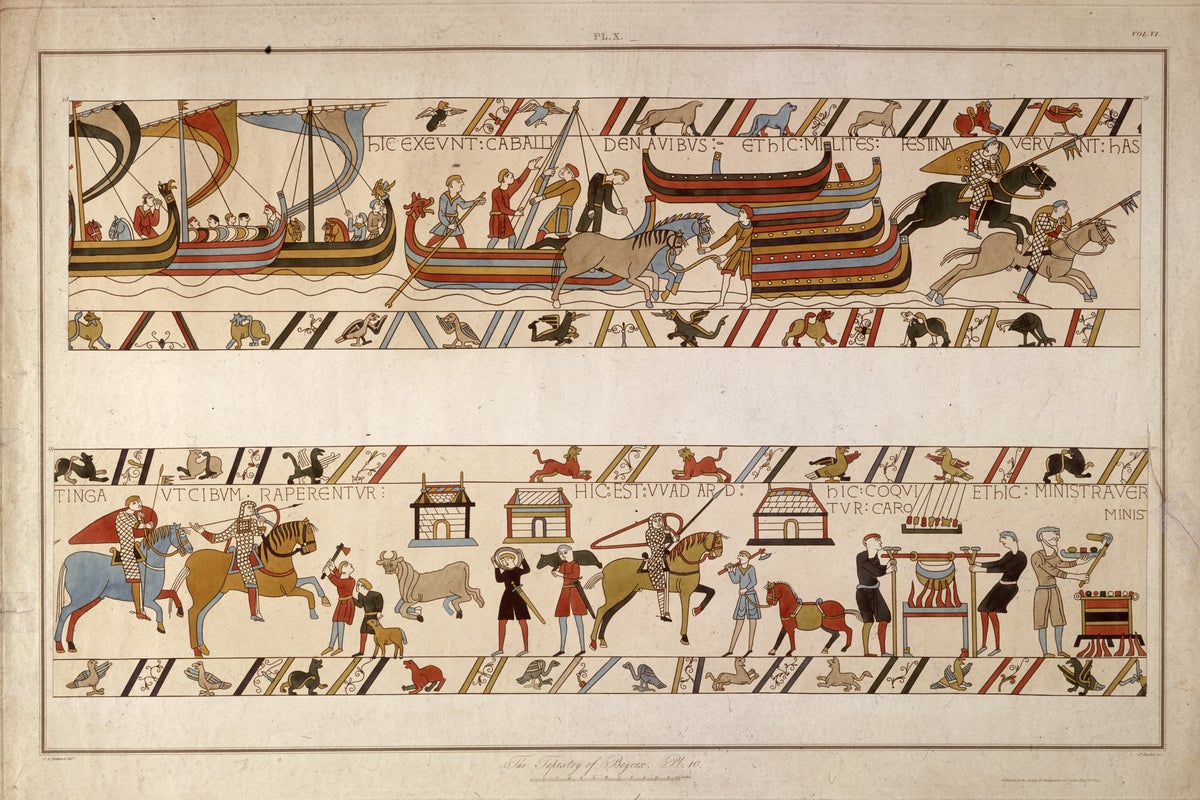
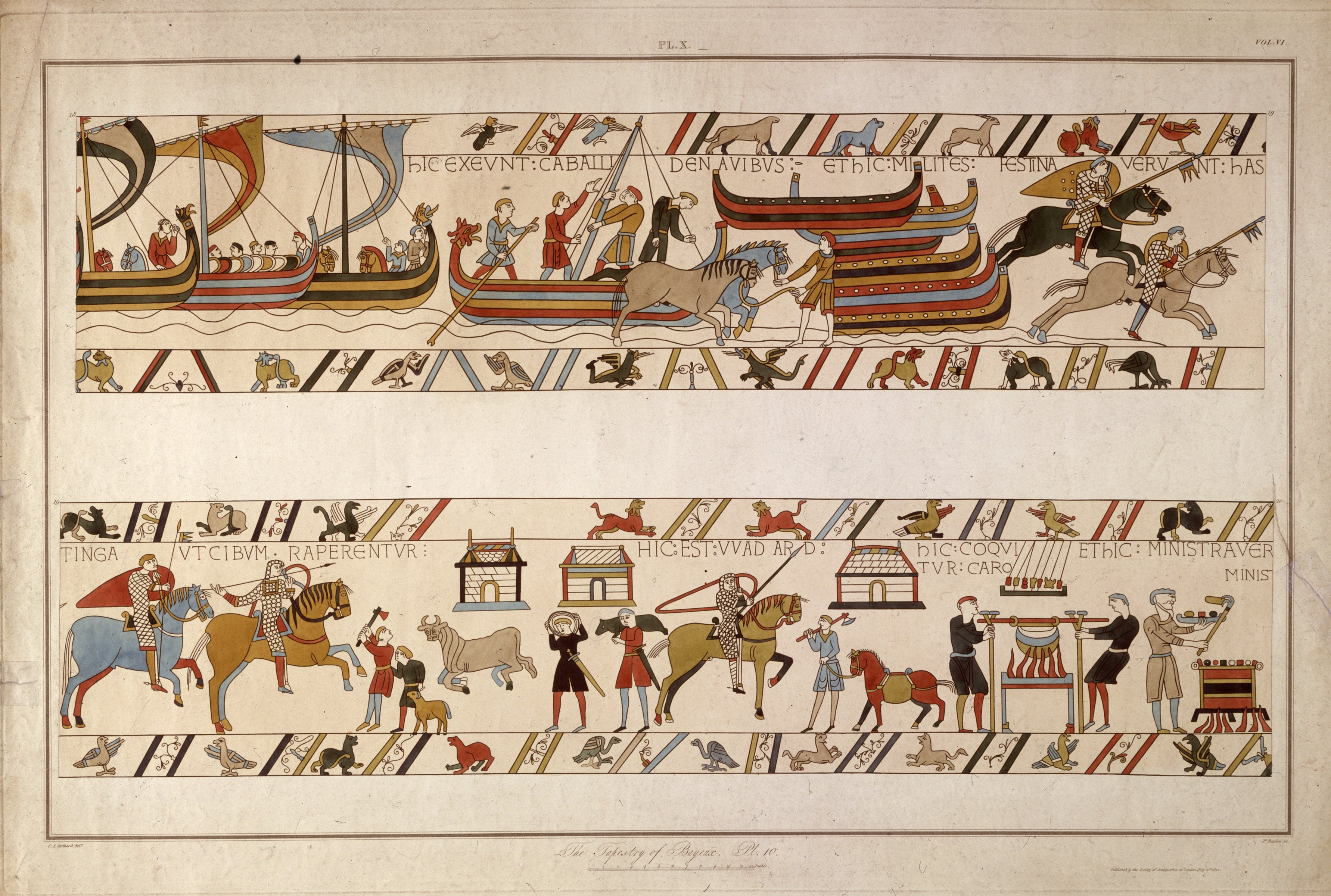
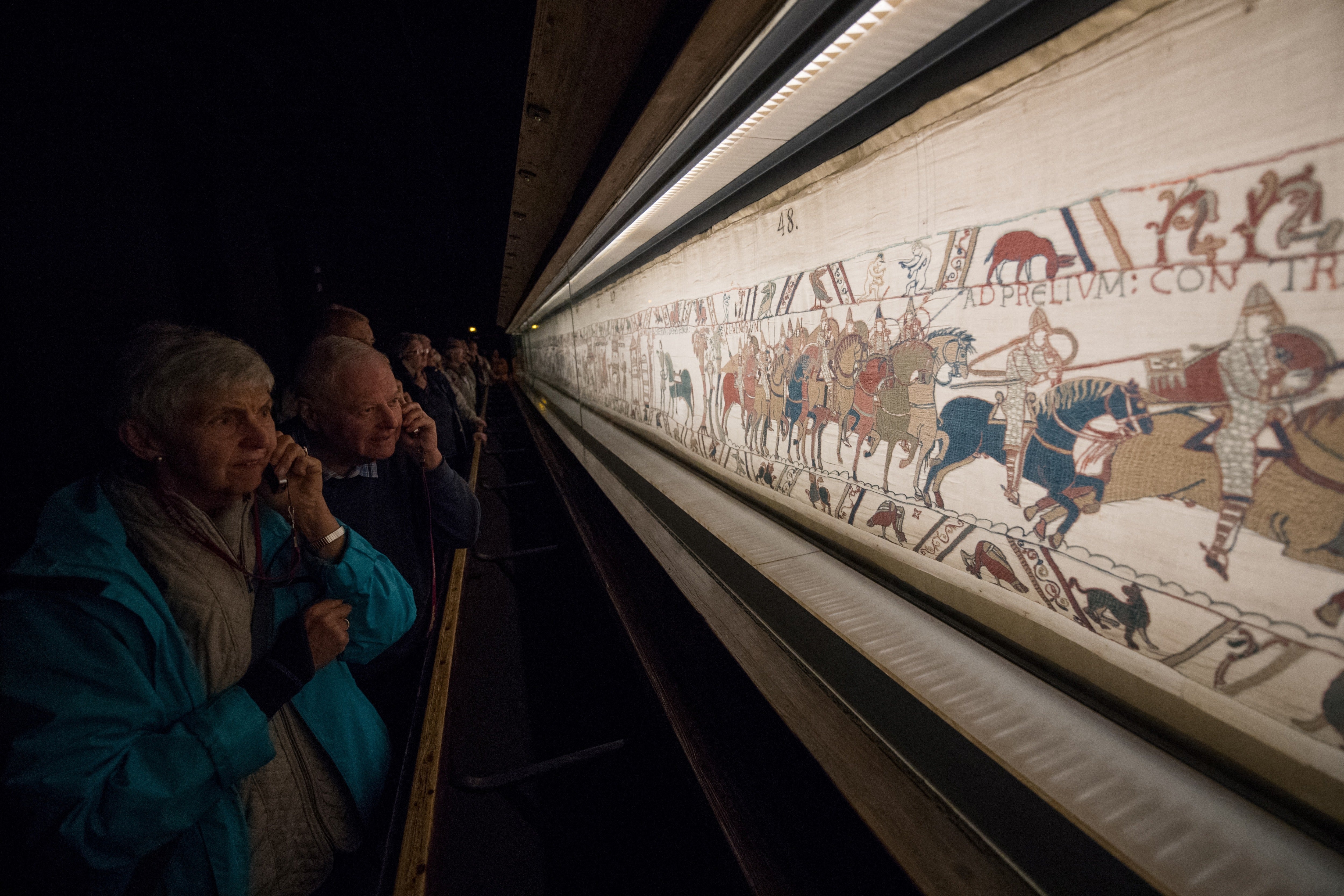
William, the Duke of Normandy, defeated Harold Godwinson and his forces in the Battle of Hastings in 1066. The events leading up to the battle are depicted on the 230ft Bayeux Tapestry, which is set to be displayed at the British Museum in London.
Now, a lost letter from Pope Alexander II sheds more light on how it all came about.
It shows that the battle for England’s crown was shaped by a bitter power struggle between two rival popes, who both claimed authority, in the 1060s.
England’s support for the rival papal faction may have persuaded Pope Alexander II to back William’s invasion, the newly discovered letter from the Vatican archives shows.
 open image in gallery
For centuries, the Norman Conquest has largely been understood as the result of a power struggle sparked by the death of Edward the Confessor and rival claims to the English throne.
The letter suggests that the power struggle in Rome may have had far-reaching consequences as well.
“1066 was not simply decided on the battlefield at Hastings. The outcome may also have been shaped by decisions taken almost a thousand miles away in Rome,” Tom Licence, professor of medieval history and literature at the University of East Anglia, said. “Harold’s policy on the papacy may ultimately have played into the hands of his enemies, giving William’s opportunistic invasion the legitimacy of a just war.”
The discovery followed an examination of overlooked excerpts from a lost letter by Pope Alexander II that was preserved in a medieval canon law collection held in the Vatican.
“The pope’s whole register of letters is lost. But some survive as copies or excerpts. Two excerpts from this particular letter survive in collections of papal rescripts,” Dr Licence said.
In the letter, the pope said England had been under the protection of St Peter until people “fired with the pride of their father Satan” led the English away from “the path of truth”.
Historians largely treated these remarks by the pope as unexplained references. But, now, researchers say they can be fully understood in the context of a fierce dispute which divided Western Christendom in the early 1060s.
 open image in gallery
“In 1061, rival factions elected two competing popes, Alexander II and Bishop Cadalus of Parma, who became known as Honorius II,” Dr Licence said. “For several years the two popes and their supporters fought for control of Rome, with Honorius retaining powerful backing from the Holy Roman Empire and attracting support elsewhere in northern Europe.”
Researchers say the language used in the letter reflects the political and religious rhetoric employed against Honorius and his followers during the rift.
“In the eyes of Pope Alexander’s supporters, it was no longer simply a battle for a crown, but a struggle against those they regarded as followers of Satan,” Dr Licence said. “What this evidence suggests is that Pope Alexander II may have had political reasons of his own for backing the Norman invasion.”
This may help explain why a pope supported the violent overthrow of an anointed king.
The latter also offers a fresh perspective on the wider political currents, especially the complex dynamics between church and monarchy, leading up to the events of 1066.
“If Harold had aligned England with Alexander’s rivals, it would help explain why the pope was willing to support the overthrow of a crowned king,” Dr Licence said.
“Viewed from Rome, the conquest was not simply a succession dispute but part of a wider struggle over the future of the Church in Europe.”