


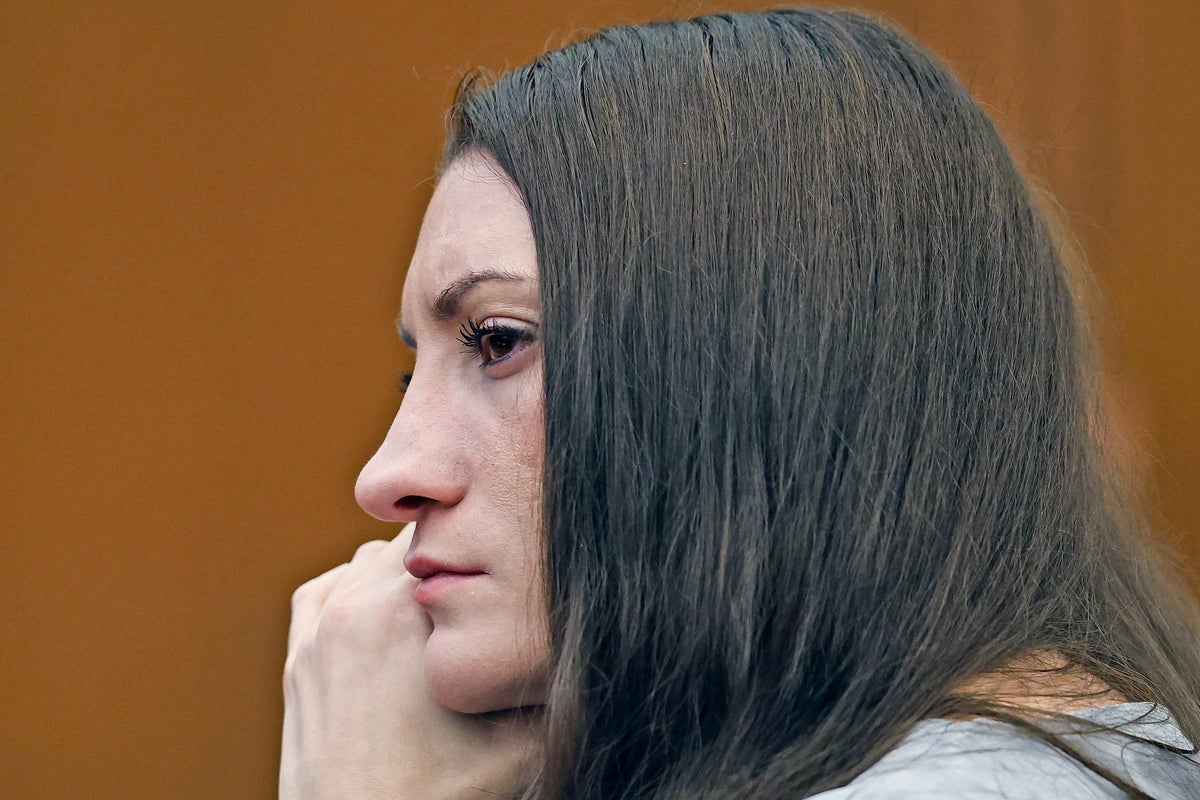
Lindsay Clancy’s fate is now in the hands of a jury after a month of emotional testimony centered on one critical question: Was the Massachusetts mother able to understand that killing her three young children was wrong?
Jurors began deliberating at about 12:30 p.m. Thursday after closing arguments in a case that has drawn intense national attention and sparked debate over postpartum mental health and the care available to mothers in crisis.
Clancy, 36, is charged with murdering her children, Cora, 5, Dawson, 3, and Callan, 8 months, at the family’s home in Duxbury, Massachusetts, on Jan. 24, 2023.
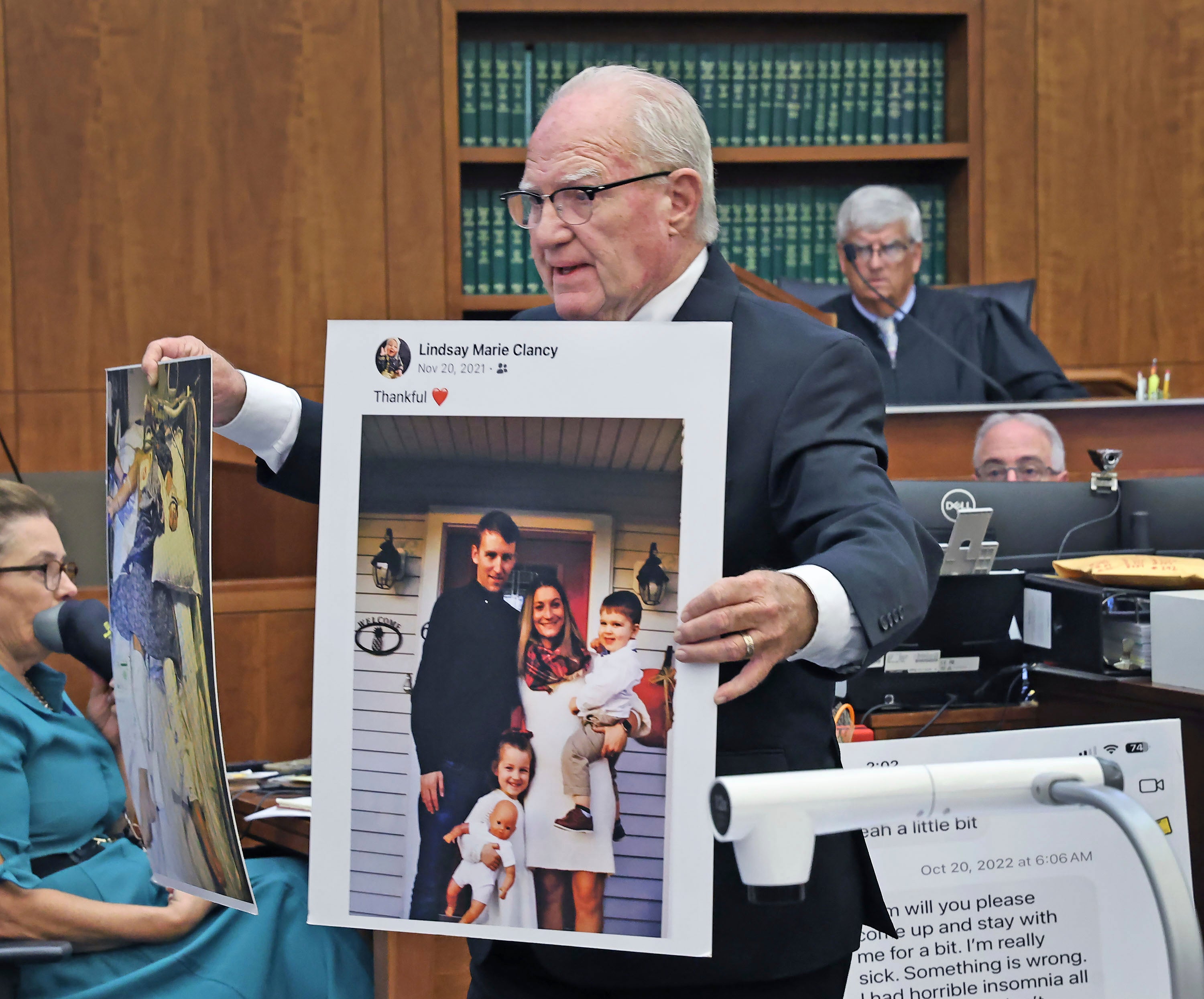 open image in gallery
She does not dispute that she killed the children but has pleaded not guilty by reason of lack of criminal responsibility. She has remained in custody since their deaths.
The trial has focused overwhelmingly on Clancy’s mental state and whether she could appreciate the wrongfulness of her actions.
Prosecutors contend that she could. They have pointed to her behavior earlier that day, including taking one of the children to a doctor’s appointment and playing with them outside, as evidence that she was functioning and understood what she was doing.
They also argue that Clancy deliberately arranged for her then-husband, Patrick Clancy, to leave the house on errands before the killings.
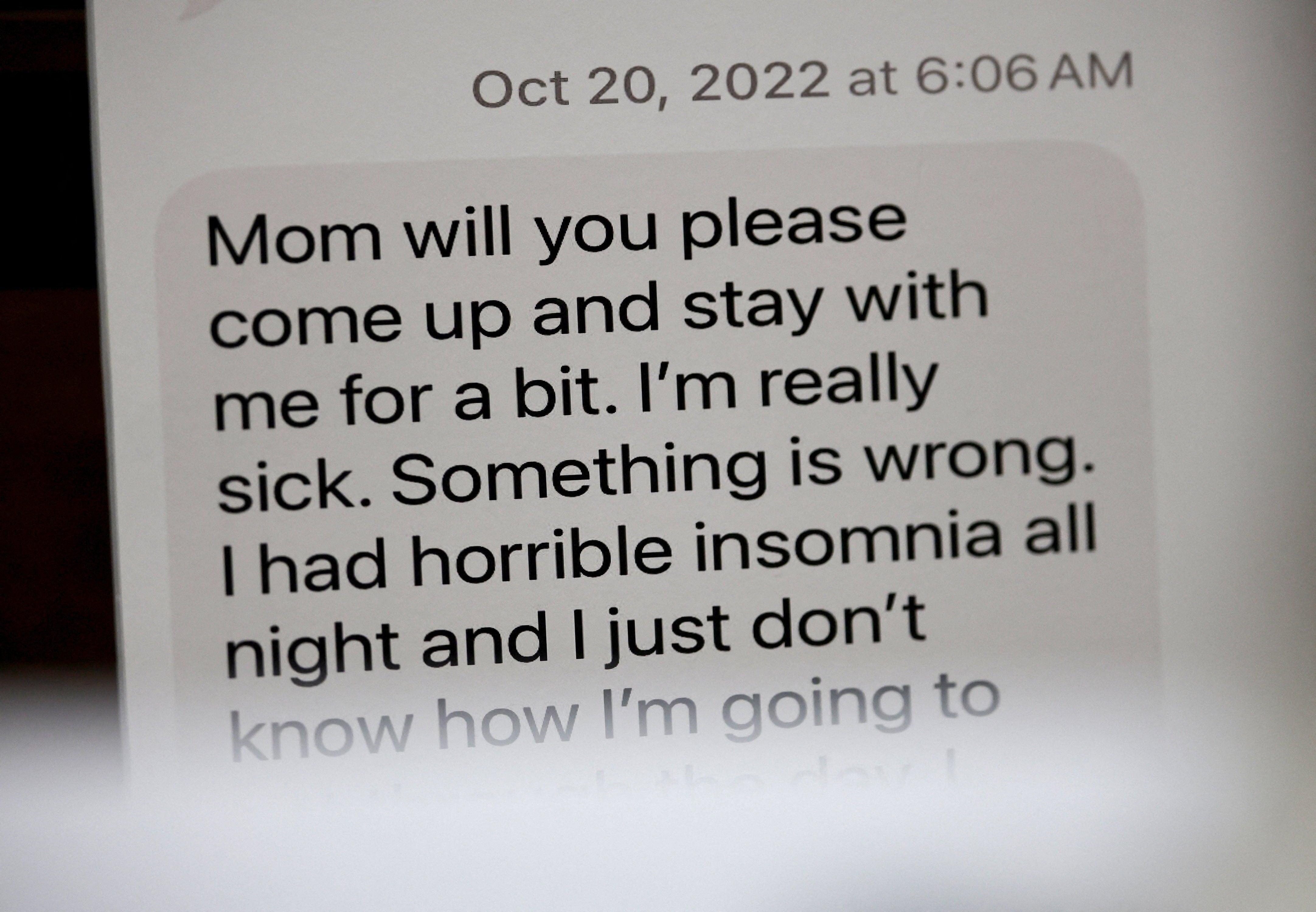 open image in gallery
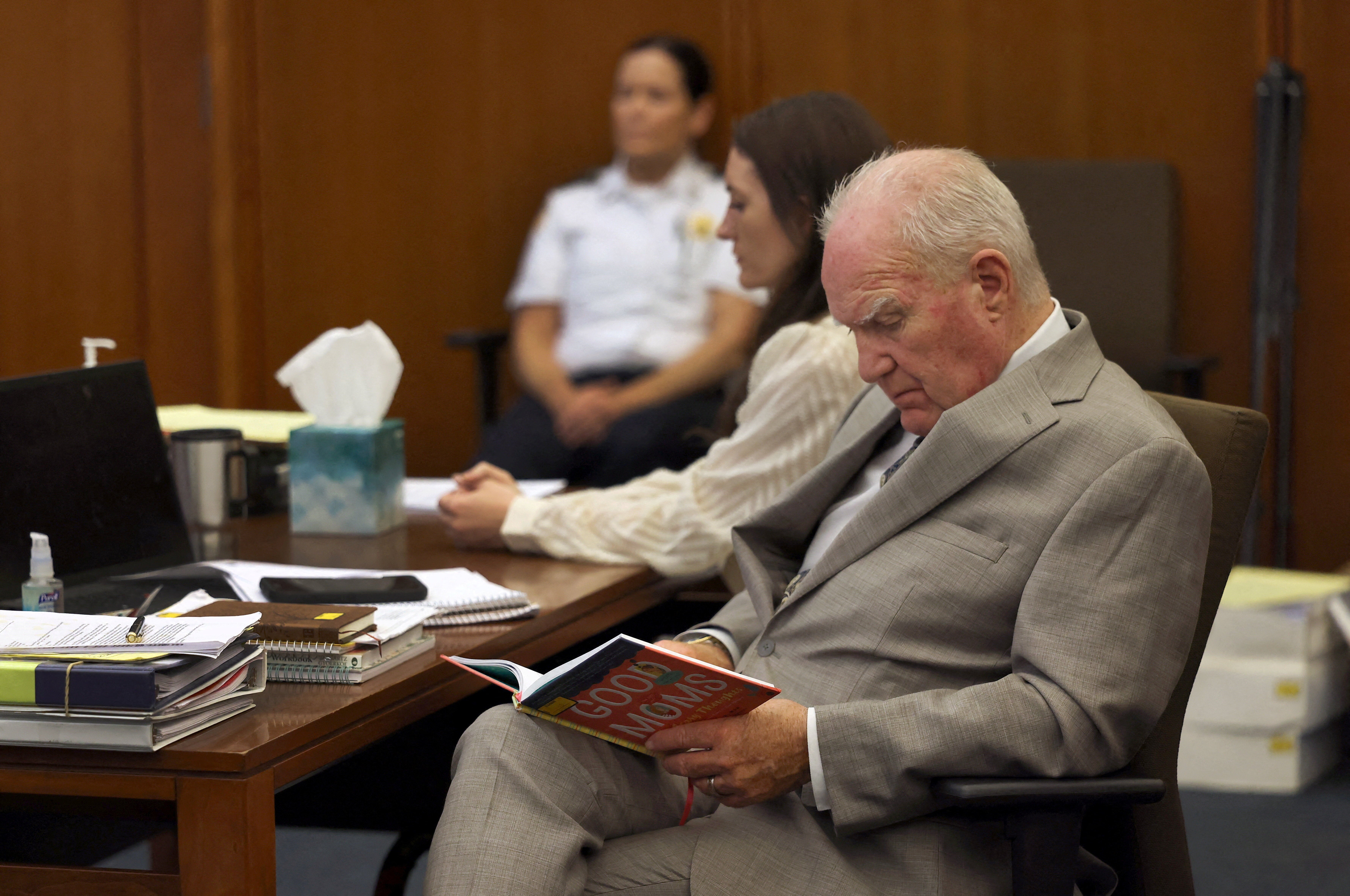
Her defense attorney, Kevin Reddington, has presented a starkly different picture, arguing that Clancy was suffering from severe mental illness, including postpartum psychosis, and should therefore not be held criminally responsible.
The killings occurred less than three weeks after Clancy was discharged from a psychiatric hospital, where she had sought treatment amid a worsening mental health crisis. She was seriously injured later that day and remains paralyzed from the waist down.
Jurors heard sharply conflicting testimony from medical experts about her condition.
 open image in gallery
A forensic psychiatrist called by the defense testified that Clancy was “clearly psychotic” and experiencing delusional thinking. Experts for the prosecution agreed that she had significant psychological problems but disputed that she was psychotic at the time of the killings.
They also questioned aspects of Clancy’s account and testified that, in their view, she remained capable of understanding right from wrong and controlling her behavior.
Clancy’s writings in the months before the deaths also became an important part of the trial. Diary entries described anxiety, feeling overwhelmed by caring for her infant, “brain fog” and being “desperate to get a mental break from taking care of everyone.”
Testimony showed that Clancy began seeking mental health treatment several months after Callan was born. Starting in September 2022, she saw multiple providers and entered several treatment programs before admitting herself to a psychiatric hospital for several days in early January 2023.
 open image in gallery
Her defense argues that the treatment was fragmented and that her medications were poorly managed. Clancy and her then-husband have filed separate civil claims against several people involved in her treatment. Those allegations have not yet been resolved in court.
Prosecutors countered that Clancy had extensive access to mental health care but sometimes changed providers, stopped taking certain medications and did not always follow medical advice.
Clinicians testified that although she reported serious emotional distress, they did not observe signs of mania or psychosis during their interactions with her.
Clancy’s mother also testified that her daughter had disclosed troubling thoughts about the children in December 2022.
 open image in gallery
Clancy did not testify during the trial, instead watching proceedings from the defense table as prosecutors and her attorneys presented dramatically different interpretations of her mental state.
Postpartum psychosis is a rare but serious psychiatric condition that can involve severe confusion, delusions and hallucinations. It is estimated to affect roughly one or two people per 1,000 after childbirth, with the risk higher among those with certain psychiatric conditions, including bipolar disorder.
Now jurors must decide which account of Clancy’s state of mind they believe.
If convicted of murder, Clancy could face life in prison without parole. If she is found not guilty because of a lack of criminal responsibility, the court would determine whether she should be released or remain confined in a state mental health facility.