


Last year, speaking to The New York Times, Reese Witherspoon described herself as having two very distinct jobs. “[I’m] a creator and a person who understands the economics of creating,” she said, in that slightly soul-sapping parlance of a San Francisco tech guru. Witherspoon, a giant star of TV and film whose media company Hello Sunshine was reportedly valued at $900m when it was sold in 2021, then expanded on her ethos, which straddles art and commerce. “You’ve got to go where the audience is,” she said. She claimed Gen Z don’t go to the cinema (untrue, it turns out), and that most older people see a single movie a year with their kids. “[You can’t] lament the fact that they didn’t show up, or have what I call old school-itis … attention spans are shifting. They just are.”
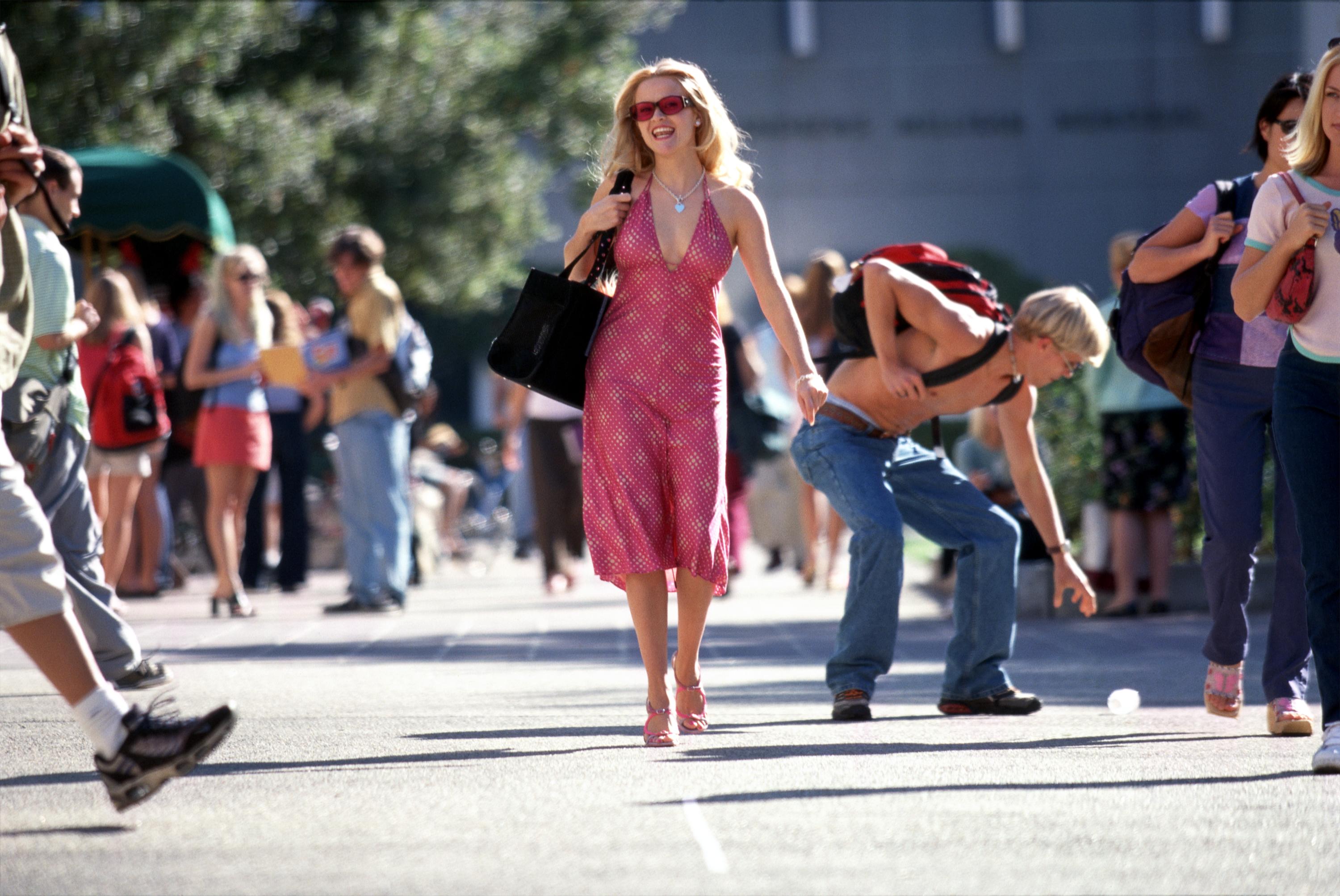
“Going where the audience is”, then, means making more stuff like Elle, a Prime Video series that serves as a prequel to Legally Blonde, the classic 2001 comedy that not only turned Witherspoon into an enormously bankable A-lister but came to define a kind of feminism that still dominates much of social media today: Elle was kind, inclusive and unashamedly girly, while also smart and shrewd and goal-oriented. Her journey over the course of the film – from an undervalued California sorority girl who enrolls in Harvard Law School to win back her ex, only to find herself, and a high-powered career, in the process – has made Legally Blonde the ur-text for the #Girlboss/girl-dinner/Barbie-but-make-it-woke aesthetic of the Noughties to now.
Witherspoon has called Elle an entry point to the messaging of Legally Blonde for a new generation of girls, but – in an admittedly more cynical reading – it’s also an extension of a very valuable bit of IP. There’s been a hit stage musical, a risible 2003 movie sequel that everyone chooses to forget, and a previous TV version that never made it past the pilot stage. Witherspoon has gone on record expressing her desire for more, but a Legally Blonde 3 has been stuck in development hell since 2018, cycling through different scripts (Mindy Kaling wrote one of them), and aborted release dates. Elle is a quick fix. And presumably a cheaper one, at that. It pleases shareholders, fills an “if you liked this, why not watch…” tile on the Prime Video landing page, and helps line the pockets of everyone involved – even if its curiously unfunny writing and nonsensical premise will likely leave many watching unsatisfied. (Prime has already renewed it for a second season, though, so you’ll find it hard to avoid either way.)
 open image in gallery
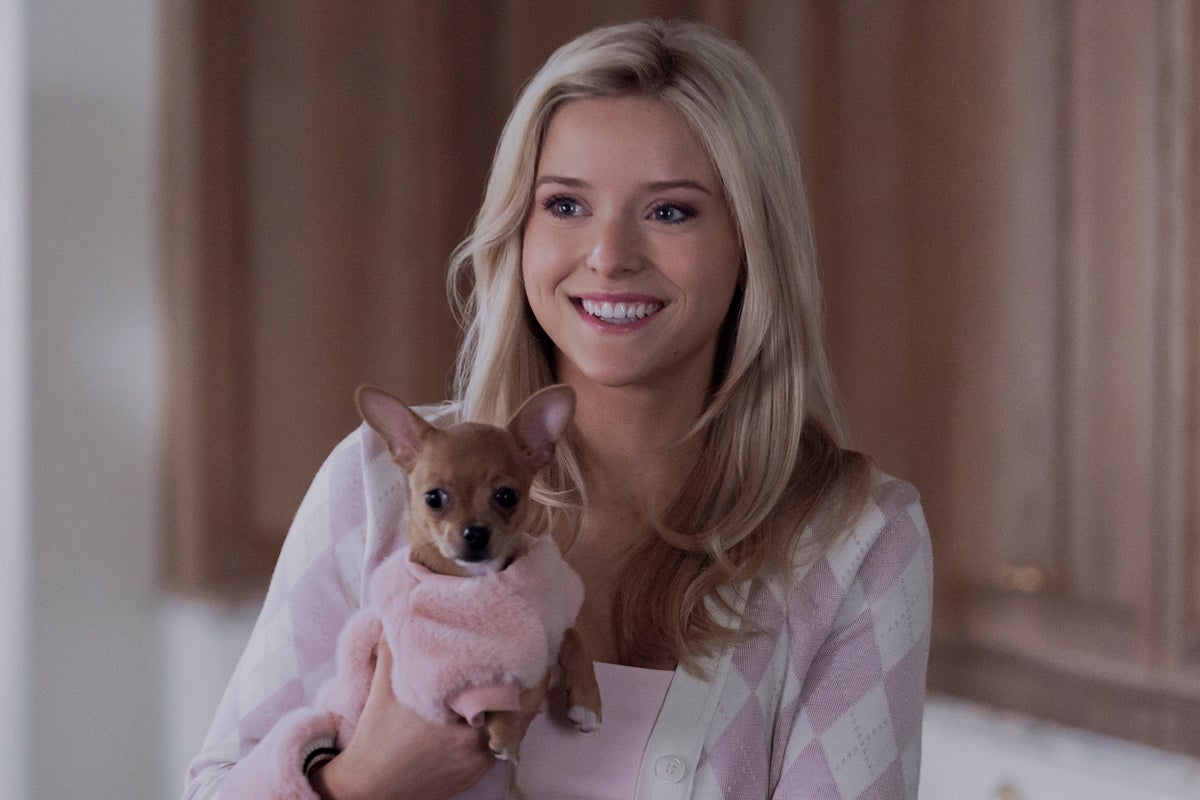
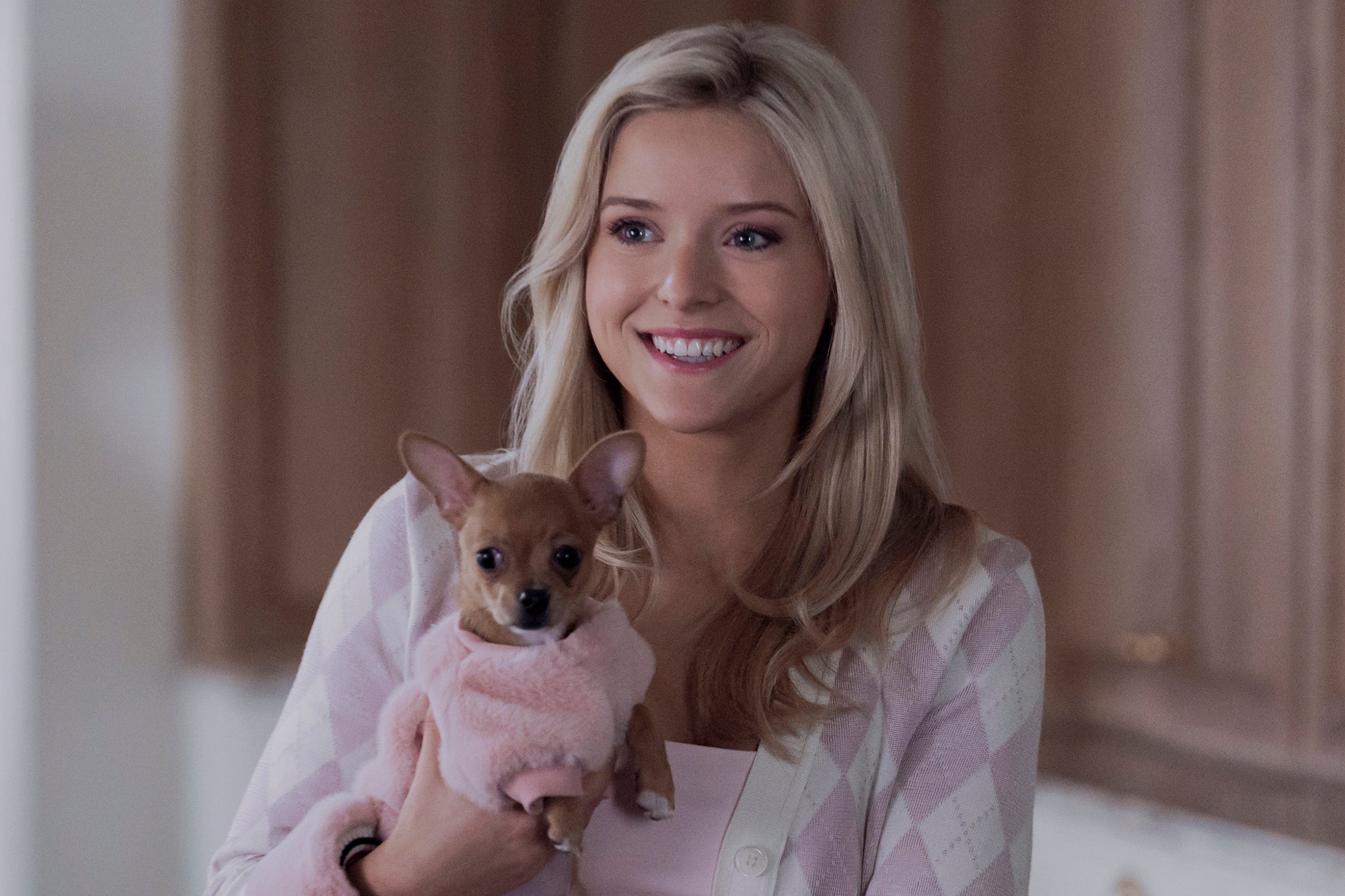
Because Elle’s journey in Legally Blonde felt like a complete story, Elle has to retrofit the character to experience much of the same personal development just a few years earlier. Set in 1995, it stars newcomer Lexi Minetree as a younger Elle, who is shipped off to suburban Seattle after her plastic surgeon father (Tom Everett Scott) performs a bad nose job on an unnamed celebrity and has to flee Beverly Hills. The show positions Elle in exactly the same fish-out-of-water scenario as the movie, as she navigates a strange new environment divorced from the moneyed glitz to which she’s grown accustomed. Presumably Elle will experience a sociopolitical lobotomy at some point in the show’s second season to explain why she rocked up to Harvard so unaware of the world despite her Seattle exploits, because it sure isn’t explained by the end of these eight episodes.
Minetree is a fine Elle, but feels hemmed in by the Reese Witherspoon impression she’s presumably been told to do – she walks like her, speaks like her, does the same nasal, high-pitched cry when she’s confronted with bad news. And while she has crack comic timing, she’s not asked to use it as much as you might think. Elle is barely a comedy, and once it gets into the weeds of its premise it becomes an unusually sluggish teen drama – there are love triangles, mean teens, and low-stakes scandals involving the staff at Elle’s new school.
 open image in gallery
Missing is the sheer sharpness of the movie, which afforded its stacked supporting cast (among them Jennifer Coolidge, Linda Cardellini, Holland Taylor and even Raquel Welch) the fizzy dialogue and memorable comic set pieces that Elle barely bothers with. In just 90 minutes an entire world was formed, from Elle’s two endearingly vapid yet scene-stealing besties Margot and Serena (who aren’t replicated here), to the abundance of Harvard nerds Elle tussled with (remember future Longlegs director Osgood Perkins as the goofy David Kidney, or the frizzy-haired feminist who marched for lesbians against drunk driving?). Here, Elle is saddled with two drab love interests – a British classmate and a generic bland jock – and an inexplicably nasty rival who worships at the altar of riot grrls like Bikini Kill but for some reason treats other women horribly.
It’s just very, very 2026 – a photocopied version of something beloved from 25 years ago, stacked with callbacks and pointless origin stories (ever curious how Elle got her pet chihuahua Bruiser? Well, here’s your answer), but given the aura of something essential because it’s executive produced by the star of the original. Perhaps I’m simply too old for this. But I’m convinced the young people of today expect and deserve more from their entertainment than warmed-over revivals missing all of the pep, colour and dazzle of their predecessors. That’s not meeting the audience where they are. It’s serving them slop and expecting them to be grateful.
‘Elle’ streams on Prime Video from 1 July