


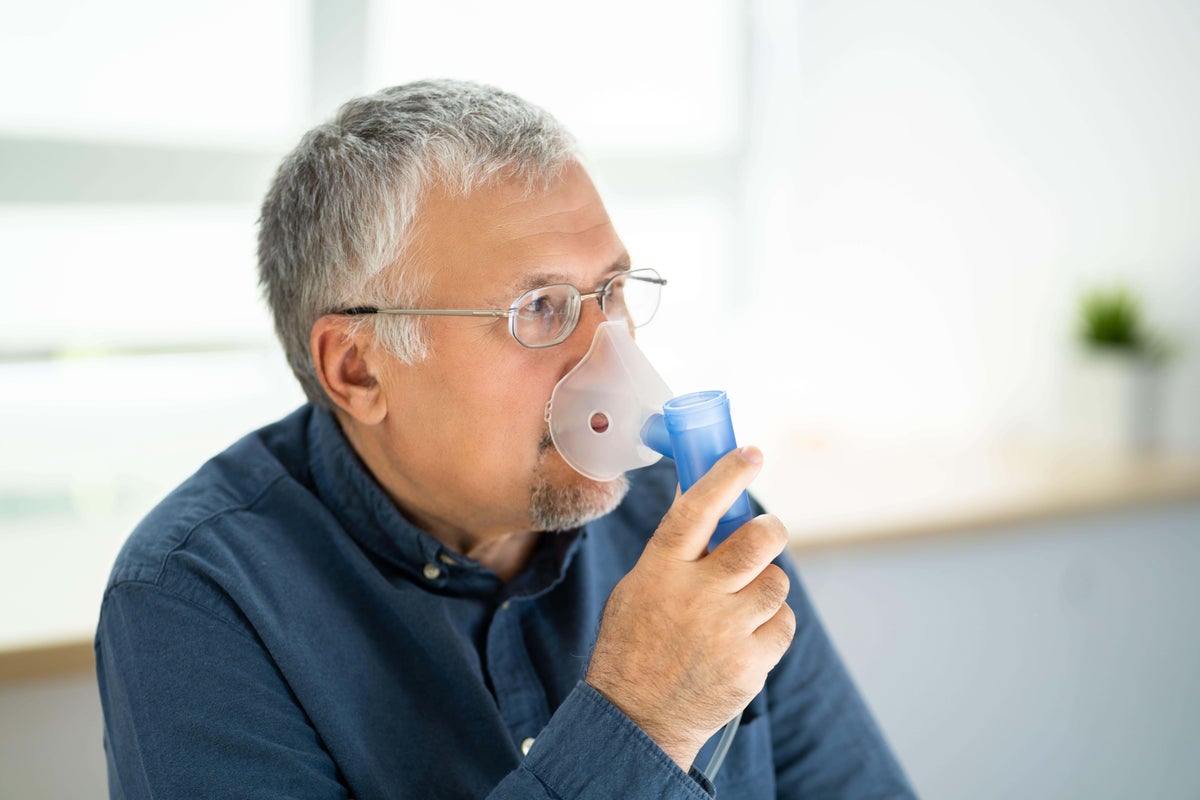
Incorporating laughter therapy into treatment plans could help ease respiratory difficulties in patients suffering from a widespread lung condition, new research indicates.
Scientists behind the study suggest that the “simple, low-cost” intervention performs on par with conventional breathing drills and may work to “complement existing care” for individuals living with chronic obstructive pulmonary disease (COPD).
In the UK alone, an estimated 1.7 million people suffer from COPD, including roughly 600,000 who remain undiagnosed.
The clinical trial evaluated 63 patients diagnosed with COPD who were receiving care at Ankara Bilkent City Hospital in Turkey.
Researchers assigned a third of the group to laughter therapy sessions, while the remaining participants were guided through pursed-lip breathing routines or received no specialised exercises.
 open image in gallery
After being shown how to perform the techniques, patients were asked to complete 30-minute sessions three times weekly over an eight-week duration.
Respiratory function was evaluated before, during, and after the intervention.
Results demonstrated that both laughter therapy and pursed-lip breathing achieved measurable improvements compared to the group receiving no intervention.
Dr Goncagul Aldan, a lecturer and nurse at Hacettepe University Faculty of Nursing in Ankara, said: “People with COPD often feel breathless, even during simple daily activities. This reduces their quality of life and makes them increasingly dependent on others for care.
“Managing COPD requires more than medication alone. Patients need a holistic, approach to help them cope with their symptoms, the physical burden of the disease, and its emotional and psychological impact.
“With this research, we wanted to explore whether additional simple, low-cost techniques could complement existing care.
“Laughter therapy had already shown promising results in a number of other chronic conditions. Its accessible, enjoyable nature suggests it could equally benefit COPD patients, not only in coping with the daily stress of living with a chronic illness, but also in directly supporting their respiratory health.”
Symptoms of COPD
NHS
The main symptoms of COPD are:
- shortness of breath, particularly when you’re active
- a persistent chesty cough with phlegm – some people may dismiss this as just a “smoker’s cough”
- frequent chest infections
- persistent wheezing
The positive impacts of both interventions persisted a month after the programme concluded, Dr Aldan noted.
She said: “These findings offer hope that simple, low-cost techniques which patients can practice at home – without any equipment or specialist support – may reduce breathlessness and improve daily wellbeing.
“Both interventions also showed promising results in improving overall health, suggesting that laughter therapy may be a worthwhile area for further investigation alongside pursed-lip breathing in COPD care.
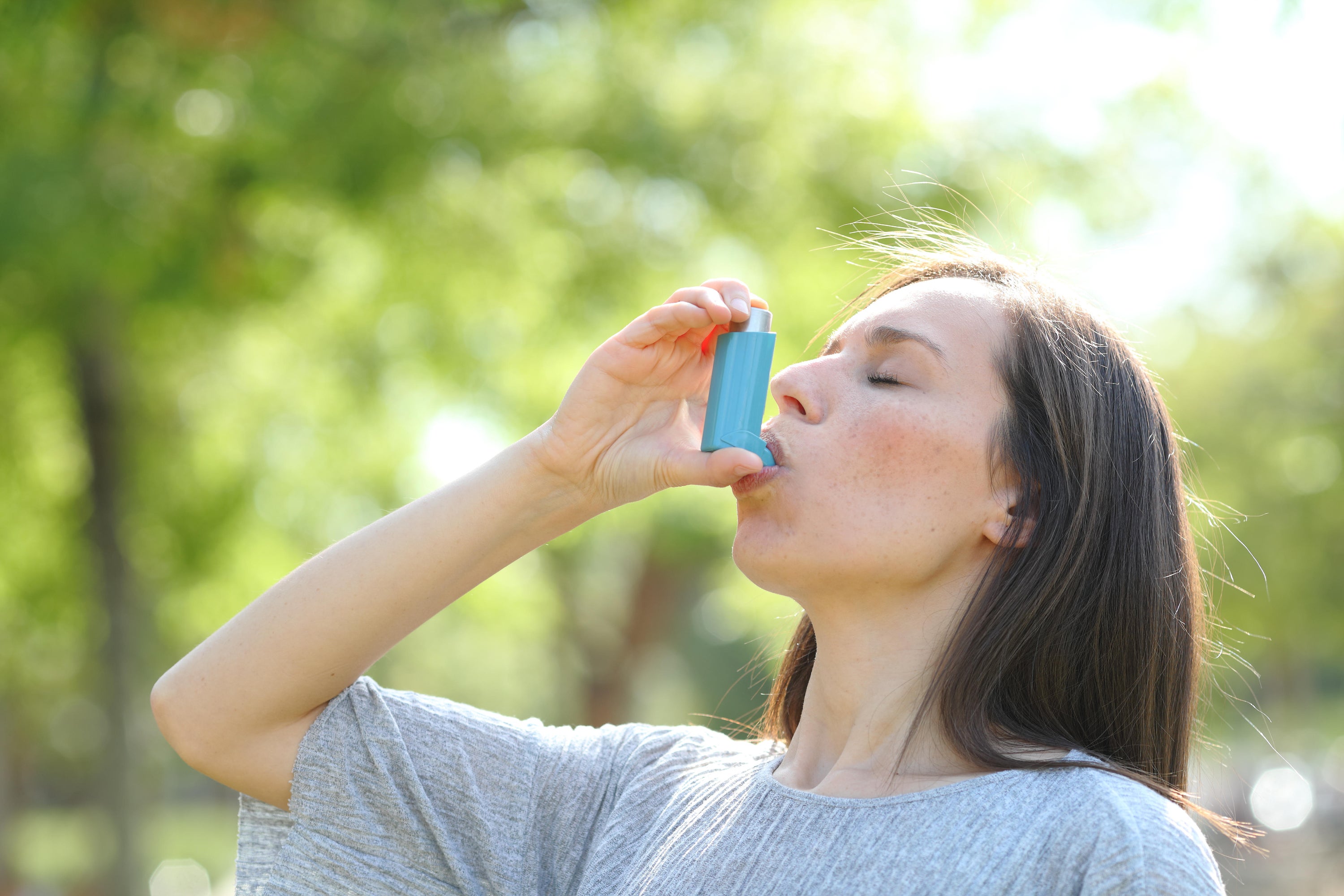
“In COPD, the airways tend to collapse during exhalation, trapping stale air inside the lungs.
“Pursed-lip breathing creates a gentle back pressure that allows this trapped air to escape, slows the breathing rate, and helps patients feel more in control of their breathing.
 open image in gallery
“Laughter may exercise the breathing muscles, promote deeper exhalation, and trigger the release of endorphins, offering both physical and emotional relief.”
Further studies remain necessary to understand why laughter influences COPD symptoms.
Dr Aldan added: “Laughter therapy aims to evoke the effects of genuine laughter in the body. However, the mechanisms behind laughter therapy in COPD remain poorly understood, and more comprehensive research is needed.”
The trial’s findings will be presented at the European Respiratory Society (ERS) Congress in Barcelona.
Emma Rubach, head of health advice at Asthma + Lung UK, said: “This exciting study shows that laughter therapy is an effective way to control breathlessness for people with COPD.
“This research adds to growing evidence showing that innovative non-traditional therapies can improve people’s ability to manage lung conditions like COPD.
“While further studies with a larger number of patients are still needed, laughter therapy appears to be a fun, accessible and effective self-management technique to help people with COPD control their symptoms.
“While there is still no cure for COPD, which often leaves people fighting for breath, innovations like laughter therapy have real potential to provide genuine relief and improve the quality of life for the 1.7 million people in the UK who have the condition.”