


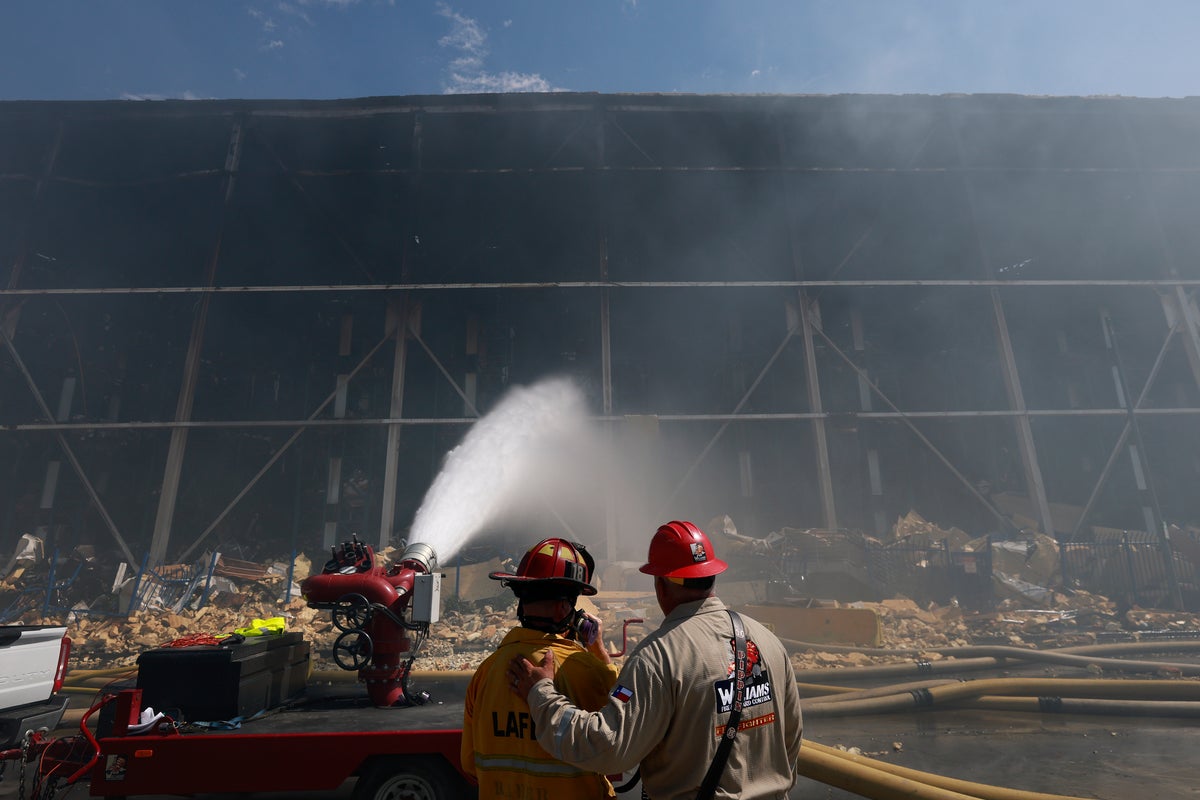
Pollution from a recent warehouse fire in Los Angeles surpassed some of the worst air contamination during the county’s wildfires in January 2025.
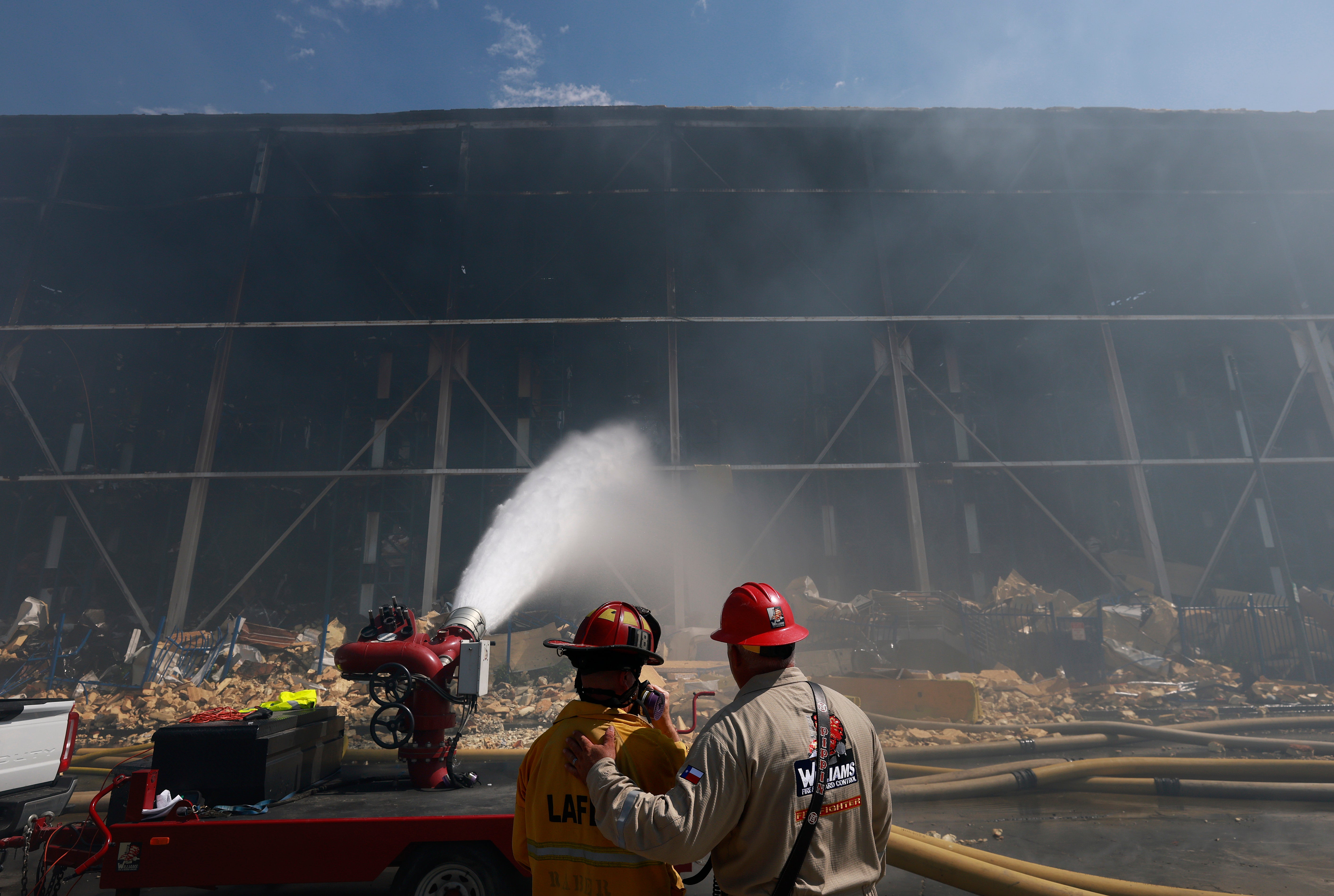
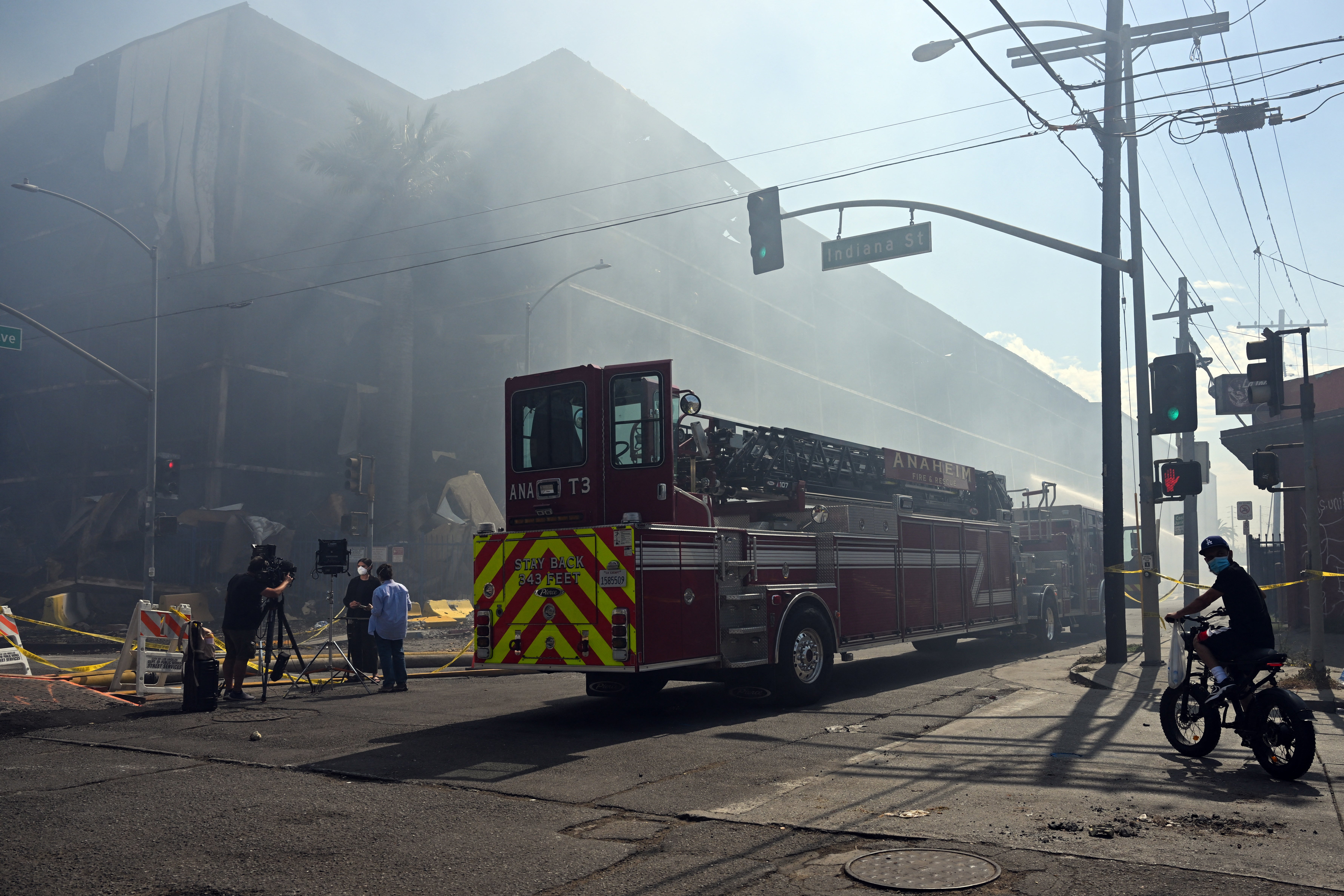
The blaze, which began at a frozen food warehouse in Boyle Heights on June 17, was finally put out on June 24.
In the space of an hour on June 19, a temporary air quality monitoring station recorded 755 micrograms per cubic meter of fine particles, according to data from the South Coast Air Quality Management District reported by the LA Times and seen by The Independent.
The device was located at Eastman Avenue Elementary in East Los Angeles.
By comparison, during the 2025 Eaton fire, a Caltech air monitor in Pasadena measured around 650 micrograms data obtained by The Times states.
Last year, Eaton Fire Residents United, a grassroots advocacy group, said six out of 10 remediated properties in the area in which ash from the Eaton fire settled were uninhabitable due to lead or asbestos levels.
 open image in gallery
Fine particles known as PM2.5 measure 2.5 micrometers and smaller. According to the U.S. Environmental Protection Agency, particulate matter measuring less than 10 micrometers can penetrate the lungs.
Studies have linked exposure to the particles to nonfatal heart attacks, aggravated asthma, decreased lung function, increased respiratory symptoms and premature death in people with heart or lung disease, the agency says.
Data from the South Coast AQMD did not suggest that levels of toxic metals, including lead and arsenic, were elevated.
A spokesperson for the agency confirmed to The Times that increased levels of bromine, which is used in fire retardant, and chlorine, which can be released from burning plastic, had been recorded by a monitoring device near the fire. However, both were below thresholds for short-term health-based exposure.
In a statement on June 22, Lineage, the company that operates the warehouse in Boyle Heights, confirmed that the firm believes the fire started on the roof while the owner of a solar array was carrying out tests.
 open image in gallery
The hazardous material team at the Los Angeles Fire Department told The Times that low levels of hydrogen fluoride, a toxic chemical that can be released by burning solar panels and lithium-ion batteries, had been detected on the second day of the fire.
“We’ve already mitigated the hazardous materials portion by removing the ammonia and other chemicals that were used as refrigerants,” L.A. Fire Department Chief Jaime Moore told reporters on June 20.
However, Moore added that concerns had been raised about the decomposing food in the facility.
“The gas that emits, that’s the biohazard that we’re worried about,” he said.
Dr. Nichole Quick, the chief medical advisor for the Los Angeles County Department of Public Health, said to The Times that the odors from the decomposing food do not indicate dangerous levels of toxins, mold or bacteria.