


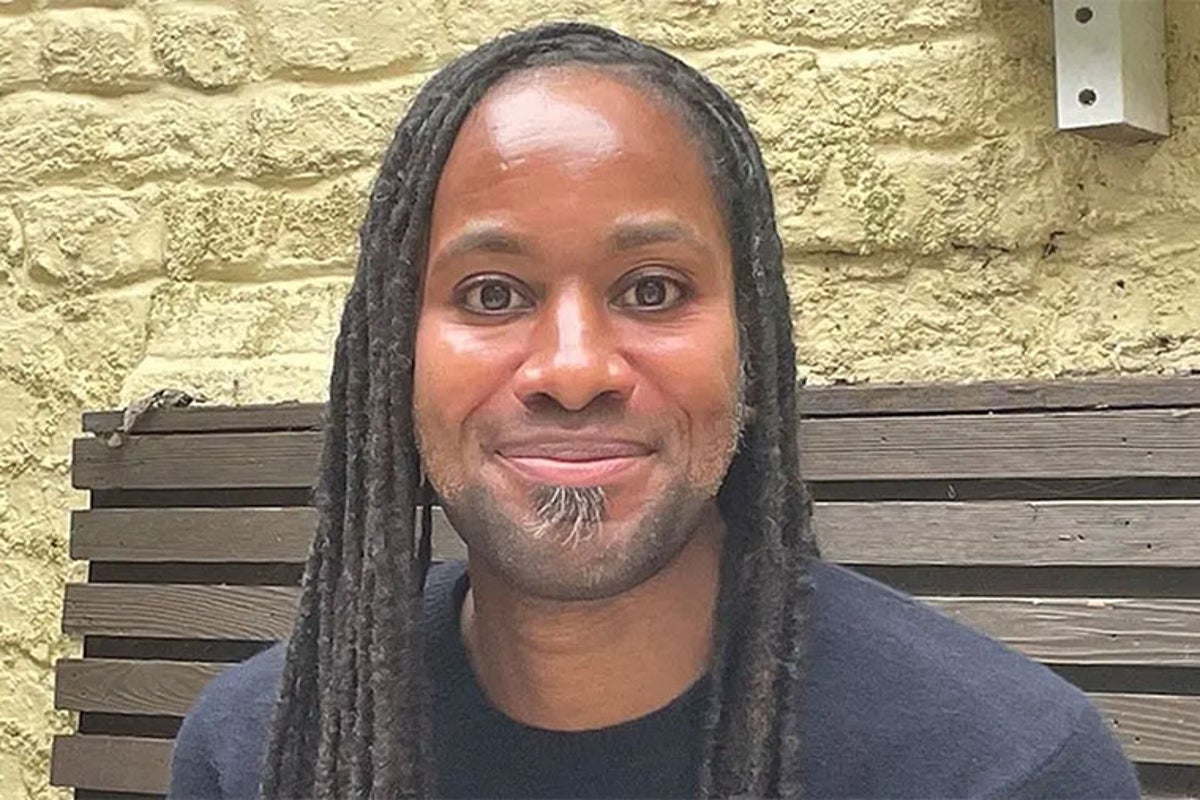
We should be reluctant to speculate on the specific cause of the death of Jason Arday, the University of Cambridge professor who resigned from his post 10 days ago. The Samaritans make the point that it is impossible to know the mind of the deceased and that “most of the time there is no single event or factor that leads someone to take their own life”.
That said, it is worth trying to assess the furore that surrounded Arday in the days before his death. And it is hard to avoid the conclusion that the criticism of him, much of which was combined with mockery and ideological point-scoring, was excessive and unfair.
As Alan Rusbridger notes in The Independent today, some people took an undignified pleasure in tearing Arday down. His case helped serve their argument that British universities had gone too far in pursuit of diversity and that academic standards had been lowered for the sake of inclusion.
Some of the earliest accusations of plagiarism against Arday were made by Nathan Cofnas, who was sacked by Emmanuel College, Cambridge, two years ago for writing that there would be “close to zero” Black professors at Harvard if they were appointed purely on intellectual merit.
Yet it quickly became clear that there were legitimate public interest questions to be asked about Arday’s work and his life story. These could have been asked in a way that was focused more on the standards of Cambridge University and its obligations to its students than on Arday himself.
Many of the plagiarism allegations remain disputed, but there does seem to have been an extraordinary failing on the part of several academic institutions over the years in checking Arday’s account of himself. If this was motivated by a desire to increase non-white representation in universities, it was counterproductive. It has given succour to racists, and may yet make life more difficult for other Black academics, many of whom already feel that they have to prove themselves two or three times over.
As Daniella Maison wrote in The Independent recently: “We are encouraged to climb, excel, and overcome every barrier, only to be treated as suspicious anomalies when we do.”
The University of Cambridge has serious questions to answer, then, including this: how well did it discharge its duty of care to a vulnerable individual it had appointed and whom it was now investigating?
It should have been obvious when he resigned his post that Arday was under pressure, and that however much he had contributed to his troubles, he deserved support rather than continued vilification. He had, for example, hired Carter Ruck, the celebrated libel lawyers, who initially succeeded in preventing the publication of critical articles about his work. But by the time of his resignation from his Cambridge post, that fight was over, and all that was left of his career were unanswerable questions. If he had been held to account earlier, and supported earlier, it seems at least some of his subsequent problems could have been prevented. He leaves behind a profound sense of shock and sadness.
The University of Cambridge has to answer for its hiring policies and for the support it provides to academics facing questions about the integrity of their work.
But several media organisations need to ask themselves hard questions about the volume, tone and fairness of the coverage devoted to what were initially legitimate questions but which grew into a terrible, inhuman firestorm.
If you are experiencing feelings of distress, or are struggling to cope, you can speak to the Samaritans, in confidence, on 116 123 (UK and ROI), email jo@samaritans.org, or visit the Samaritans website to find details of your nearest branch