


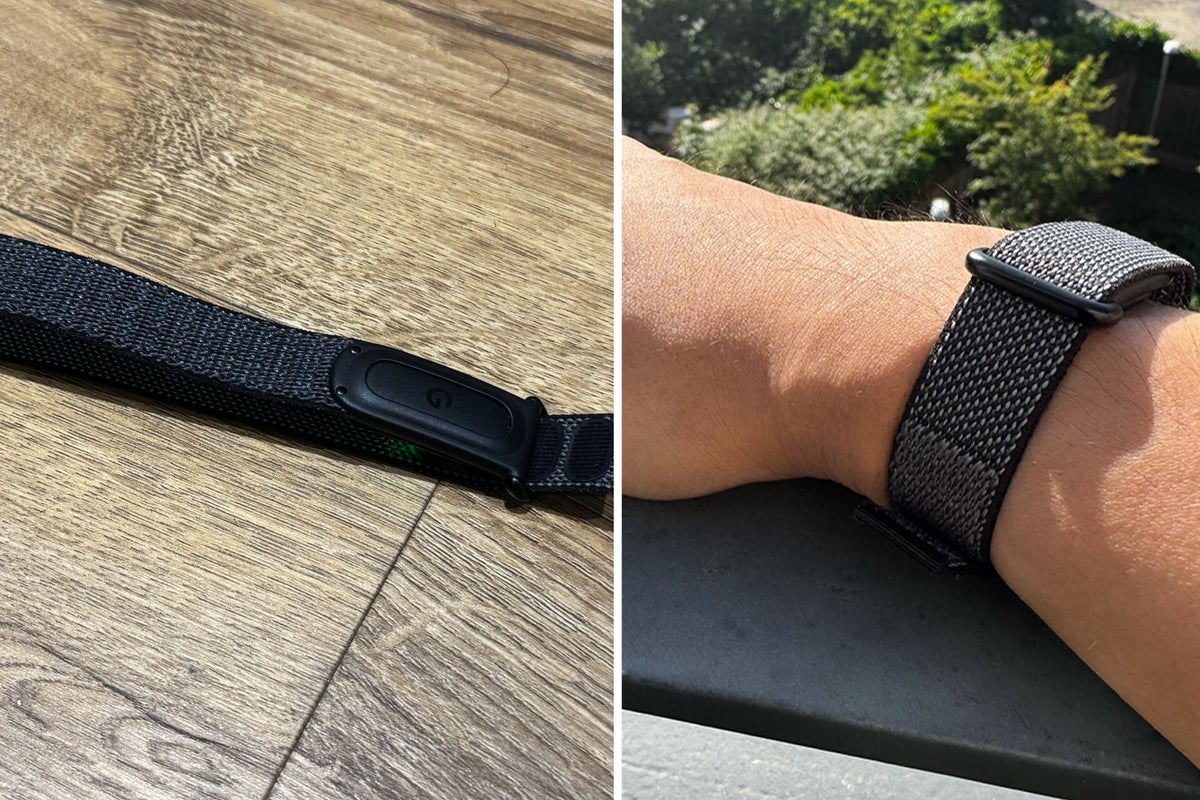
Like many inducted into the CrossFit cult, I’ve been a Whoop devotee for years. I mean, with no competition from any major tech brand offering a similar screen-free fitness tracker that puts recovery front and centre, why look anywhere else?
But this year, that all begins to change. Google has just launched the Fitbit Air – an £85 screenless fitness tracker that costs a fraction of a Whoop, doesn’t require a subscription to work and similarly focuses on passive, round-the-clock health tracking.
For almost two weeks, I’ve had the Fitbit Air glued to one arm and the Whoop 5.0 on the other. I’ve tracked everything from sleep and fitness to recovery metrics such as heart rate variability, respiratory rate and more. But it’s not just the Fitbit Air that could finally give Whoop some long-overdue competition. The completely revamped Fitbit companion app might be the biggest gamechanger.
Now rebranded Google Health, Fitbit’s new platform is powered by an ultra-intelligent AI coach that adapts to your metrics, routines and, basically, anything you tell it, creating a hyper-personalised experience that I’ve not seen elsewhere.
With Google launching the Fitbit Air and Garmin expected to unveil the Garmin Cirqa in the coming weeks, Whoop has officially been put on notice. I’ve tested the wearable while battling severe jetlag in Japan, going running and attending functional fitness sessions. I’ve scrutinised everything from recovery scores to nutrition and heart health metrics. Can the Fitbit Air compete with the Whoop? I’ve found out.
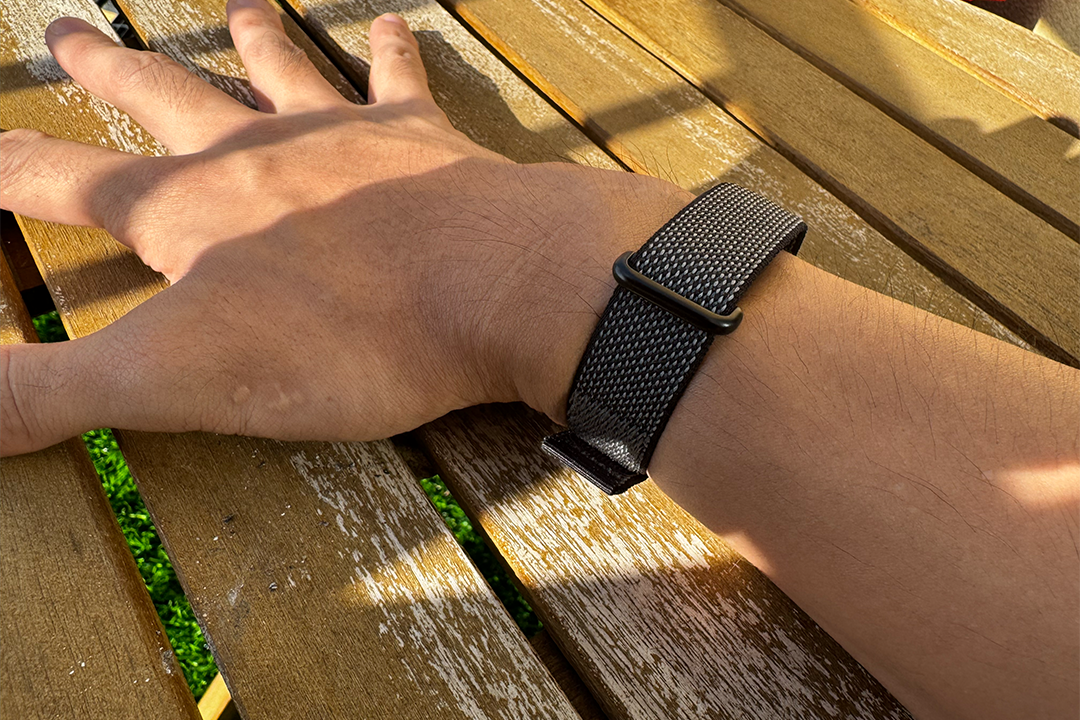
Read more: Fitbit Air vs Whoop: Can Google’s tracker compete with the best?