


‘It’s archaic’: the struggle to heat poorly insulated homes let by royal estates
A number of idyllic-looking homes in estates owned by King Charles and Prince William do not meet energy standards for rentals
Royal estates rent out homes that fail to meet legal energy efficiency standards
This summer, the duchy of Cornwall got a new-look website with a bold statement of intent at the top: “We’re on a mission to become a world-leading impact organisation.”
Updating the website will have been the easiest part of that mission. Upgrading hundreds of ageing, mostly rural, rented cottages, farmhouses and country houses will be one of the hardest.
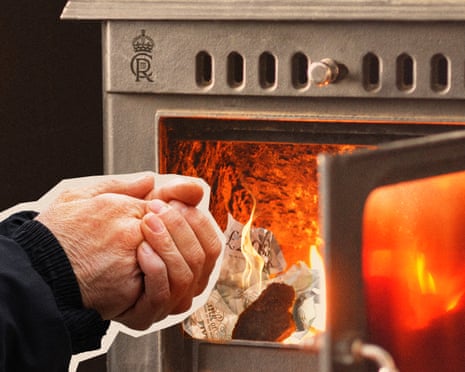
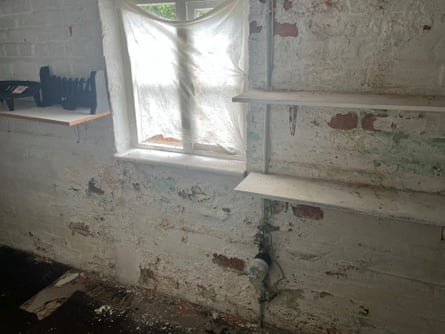
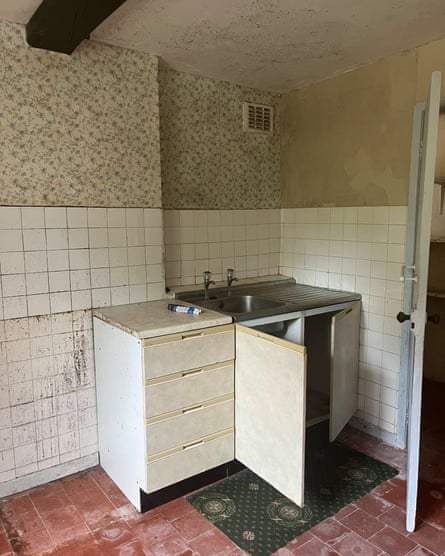
For many tenants, it will be long overdue. One, who is in failing health and struggling to heat a mostly uninsulated home where the only source of warmth is coal-fired stoves, said: “This place is not up to the standards of the 20th century, let alone the 21st. It’s archaic. It needs to be upgraded but I don’t think they want to spend the money.”
There is money. Established in 1337 to provide an income to male heirs to the throne, the duchy of Cornwall is unburdened by many of the taxes faced by other landlords, such as corporation tax, capital gains tax and inheritance tax. It enjoys profit margins of about 60% and pays out more than £20m a year to the monarch’s eldest son.
Changes are afoot: the duchy announced earlier this year that it would be selling off 20% of the estate over the next decade and investing £500m in local communities, housing and environmental projects.
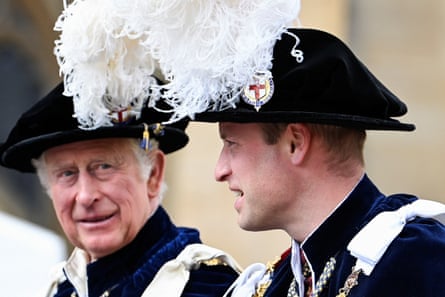
Prince William, four years into his tenure as the 25th duke of Cornwall, has promised to transform his inheritance: “There is so much good we can do. I’m trying to make sure I’m prioritising stuff that’s going to make people’s lives, living in those areas, better.”
However, the same tenant is not convinced he will benefit. “I’m sure this is one of the properties that he will sell and I don’t know what will happen to me after that,” he said. “Will they have to find somewhere else for me or will I just be turfed out?”
It is the dilemma facing many duchy tenants, most of whom are reluctant to speak out, in parts of the country where the housing crisis is being keenly felt.
Many properties in these areas – including those owned by the duchies – have been turned into holiday lets. Combined with an abundance of second homes, there are few other rental properties available for tenants.
At first glance, some of the duchy cottages look idyllic. But many were built cheaply, over the centuries, for the agricultural working poor. The older ones are stone, the relatively newer ones typically a single skin of brick. They are often clustered around farms, but some are the towns and villages dotted throughout the duchy’s heartlands in Cornwall, the Isles of Scilly and Dartmoor.
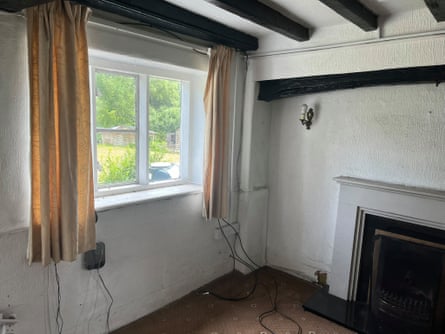
Time and again the same complaints surface – the duchy doesn’t like to spend money, repairs take an age, friends are envious, but the homes are cold, winters hard.
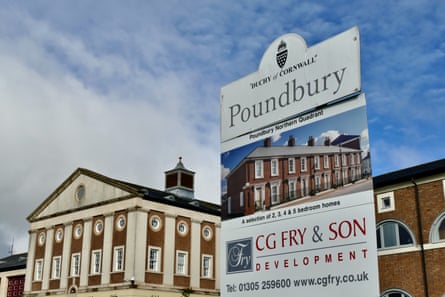
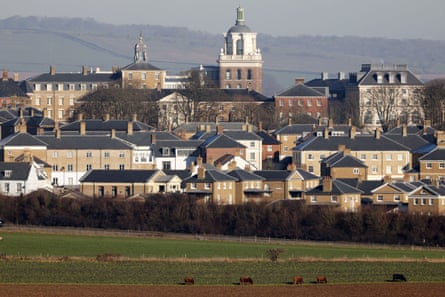
They are not the kind of properties that make it into the duchy’s glossy annual reports, which under William have been renamed “impact reports”. The homes that feature tend to be the newer-built developments at Poundbury in Dorset and Nansledan in Cornwall.
Commercial investments now make up over half of the duchy’s income, but the homes it owns will only become a bigger headache as standards for rental properties are raised.
In response to the Guardian’s investigation, the duchy of Cornwall said it had a “unique portfolio, including many historic buildings located in isolated rural and island locations.”
“Whilst this confers a special character, it also brings some unique challenges which we have started to address systematically through our retrofit programme,” a spokesperson said.
“We recognise that these challenges mean work does not always happen as fast as we would like, but we will continue to work closely with our tenants to identify effective and practical energy-efficiency improvements as quickly as possible.”
On top of the previously announced £500m investment over the next decade, the duchy of Cornwall told the Guardian that “an additional £50m is planned for improving the condition and efficiency of our existing properties”.
The duchy added that it had spent £11m on home improvements since 2022, and in the past year had delivered 150 “modern, energy-efficient homes, all of which are EPC A or B”.
However, in response to follow-up questions from the Guardian, it confirmed that only six of the new properties were duchy private rents, with most having been sold.
Similar problems face the duchy of Lancaster, established a century later and which covers 18,000 hectares (44,000 acres), stretching from northern England down to Northamptonshire and into parts of London.
The king inherited this duchy on Queen Elizabeth II’s death in 2022, along with the smaller and more recent Sandringham estate, acquired by the royal family in the 19th century. Sandringham does not publish its accounts.
The duchy of Lancaster said it placed great importance on “being a responsible landlord”. “Any tenant with concerns is encouraged to contact us directly and can be assured we will address these issues promptly and constructively,” a spokesperson added.
“Over the last year, the duchy of Lancaster has invested more than £3m in residential property repairs and upgrades as part of our ongoing commitment to provide well-maintained homes compliant with all legislation.
“Whilst improving the energy efficiency of some historic buildings is challenging, we continue to work to improve their EPC ratings.”
A spokesperson said Sandringham “has a mixture of property and tenancy types, which are fully compliant with MEES regulations”.
“We continue to invest significantly in an ongoing programme of maintenance and improvement works on all properties, including those out of scope of the regulations, to upgrade energy efficiency across the estate,” they added.
“While we do not comment on individual cases, these regulations do not apply to every property on the estate and exemptions are necessary on a small number of properties.”
The three estates, collectively worth well over £2bn, are among the nation’s biggest and highest-profile landlords, with more than 1,000 rental homes between them.
Elizabeth Earle, a knowledge lawyer at Farrer & Co, which acts for the duchies of Cornwall and Lancaster, recently wrote about changes in legislation that “may feel unduly hard on owners of older, rural and often energy-inefficient properties”.
Earle was not talking of the royals, but said: “The irony is that, while these are precisely the sort of properties in which people dream of living, it is becoming increasingly hard to let them – and nigh-on impossible to make them comply with modern standards.”
A duchy of Cornwall spokesperson said it was unable to confirm the accuracy of our findings because the Guardian did not provide the estate with a list of properties we had inspected. Such details were not provided in order to protect the tenants who spoke to us on condition of anonymity.
Explore more on these topics
- Housing
- Monarchy
- King Charles III
- Prince William
- Duchy of Cornwall
- Duchy of Lancaster
- Energy efficiency
- features