



It was shortly after 1pm on Tuesday afternoon when it first emerged something had gone badly wrong.
As airport passengers began seeing flights delayed on departure boards at Heathrow and Gatwick, National Air Traffic Services (Nats), the UK’s air traffic control provider, issued an alert over a “technical issue” causing disruption.
An hour and a half later, amid heightened chaos that had spread to other major airports across the country, the public-private partnership body sent out an update, explaining that the issue in “our flight processing system” had been identified. Some 75 minutes later it said had been fixed and systems were recovering – but with a warning that the disruption could last days.
Such a recovery took longer than hoped, conceded Nats in a further statement at 7.30pm, as the increasingly under-fire body offered an unreserved apology to the growing thousands of passengers stranded at airports, including Bristol, Birmingham and Manchester.
To the hardened airline traveller, it brought, perhaps, a sense of déjà vu.
Back in July last year, hundreds of flights from UK airports were impacted after Nats reported a radar-related failure.
 open image in gallery
And two years previously, during the August 2023 bank holiday, a much more serious incident occurred when there was an outage of the flight plan processing system, a tool used to present flight routes to air traffic controllers.
The failure and subsequent days of disruption resulted in almost 1,600 cancelled flights, impacting 700.000 passengers and costing the industry almost £100m.
In its own investigation into the 2023 incident, Nats uncovered slow-to-start desktop PCs and a lack of workstations available for teams during the recovery period.
More worryingly, on system documentation, it found that the complexity of its “system architecture”, and the regular changes and upgrades being made, made “any attempt to maintain up-to-date overall system mapping becoming effectively impossible”.
It followed another investigation report on faults with air traffic control services in December 2014, impacting 65,000 passengers, that described Nats’ operational system technology at Swanwick, near Southampton, as “naturally dated” and requiring more “hands on” involvement than modern systems to address amendments. Although the process was deemed “appropriate and well executed” by investigators.
Nats, which has said it invested £3.3bn in infrastructure and technology since 2001, has insisted Tuesday’s system failure “was not the same” as the 2023 incident.
 open image in gallery
However, aviation experts have told The Independent they are concerned over its a lack of investment in air traffic control systems, and warned this week’s incident is not simply a blip.
Warnings issued three years ago
After the system fault in 2023, investigators were called in to find the root of the problem. What they found was that the flight plan processing system had entered maintenance mode, and then became stuck in it, due to a duplicate “waypoint” code connected to a single flight.
Six hours after being detected, the issue was finally resolved.
In assessing the fault and response, Nats said the circumstance leading to the issue was “extremely rare” and it had been impractical to test every single scenario “within complex systems”.
On documentation for its numerous systems, it reported: “The complexity of the system architecture across Nats – and its regular changes and upgrades – results in any attempt to maintain up-to-date overall system mapping becoming effectively impossible.”
Such an issue was put down as a minor finding, but when an independent panel reviewed the investigation, it raised it to a “major finding” and recommended Nats review its level of strategic oversight – action which was completed according to a fresh report in December last year.
 open image in gallery
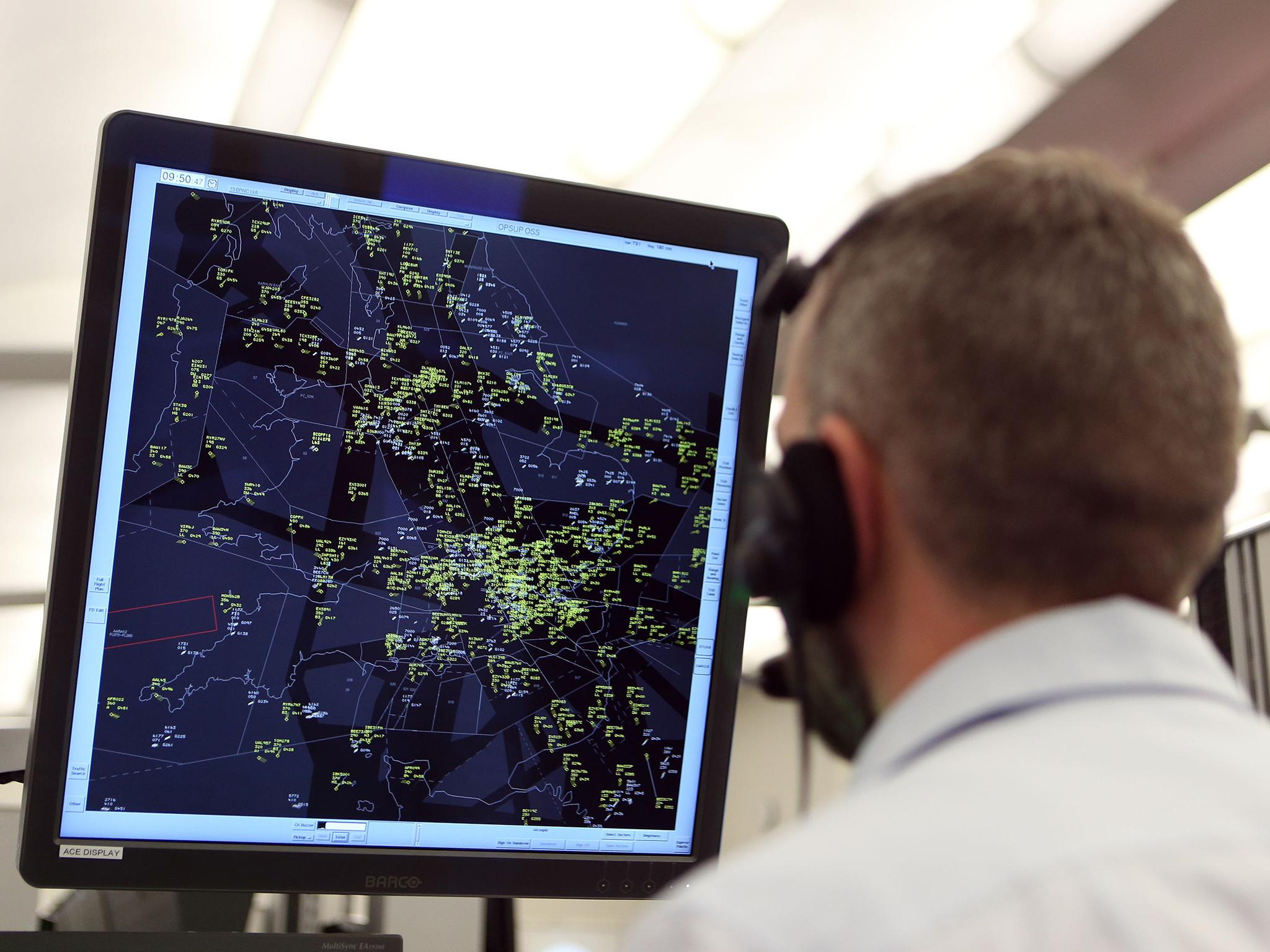
The independent panel also questioned the design of primary and back-up automated processing systems which, despite having separate power supply and data feed, both ran on the same hardware, meaning an error in software could result in common failure.
Nats said it was constrained with deploying a more sophisticated set-up due to costs, according to the panel’s report. A recommendation to review its policy for the diversity of software was completed.
Further issues raised in Nats own investigation included a lack of workstations for people involved in the recovery, and a tatical operational management system being reportedly slow.
The report said: “These constraints limited the team’s ability to redirect and answer customers, as well as their ability to manage a collaborative and phased recovery”.
Also, computers in Nats air traffic incident communication and coordination cell were not immediately ready for use following the incident due to updates being installed, which was a problem that occured in the past, the report said.
Operational systems are continuously maintained, says Nats
Asked about the operational system at Swanwick being “naturally dated” in 2015, a spokesperson for Nats told The Independent the systems at the site had “evolved considerably” since then.
They said: “Operational systems are continuously maintained, updated and assured throughout their lifecycle. Since Nats became a public-private partnership in 2001, we have invested £3.3 billion in infrastructure and technology upgrades.”
Asked about implementing new technology to support teams, the spokesperson said Nats had fully addressed and delivered on all recommendations from the 2023 report.
And asked about Tuesday’s incident, and if it was related to the flight plan processing system, where the fault lay for the 2023 meltdown, the spokesperson said: “This was not in any way related. We will conduct a full investigation to establish the root cause and identify any further actions required.”
Fears of future incidents
Following this week’s system failure, some aviation experts have voiced concerns over underinvestment by Nats in its air traffic control systems, and that current levels of infrastructure could lead to further system break-downs.
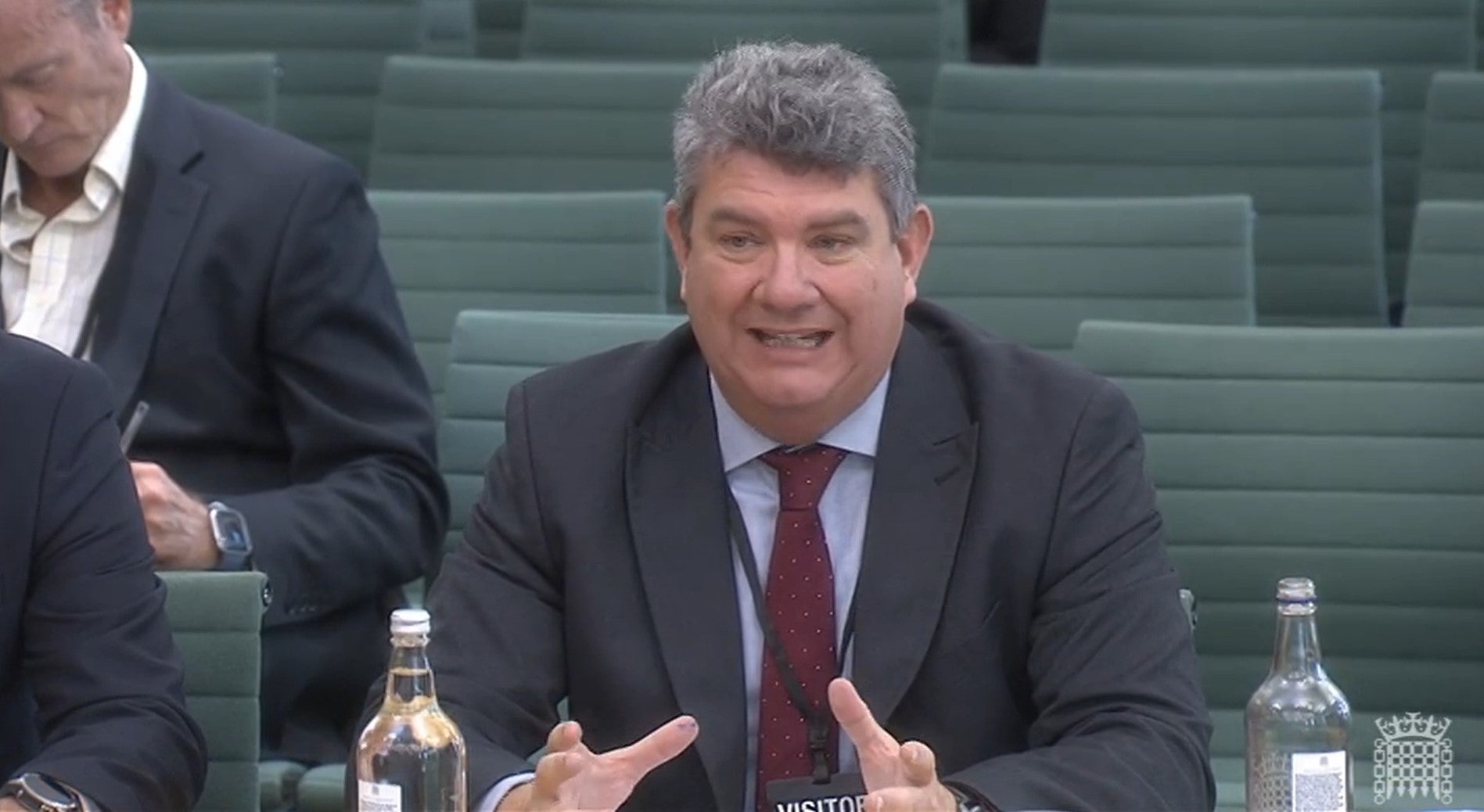
Aviation consultant Philip Butterworth-Hayes told The Independent: “The number of glitches will only increase with this creaky old system we are using against the the rising number of flights it is dealing with.”
He said Nats needed to invest in developing and joining a European ATM Master Plan, which aims to create a single cloud-based service for air traffic control across Europe.
Paul Charles, former director of Virgin Atlantic and now CEO of travel PR firm The PC Agency, also said master plan would be a positive way forward.
He said: “Integrating systems and having a master system, I think is the answer, especially as flying becomes more complex because of the volume of traffic. It would make sense, but it’s a huge cost.”
He added: “There’s a theme here that is underinvestment. The systems have been underinvested in relative to the enormous growth in air traffic. It is unacceptable for a critical piece of UK national infrastructure to fall over so significantly three times within four years.”
The Nats spokesperson said: “We are actively involved in the development of the European ATM Master Plan through our participation in The Single European Sky ATM Research 3 Joint Undertaking and have helped shape the latest version.
“The master plan is an important reference document for ATM modernisation across Europe and aligns closely with many of the objectives of the UK’s Airspace Modernisation Strategy.”