


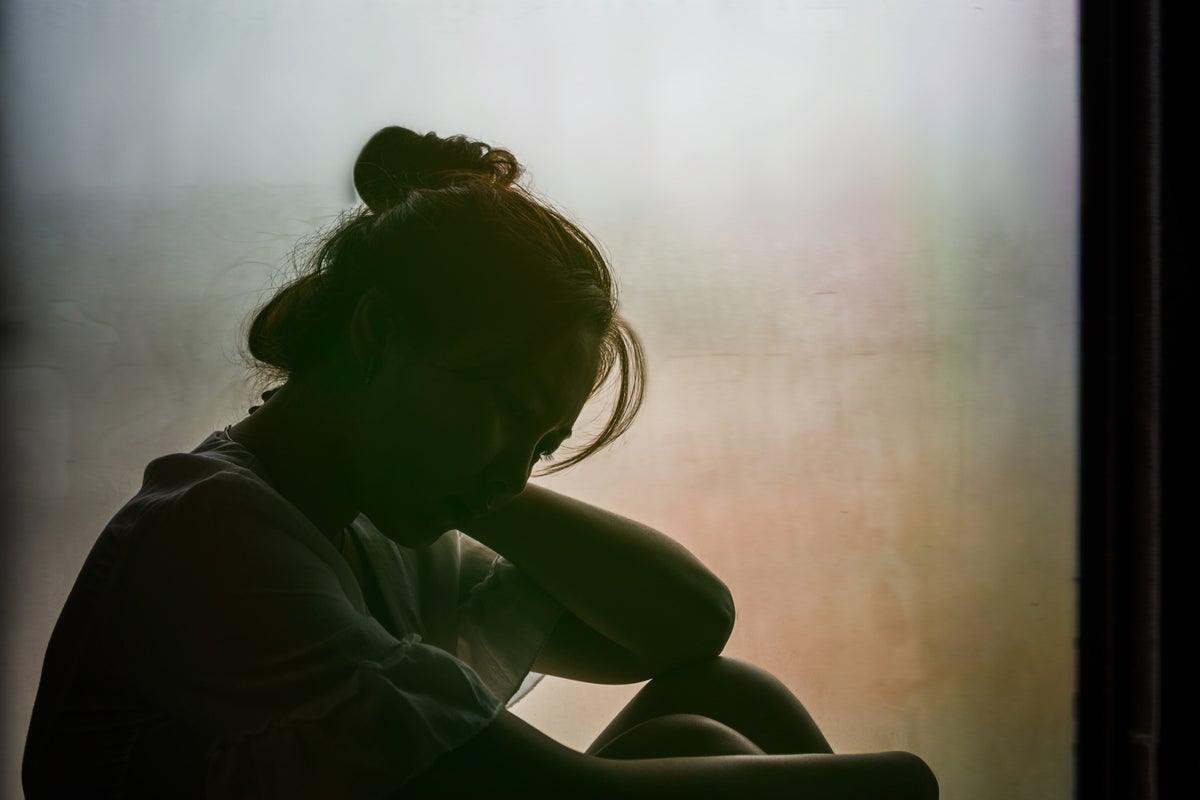
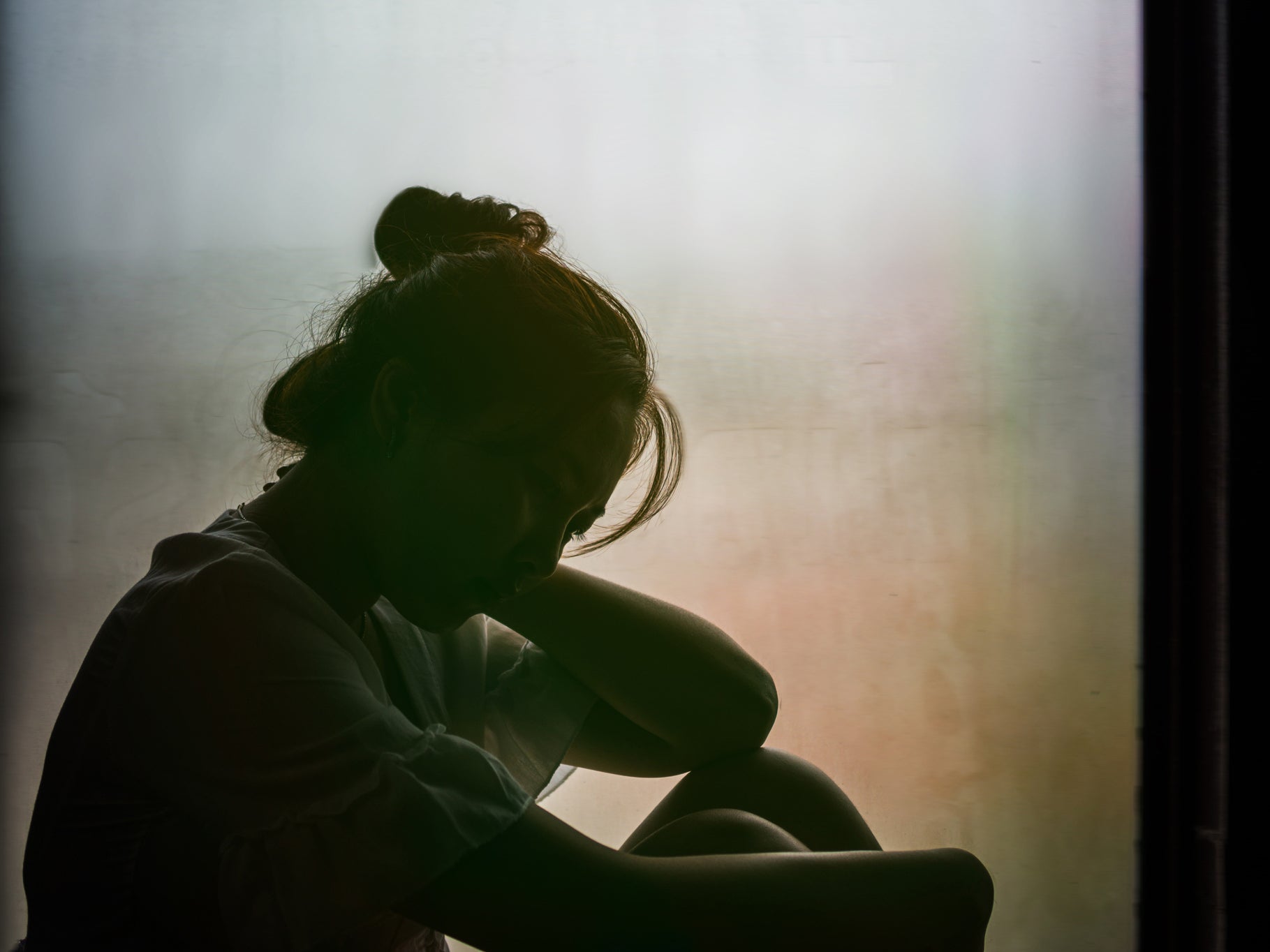
Sofia* returned to her family home one evening to find her suitcase packed and her mother and father telling her she needed to leave.
Her deeply religious parents had just discovered she was transgender after going through her belongings and finding the makeup and feminine clothing she had kept hidden away in her wardrobe.
They told their daughter that she was a danger to her siblings and Sofia, then 24 and unemployed, was forced out onto the street the next morning, filled with “dread” and “anxiety” about what was to come.
“I genuinely didn’t know what I was going to do or how I was going to find a place to stay,” she told The Independent.
She headed to Manchester and spent the next few months jumping between hostels before her money eventually ran out.
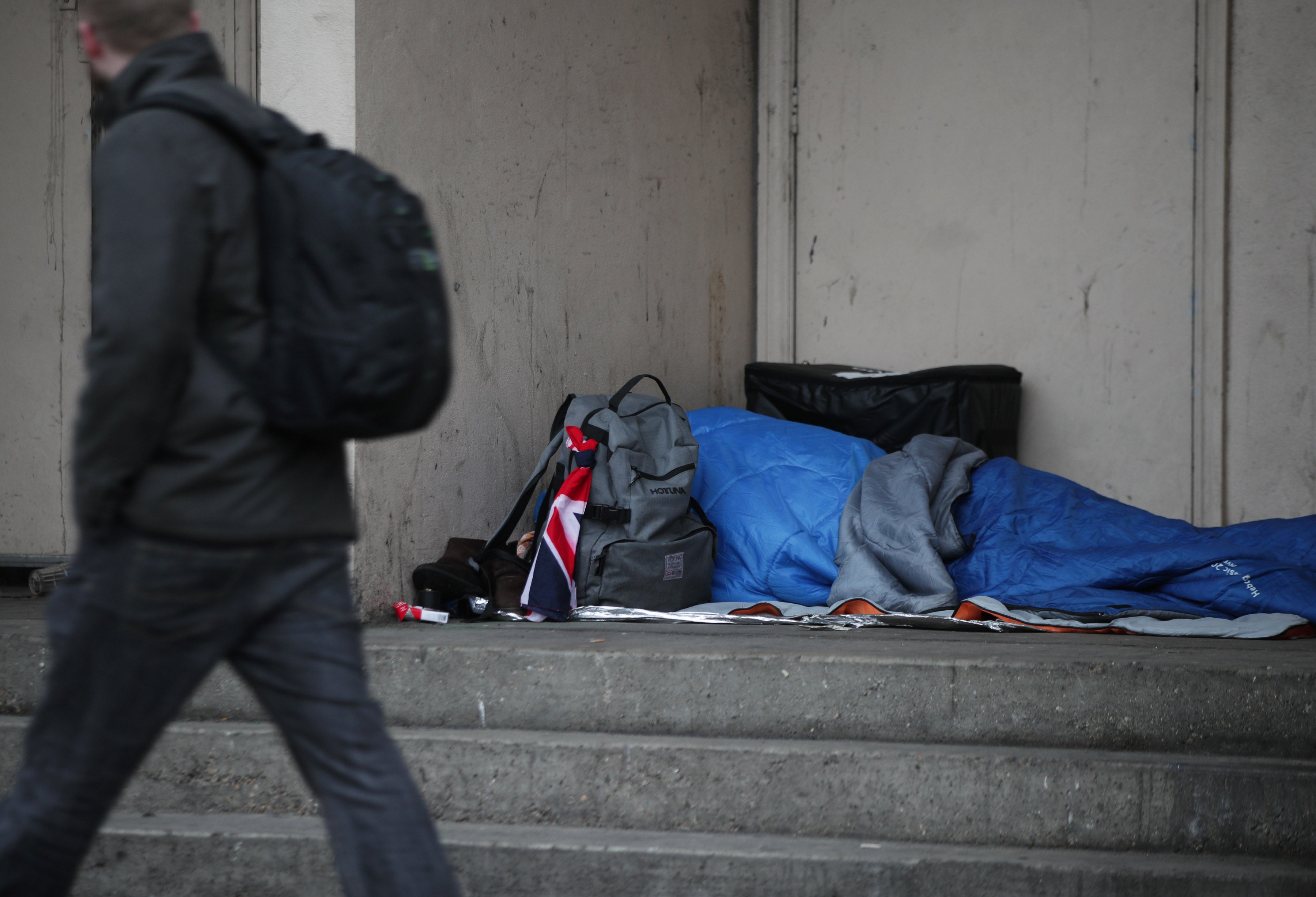
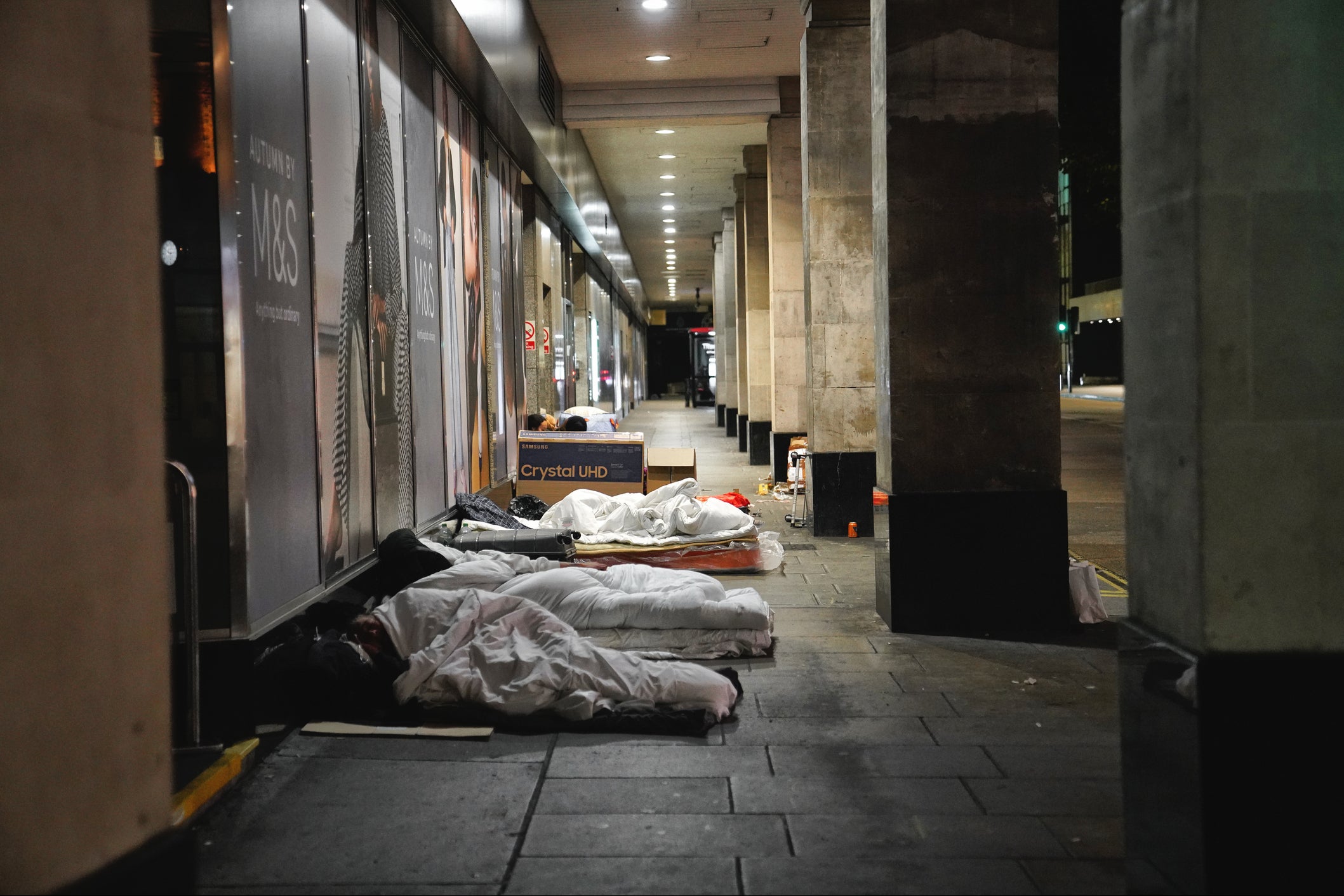
In what she describes as her lowest point, Sofia ended up on the “extremely cold” Manchester streets for several days in December 2023. It wasn’t until the following February that she was finally put in stable housing.
“It was horrific. It’s the constant worrying about your belongings possibly being stolen or damaged, what you’re going to feed yourself, how you’re going to keep clean, go to the bathroom,” she said.
Throughout June, The Independent is publishing a wide range of stories exploring LGBTQ+ identity, rights, culture and experiences.
As part of our campaign championing people in Pride Month, this publication has again partnered with Pride in London and launched our iconic Pride List for 2026, which celebrates the LGBTQ+ community’s biggest trailblazers.
 open image in gallery
Like Sofia, many young LGBTQ+ people are forced out of their homes, making them far more likely to end up on the streets.
Around 24 per cent of young people experiencing homelessness are queer, according to LGBTQ+ youth homelessness charity AKT, while those aged between 18 and 25 are four times more likely to face homelessness compared to their non-LGBTQ+ peers.
“There are still high rates of intolerance for queer people in general, which means that they can be forced out of their homes by their families, by landlords, by any number of people who hold influence over their housing,” Sofia said.
“One of the biggest issues is finding places that are queer-friendly, or tolerable of the existence of queer people.
“It’s terrifying trying to find places and fearing that you’ll be discriminated against and that you’ll miss out on housing just for something well beyond your control.”
Nearly one in five LGBTQ+ people have experienced homelessness at some point in their lives, according to Stonewall Housing. This figure rises to 25 per cent for trans people.
 open image in gallery
Nicola Harwood, the executive director of operations at homelessness charity Depaul UK, said: “The root cause of youth homelessness is family breakdown… for young people who are LGBTQ+, this is heightened even more so as they experience conflict at home.”
Ms Hardwood said that young queer people also face unique struggles after they’ve been forced out onto the streets, and are more likely to be turned away from accommodation because they are LGBTQ+.
“All young people experiencing homelessness have experienced some form of trauma in their journey to becoming homeless, but for LGBTQ+ young people, that’s heightened even more so,” she added.
Amy Heritage, director of marketing and communications at AKT, said: “What we tend to see is young people who have either come out or been outed, and their family have been abusive towards them, or kicked them out.
“LGBTQ+ youth are also vulnerable because there’s a lot of intersectional needs. A lot of the young people we work with are neurodivergent, or they have a disability. We work with a very high number of people who are Black, brown or people of colour.”
 open image in gallery
She said young LGBTQ+ people must have safe housing options specific to them, which are offered by groups like community shelter non-profit the Outside Project.
Charities like AKT and Depaul will help young LGBTQ+ people find emergency support and specialist accommodation, which they say can be crucial to keeping them safe.
“There have been times when people have been moved into local authority accommodation, but their neighbours have been homophobic and abusive, and they feel really unsafe,” she explained.
“I think that there can be something really empowering also about meeting people who are like you… and knowing that you’re not alone.”
A spokesperson for the Ministry of Housing, Communities and Local Government said: “Everyone deserves a safe and secure home and we’re taking action to end homelessness for good, backed by £3.6 billion investment.
“This includes work to support 18- to 25-year-olds who are at risk of homelessness or rough sleeping, and councils have the flexibility to provide help that is inclusive for LGBTQ+ people so that they can meet the needs of everyone in their communities.”
If you are aged 16 to 25, LGBTQ+ and at risk of or experiencing homelessness, you can contact AKT via its live chat or refer yourself online.
* Name has been changed