


At the millennium’s turn, guitar music seemed to be exploding out of every basement club and back-room rehearsal space. Everyone knew someone in a band or thought they were about to get famous.
Over the next decade, I built a career as a music publicist working with some of the hottest new bands of the era. I had a front-row seat as the Noughties indie scene exploded – and, without quite recognising it at the time, to the particular version of masculinity it was busy creating.
The sense of possibility was palpable. You could hear it in the opening riff of Franz Ferdinand’s “Take Me Out”, Pete Doherty’s raw, anarchic howl on “Up the Bracket”, or the propulsive unease of Matt Tong’s drumming on Bloc Party’s debut single, “She’s Hearing Voices”.
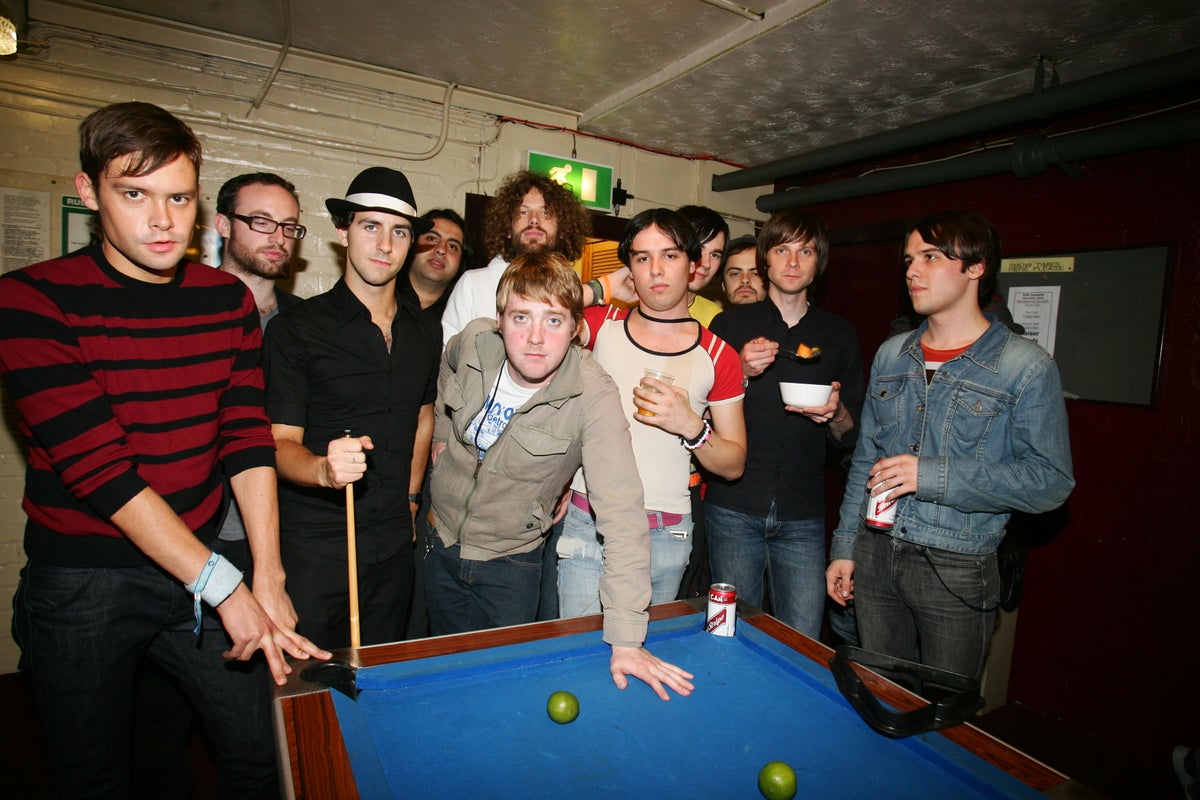
But looking back, the pattern becomes obvious. The default image of the Noughties indie star was almost always four blokes with guitars, skinny jeans and increasingly ambitious hair. The Others were a perfect example: a band who paid tribute to the charismatic 1970s Queens Park Rangers maverick Stan Bowles and staged guerrilla gigs in places as unlikely as a London Underground carriage. As their frontman, Dominic Masters, puts it: “It was white, Anglo-Saxon, Protestant boys who were on the posters.”
 open image in gallery
It wasn’t much different behind the scenes. During that period, every A&R person I worked with was a man. Every manager was a man, bar one: Banny Poostchi, who managed The Libertines from 2000 and helped get them signed to Rough Trade. Poostchi eventually resigned, exhausted by the chaos surrounding a band whose frontman was becoming increasingly unmanageable. It was hard not to notice that she was also dealing with another challenge: being a woman in what was very much a boys’ club. Her ability was questioned at every step. The reality was that she was dealing with an increasingly impossible artist. Alan McGee, the legendary music mogul who followed her as manager, would discover that too. Strangely, nobody seemed to question his ability.
In researching my new book, The World Was A Mess But His Hair Was Perfect, I spoke to musicians and industry figures who lived through the Noughties indie explosion. The women I spoke to described navigating a world in which casual misogyny was so commonplace that, at the time, they barely recognised it as such.
 open image in gallery
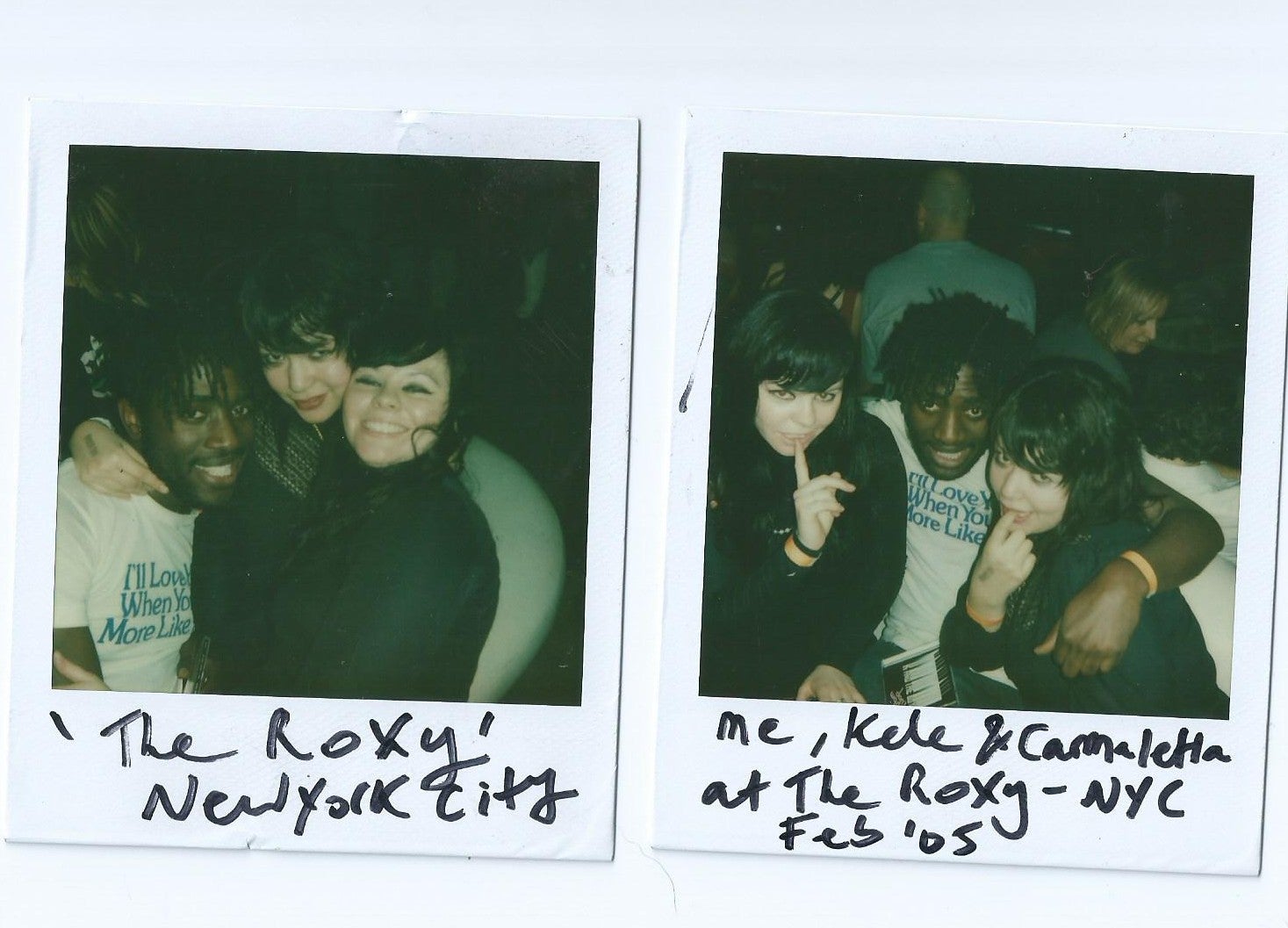
The scene wasn’t uniformly misogynistic. What I – and other women – experienced was something more insidious: the normalisation of sexism. White Rose Movement were best known for their breakthrough track “Love Is a Number” – the kind of song every other band of the era wished they had written. Their keyboardist, Erica MacArthur, puts it simply: “In the early 2000s, casual misogyny was accepted as the norm.”
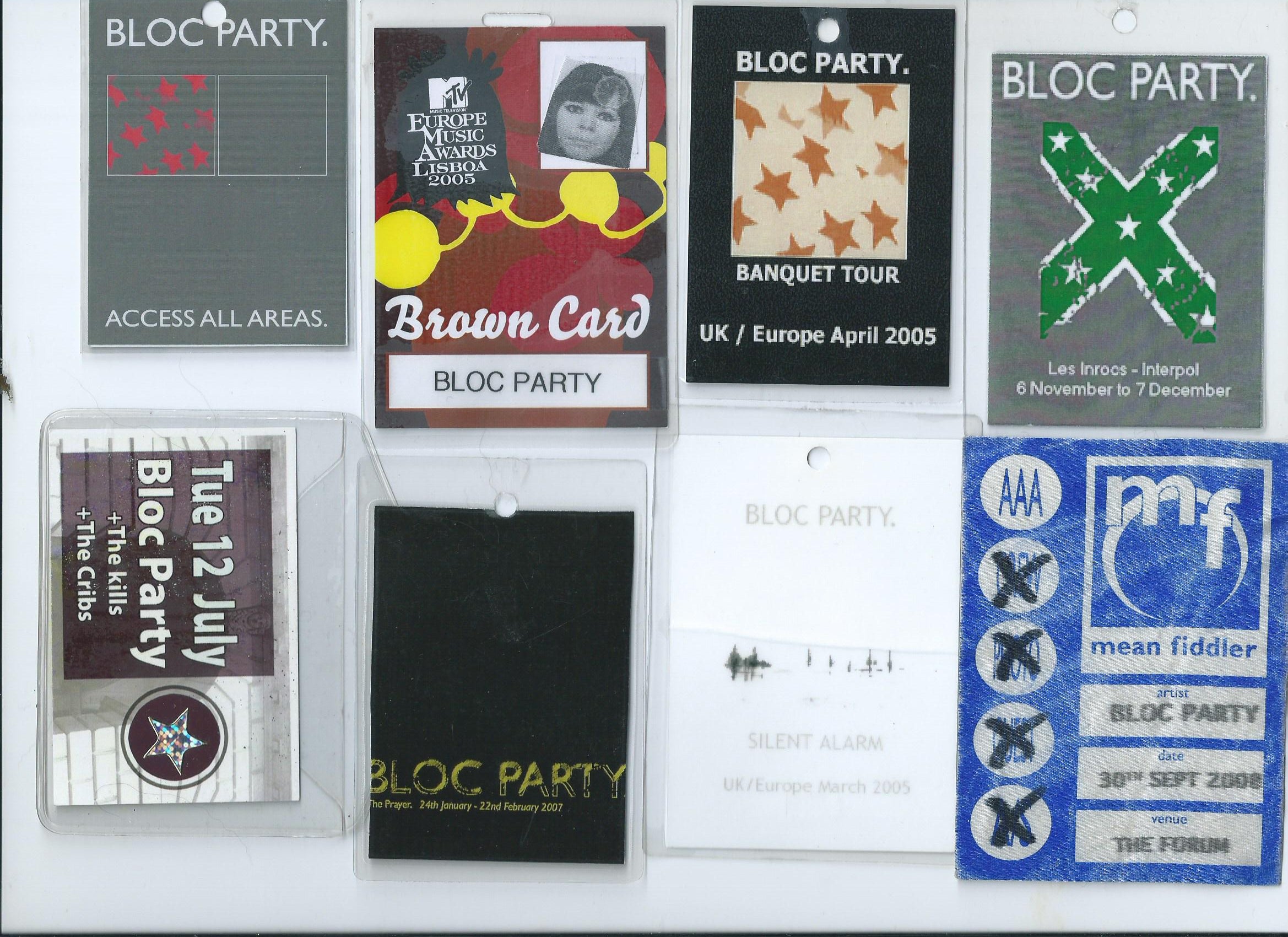
I remember walking into a band’s dressing room on a press trip to New York and being told I was better looking than the other press officer. To be fair, they were right: he was bald and wore winkle pickers. On another occasion, I was once sent on a press trip with a male journalist because, as a woman, I was expected to get a better response – and, in turn, he would write a better review. Was I being set up?

Enjoy unlimited access to 100 million ad-free songs and podcasts with Amazon Music
Sign up now for a 30-day free trial. Terms apply.
ADVERTISEMENT. If you sign up to this service we will earn commission. This revenue helps to fund journalism across The Independent.
A male colleague once informed me that I was only in the music business so I could hang around with boys in bands. The idea that I might love music – and possibly even know more about it than him – was beyond consideration.
Then there was the colleague who complained that, should I ever have a baby – not something I was contemplating at 23 – the company would have to pay me while I took time off. Statutory maternity pay wasn’t exactly radical, but he seemed to regard it as a personal affront.
I remember a female journalist telling me that an artist she had interviewed had asked her for a blow job. I begged her to put it in the piece, to call him out. She couldn’t. The band’s major label advertised with the magazine; there could be consequences, including her job.
“What did you say to him?” I asked. Her answer? “I laughed it off.”
That phrase – laughed it off – has stayed with me.
 open image in gallery
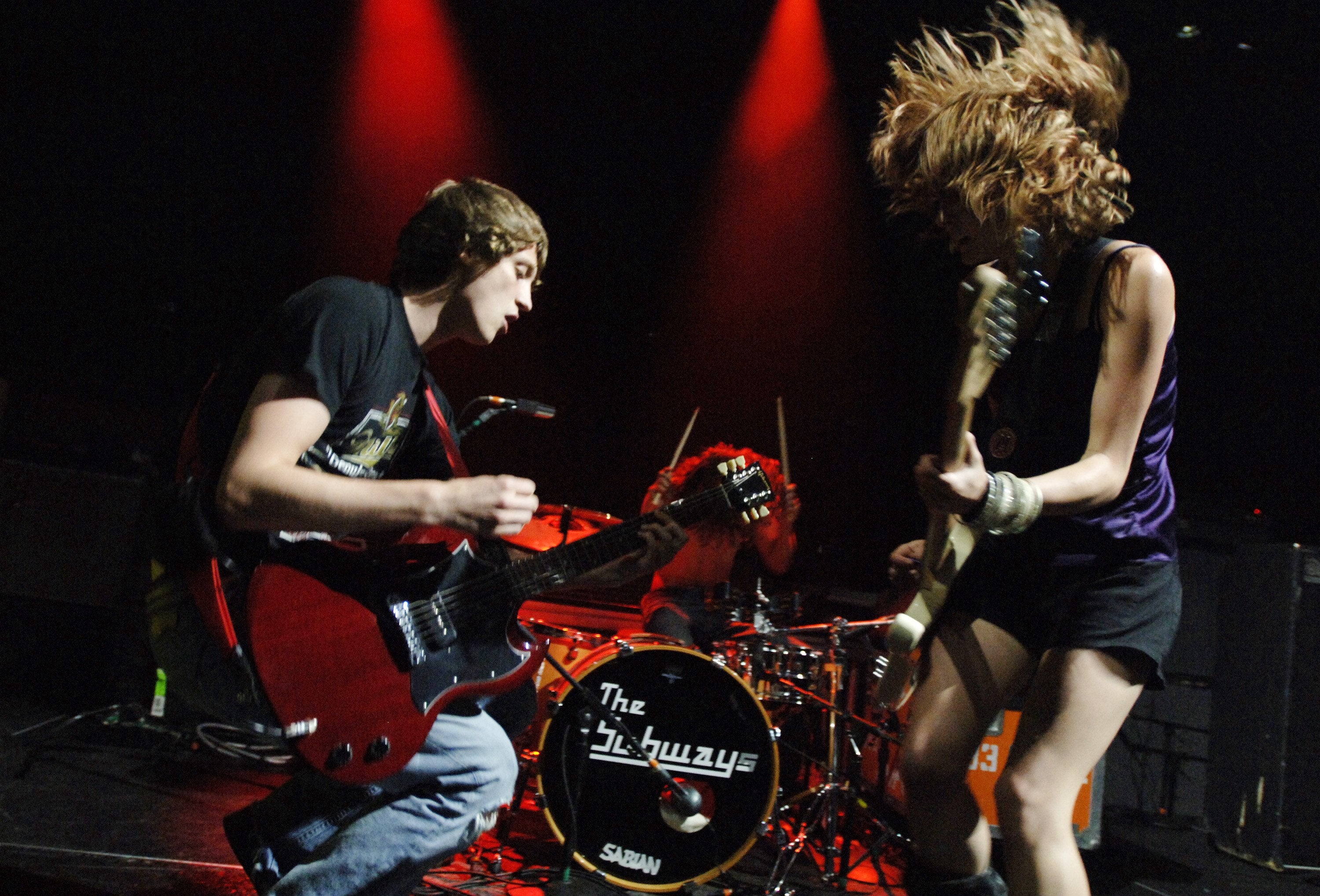
Charlotte Cooper, bassist and singer with The Subways – a band whose explosive live shows and hit single “Rock & Roll Queen” made them fixtures of the Noughties indie scene – told me: “At the time I didn’t really think about my experience of being a woman in music because I was so grateful to be in that position.”
That, for me, sums it up. We were grateful to be there. We weren’t going to rock the boat. Somewhere along the way, we had absorbed the idea that our presence was a privilege. I can’t imagine Johnny Borrell expressing gratitude for being allowed on the cover of the NME. Male bravado or not, he knew he had a right to be there.
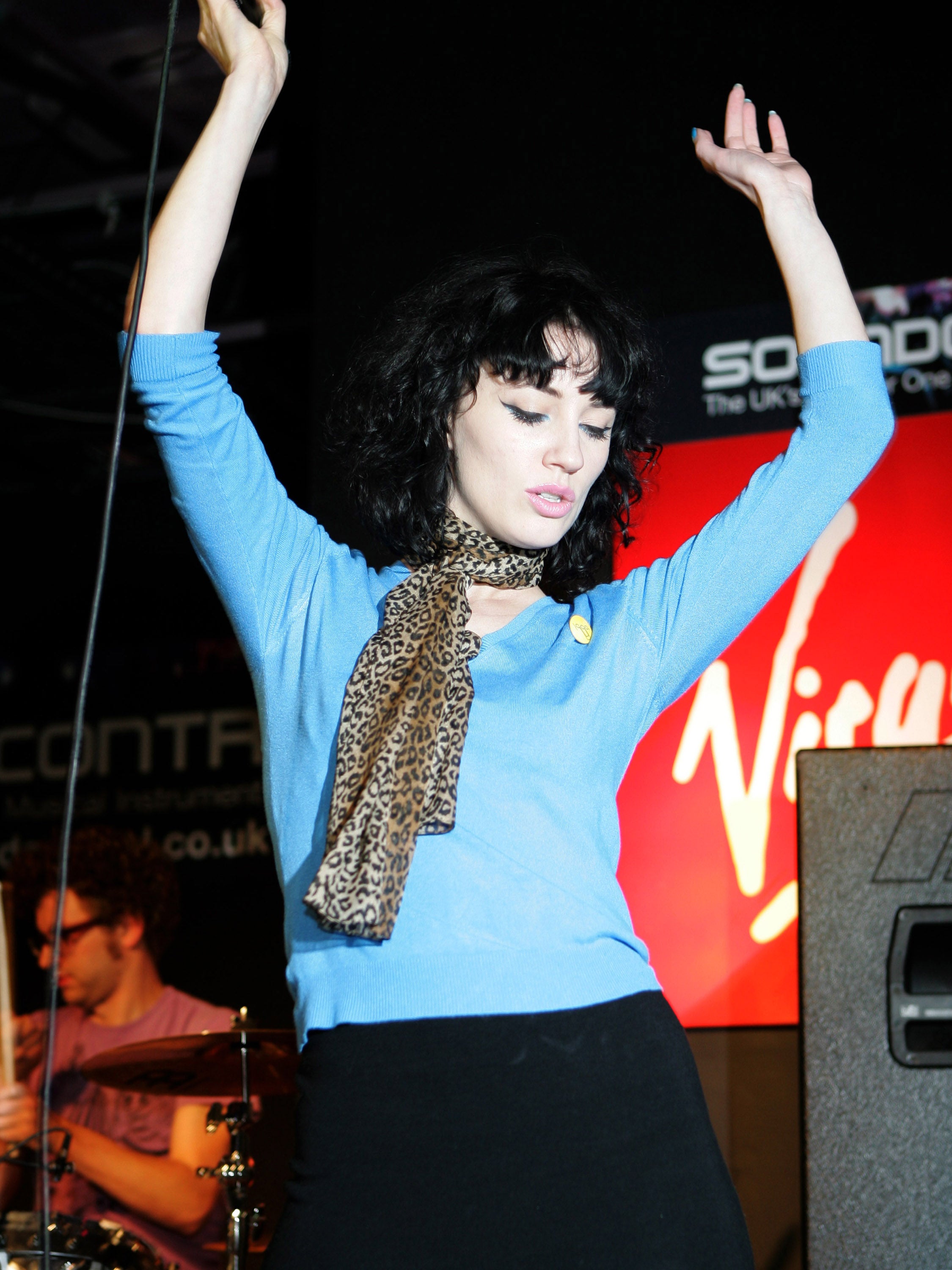
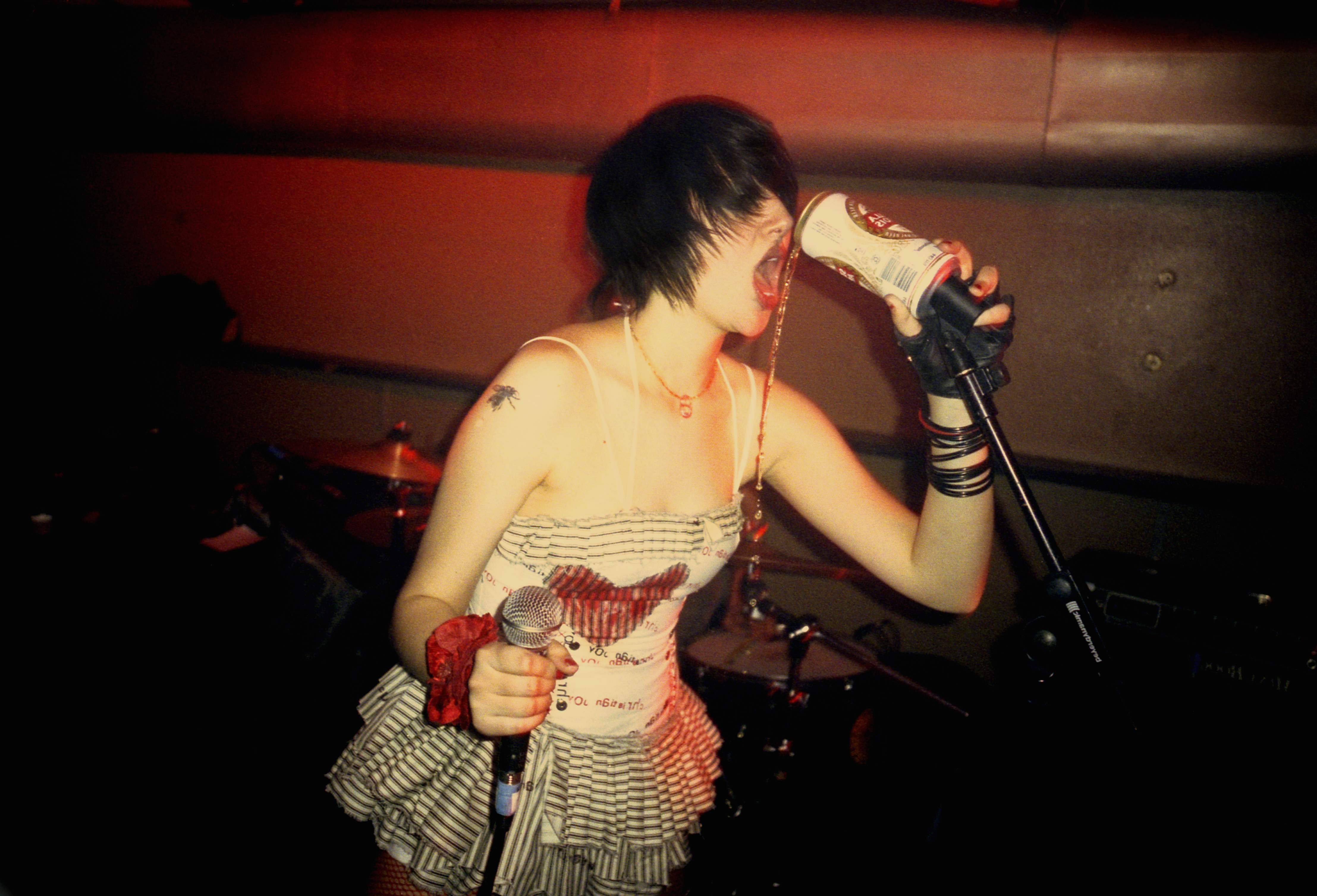
The Long Blondes made their name with sharp, observational singles such as “Giddy Stratosphere”, fronted by the glamorous Kate Jackson, whose charity-shop style, berets and dramatic stage presence made her one of the scene’s most distinctive figures. But being one of the most visible women in indie didn’t necessarily mean being fully accepted within it. “I thought it would be normal to be a woman in a band,” she says, “so it was a shock realising how hard it was.”
I don’t remember waking up one morning and thinking: “I am working in a sexist industry.” It was more a realisation, years later, that I’d spent a decade quietly nodding, brushing things off or mock laughing at sexist comments. Because it was easier than losing your job, becoming the butt of the joke, or being told: “Don’t be so serious.”
 open image in gallery
The strange thing is that even some of the men noticed it. Alex Kapranos of Franz Ferdinand recalls thinking: “This is all getting a bit blokey, isn’t it?” He wondered why women making music weren’t being taken seriously.
There were brilliant women everywhere: musicians, publicists, promoters… But the visible mythology of the scene remained overwhelmingly male.
Gordon Moakes of Bloc Party recalls an industry that was not just youth-focused but man-focused, where “skinny boys were top of the list”. For women who wanted to be in bands, he says, it was an upstream swim.
And yet women did push through the door. Brighton’s The Pipettes, with their modern take on the classic 1960s girl-group sound, and The Long Blondes offered a clear alternative to the ubiquity of the male four-piece guitar band. Elsewhere, Krissi Murison became the first female editor of the NME in 2009 – only 57 years after the magazine was founded. Beth Ditto challenged accepted ideas about beauty, sexuality and gender, while Karen O commanded the stage with a gloriously transgressive abandon. But women often had to arrive as a thing. A female band wasn’t simply a band; it was an all-girl band. A woman playing guitar wasn’t simply a guitarist; she was a female guitarist.
 open image in gallery
“Oh, we can’t possibly sign you because we already have a female band on our roster,” Kate Jackson recalls being told. “We got that a couple of times. They would never say that to an all-male band.”
Now, two decades later, the Noughties are back. Kaiser Chiefs have stretched the celebrations for their 2005 debut Employment well into its third decade, following its 20th anniversary with a further run of “More Employment” dates in 2026. This autumn, Razorlight will head out on a 20th-anniversary world tour celebrating their self-titled second album, with the band’s classic four-piece line-up performing it in full. Bloc Party and Interpol will also head out on a co-headline UK and European tour, bringing together two of the defining bands of the era.
The era once dismissed as disposable “landfill indie” has become heritage. And looking at the adverts, it is hard not to notice something else. Many of the men are still there. They’re older and some of the fringes have thinned, but they remain centre stage, playing the songs that made them famous to nostalgic audiences.
So, what happened to the women? Some remained in music. Former Pipette Gwenno released her fourth album, Utopia, in 2025. Beth Ditto reunited with Gossip and hosts a BBC Radio 6 Music show, while Karen O continues with Yeah Yeah Yeahs and solo projects. Others chose different paths. Kate Jackson is now a visual artist and has no interest in reforming The Long Blondes. Not everyone wants to spend their life performing a twenty-something version of themselves.
 open image in gallery
While writing The World Was A Mess But His Hair Was Perfect, I only realised I was documenting a disappearing version of masculinity once I finished. I was part of that scene. It shaped my career. I won’t rewrite history as simply awful, because it wasn’t.
The book’s title comes from The Rakes song written for Hedi Slimane’s 2006 Dior Homme collection—an era-defining celebration of the skinny indie boy.
The world was a mess. But his hair was perfect. I debated keeping the gendered pronoun. But the truth is, that world usually belonged to men. Looking at today’s reunions, I wonder not just who came back — but who never had the luxury of picking up where they left off.
‘The World Was a Mess But His Hair was Perfect’ is out now on Omnibus Press.