


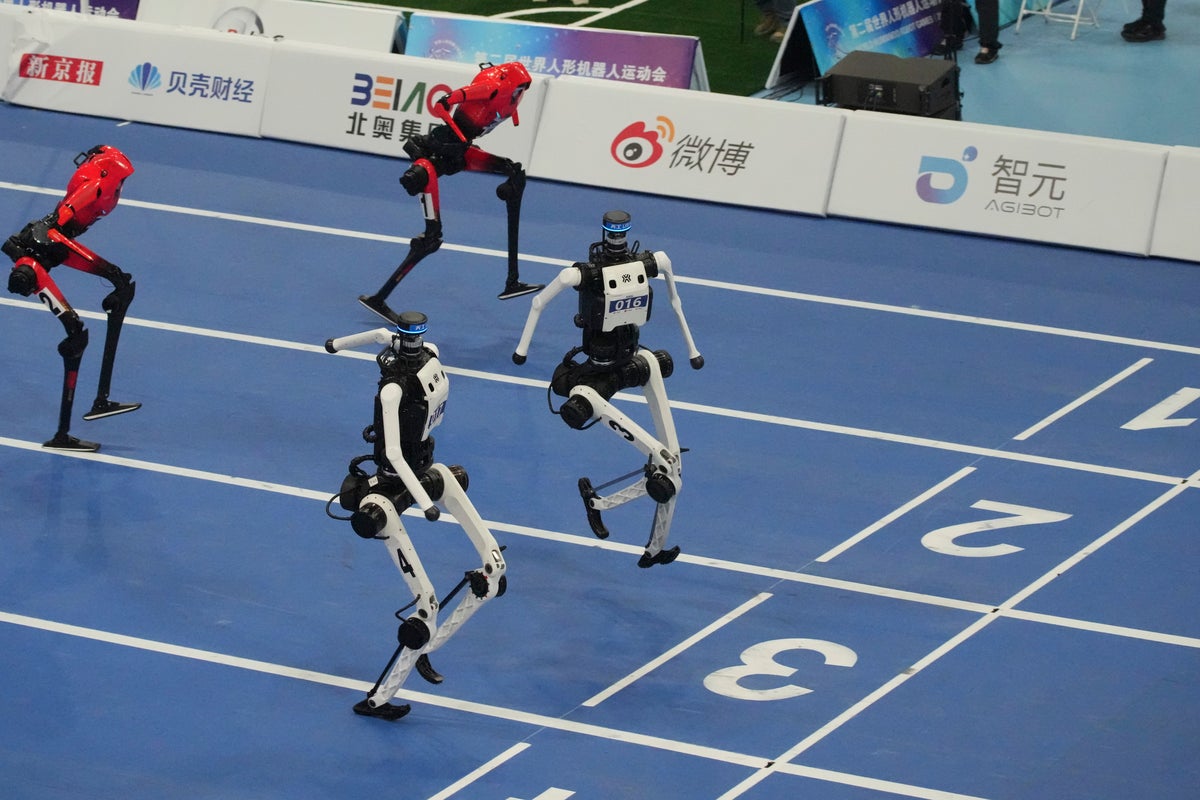
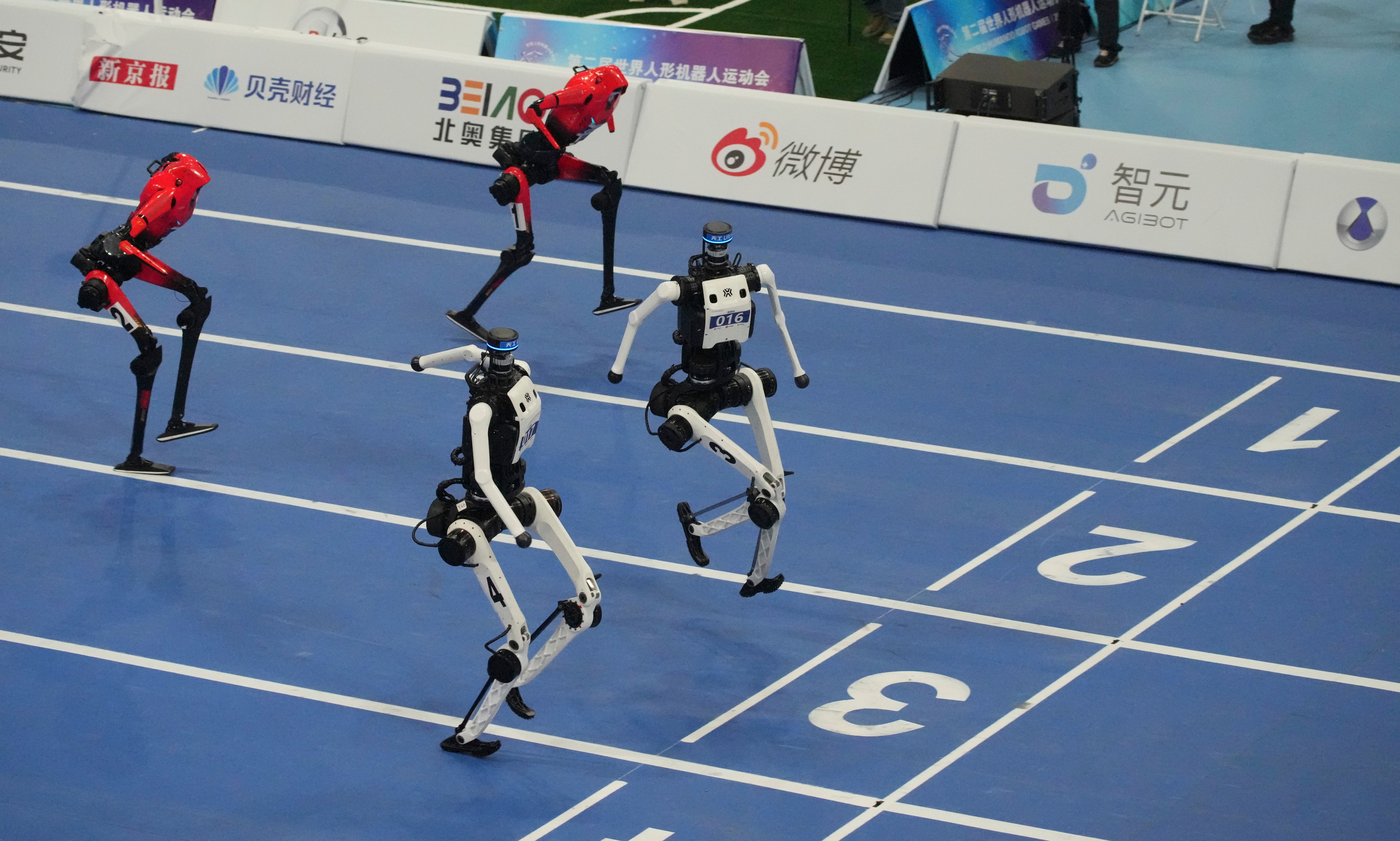
A humanoid robot set another new record in the 100-meter sprint on Wednesday before crashing into a barrier in a chaotic finish at China’s so-called robot Olympics.
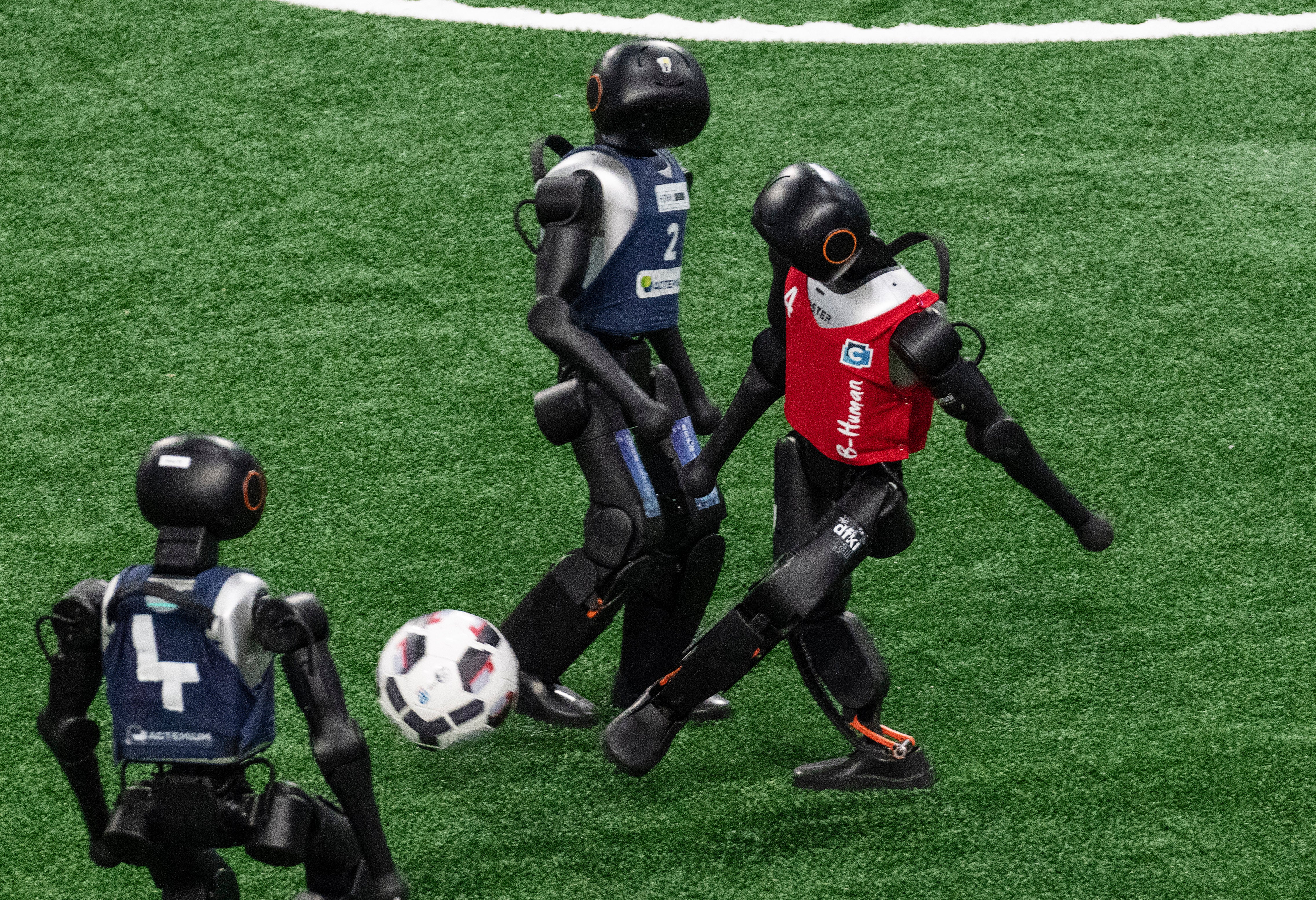
The new record was set at the conclusion of the five-day World Humanoid Robot Games in Beijing. Currently in its second year, the event featured more than 2,000 automated competitors taking part in Olympic-inspired disciplines such as running, boxing, and soccer.
The victorious machine completed the 100-meter sprint in 8.64 seconds, breaking a record that was achieved only a day earlier.
It followed a time of 8.86 seconds registered Tuesday and an earlier mark of 9.39 seconds posted four days prior at the competition.
 open image in gallery
The robot beat the fastest human 100-meter sprint of 9.58 seconds, achieved by Usain Bolt in 2009.
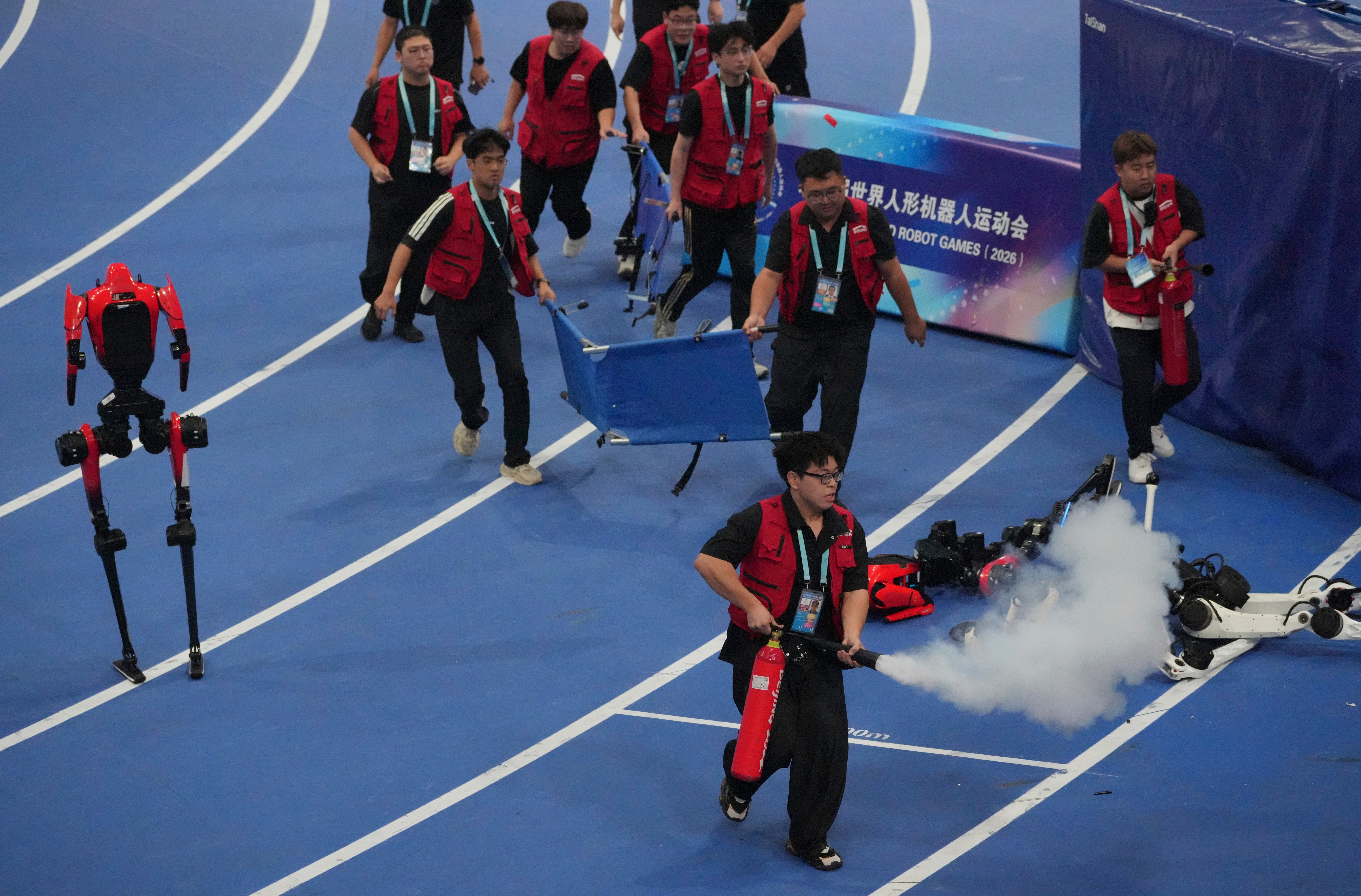
Upon crossing the line, several sprinting machines, including the champion, collided with a padded barrier. Crews rushed over with fire extinguishers as sparks emitted from some of the fallen units, with nearly all competitors eventually removed via stretchers.
China’s ‘Robot Olympics’
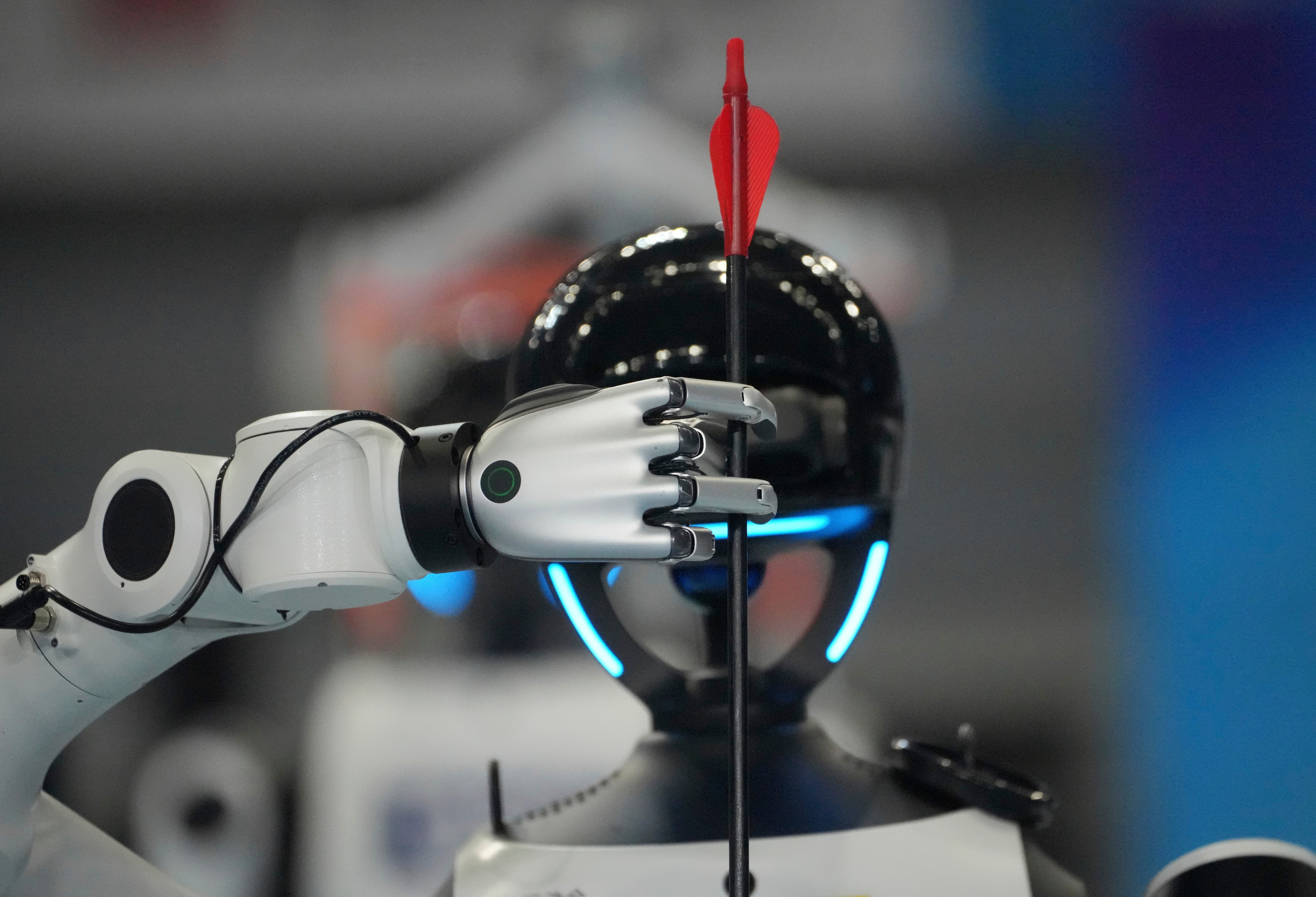
Beyond athletics, machines from 666 teams, most of them Chinese, were evaluated on practical capabilities, such as domestic chores, hospitality assistance, and emergency response efforts.
Each of the three sprinting records was established by the Tiangong Ultra model. The machine was designed by the Beijing Innovation Center of Humanoid Robotics, also known as X-Humanoid, a firm established in Beijing in 2023.
 open image in gallery
Spectators at the games told Reuters that the robots seemed more capable than those seen at the inaugural games.
“Last year’s robots looked a little stiff and uncoordinated,” said 34-year-old Niu. “This year, they are much better. They are like healthy newborn babies growing up.”
Another viewer, 29-year-old Yang, said she can imagine robots becoming as common as smartphones.
“Maybe there will be one at home and one at work,” she said, pointing to uses in chores or caring for elderly people.
 open image in gallery
For developers, the games were a public test bed for embodied artificial intelligence, which combines AI software with machines that can perceive and act in the physical world.
Founder and chief technology officer of Galbot He Wang said the competition will help teams improve their technology while showing what embodied AI systems could do autonomously.
“It will provide a huge boost for industry development,” he said.
China manufactures the majority of the world’s humanoid robots and the U.S. has recently stepped up scrutiny of robots from the country.
 open image in gallery
Last month, the U.S. Federal Communications Commission announced a ban on imports of new foreign-made humanoid robots from China, citing national security concerns.
The Pentagon recently also added Unitree, one of China’s leading humanoid robot makers, to its list of companies deemed have ties with the Chinese military, though Beijing has hit back at the accusations.