


How quickly could Andy Burnham become the UK’s prime minister?
After winning the Makerfield byelection, the returning Labour MP faces a number of scenarios in his bid to replace Keir Starmer
UK politics – live updates
Full report: Burnham wins by huge majority
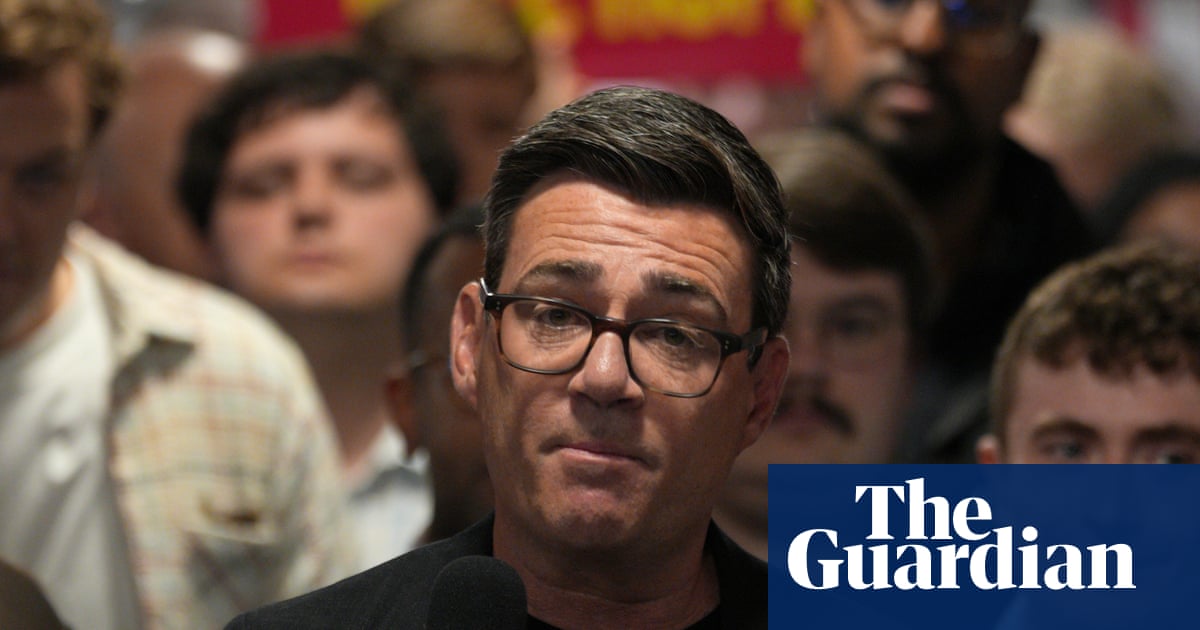
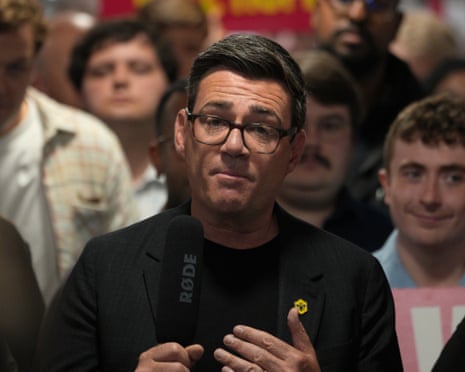
After Andy Burnham’s seismic victory in Makerfield, his prospects of becoming prime minister in short order look significantly higher than they did 24 hours ago.
But there are many variables in that process – from whether he faces a rival such as Wes Streeting in a leadership contest, to whether Keir Starmer is quickly ready to accept the likelihood of his political demise.
The fastest: Burnham in No 10 within days
The Labour party rulebook sets out that if an MP wants to challenge a sitting party leader, they must first be nominated by at least 20% of the parliamentary party (currently 81 MPs), as well as by at least 5% of all local branches or at least three party-affiliated groups, of which a minimum of two must be unions.
Any contenders who meet the threshold go forward to a vote of party members, assuming there is more than one challenger.
It also says that if a sitting leader is challenged, they do not need to meet these requirements and are automatically in the members’ vote – if they choose to be.
There is a scenario in which Starmer reflects on the scale of Burnham’s win and decides he will step down immediately – perhaps after a mass of senior cabinet ministers tell him they will resign if he does not – and no other challengers come forward.
Burnham would still need to go through the formal process of getting support from MPs and party groups, but with a coronation looming, this would most likely be swift. Labour’s ruling national executive committee (NEC) would set a timetable for the contest, and without a vote of the membership, the process could be completed in days.
Slightly slower: Burnham in No 10 within weeks
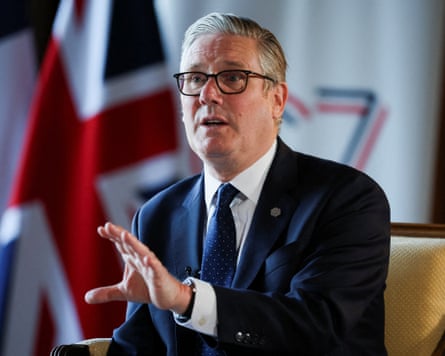
This is largely a re-run of the scenario above, but with the difference that Starmer agrees a timetable to depart which takes slightly longer, perhaps including a final diplomatic mission to the Nato summit in Ankara in early July.
Without a full contest taking place, Burnham and his advisers might be sanguine about this, within reason – he would most likely wish to take over before parliament goes into recess later in July.
Starmer has repeatedly ruled out stepping aside, saying he would fight any contest. Early on Friday morning, he posted a message of congratulations to Burnham on social media. However, much will depend on what he says later in the day.
His resolve might now be swayed by either very obvious mass support for Burnham among Labour MPs, or large numbers of cabinet ministers threatening mutiny.
It is also contingent on no other challengers coming forward, most notably Streeting. The health secretary has said he will launch a challenge and that he has enough MPs to back him. But this support remains to be seen, and what he does have may ebb away if there is a sense that MPs now want to back Burnham.
Quite a bit slower: a full contest
If Starmer, Streeting or anyone else decides to fight Burnham for the leadership, and they get the sufficient suite of nominations, it will go to a vote of Labour’s membership. The timetable will necessarily be longer, but how much longer depends.
The timetable is set by the NEC, which has some leeway. In 2020, when Labour was in opposition and had just lost the December 2019 election, it set aside three months for the contest which saw Starmer take over as leader.
But in September 2025, with Labour in government and Angela Rayner having resigned as deputy leader, the contest to find her replacement – held under the identical rules – was accelerated, taking about six and a half weeks.
Choosing a new prime minister is, of course, even more urgent, so the timetable could be compressed further, although Labour officials will want to ensure there is time for candidates to get a proper hearing.
But after Burnham’s clear victory, the mood in the party membership and among MPs may not welcome such a drawn-out approach.
- Makerfield byelection
- Andy Burnham
- Greater Manchester
- Labour
- Keir Starmer
- England
- Wes Streeting
- explainers