



As the world anticipates the excitement and spectacle of the upcoming FIFA World Cup 2026, a wave of football enthusiasm is expected to sweep across the nation, inspiring many to lace up their boots and head onto the pitch.
While this major tournament celebrates elite skill and promises unforgettable moments, the true essence of the game lies in its profound benefits for everyday players – both physically and mentally.
Dr Sam Botchey, a consultant in musculoskeletal, sport, and exercise medicine at HCA UK at The Shard, highlights football’s significant impact on cardiovascular fitness. He describes the sport as “a form of natural interval training,” involving “repeated bouts of jogging, sprinting, changing direction and recovering.”
This dynamic activity consistently challenges the heart and lungs at varying intensities, leading to substantial improvements in cardiovascular health.
 open image in gallery
Beyond endurance, football is a powerful full-body workout. Dr Botchey notes that the actions of “sprinting, jumping, tackling and decelerating” load the body in multiple directions, strengthening muscles, tendons, and bones – a benefit that becomes increasingly crucial with age.
Specifically, playing football can help preserve lower-limb strength by heavily engaging muscles such as the quadriceps and calves. The constant interplay between brain and body during a game also significantly enhances balance and coordination.
“During a game you are scanning, trying to control the ball and trying to avoid your opponents,” Dr Botchey explains, which trains the body to react and make decisions while exercising. This process is excellent for balance and developing “neuromuscular control, confidence in your movement and proprioception.”
Regular participation in football can also be a key factor in weight management. Dr Botchey explains that its varied and high-energy nature contributes to “improved body composition, improved insulin sensitivity and can even improve fat loss when you combine good nutrition alongside the amount of calories you’re burning while playing football regularly.”
 open image in gallery
Crucially, the enjoyment factor plays a significant role, as people are “more likely to sustain it compared to a repetitive activity that they don’t enjoy.”
Beyond the physical, football offers profound mental and social advantages. Dr Botchey points out that it “teaches players about emotional control and resilience,” citing the experience of overcoming a losing position.
Danny Potter, football coaching and performance programme lead at the University of Chichester, emphasises its role as “a social currency which brings people together.”
Players often “make friends for life,” fostering cohesion and mutual support within the team. Potter also highlights that it serves as “a really great release,” diverting attention from screens and other stressful areas of life.
 open image in gallery
Dr Botchey concurs, adding that the routine of team involvement provides “a sense of purpose and achievement,” which are powerful for mood, stress regulation, and overall mental wellbeing.
For those inspired to get involved, Potter advises contacting their local county FA, which can “signpost you to specific teams, clubs and opportunities in your local area.”
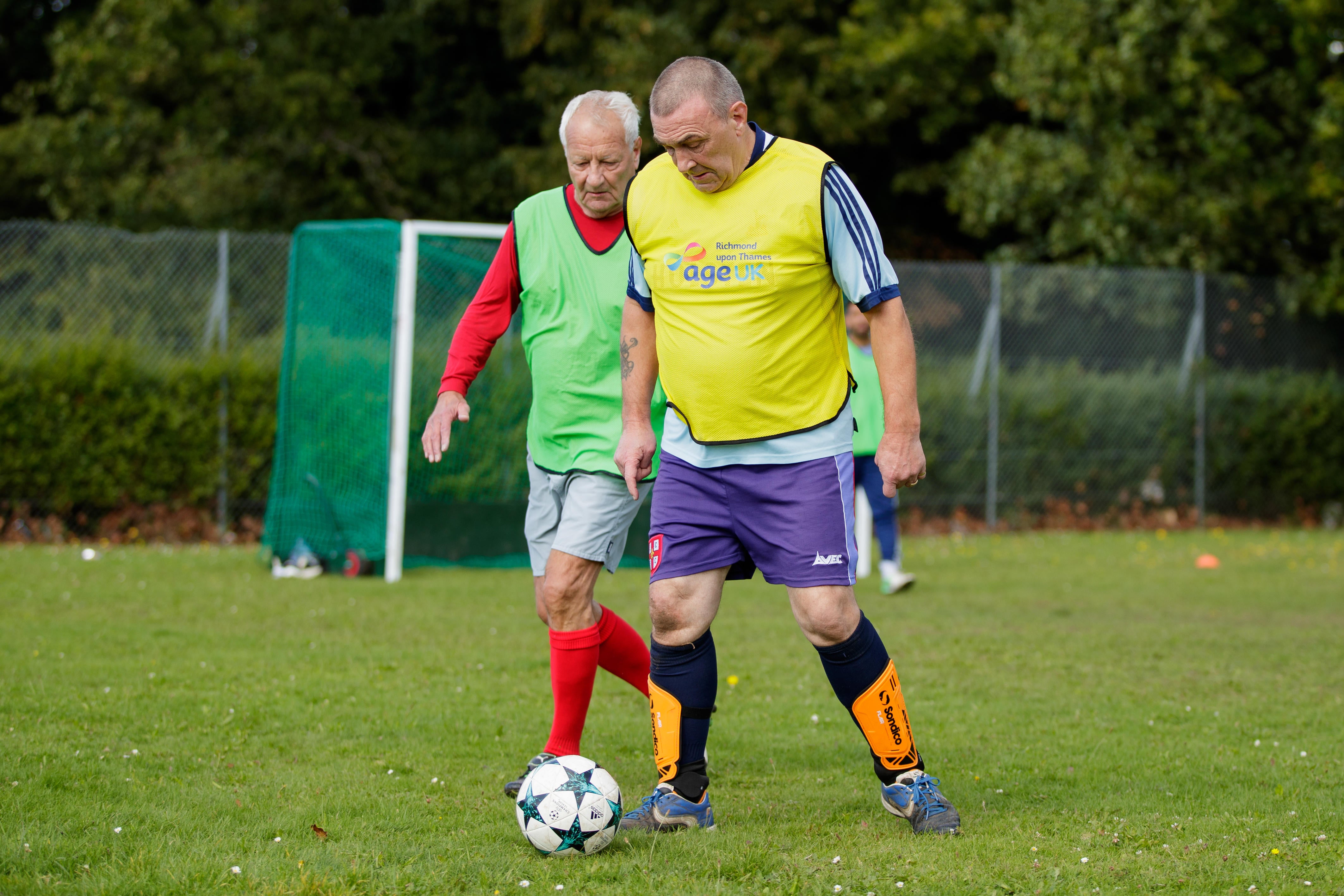
Options range from recreational and walking football to five-a-side teams and more competitive leagues, catering to different ages, levels, and needs. The sport’s accessibility is a major draw, requiring “minimal equipment” and playable “anywhere.”
 open image in gallery
However, Dr Botchey cautions against sudden high-intensity play to prevent injuries. He recommends building up gradually, ensuring a good warm-up, and incorporating strength and balance work alongside football training.
“The World Cup is going to motivate lots of people to get involved in football,” he says, “but it’s important to remember that most recreational injuries happen when someone suddenly goes from doing very little to a lot at a high intensity.”