


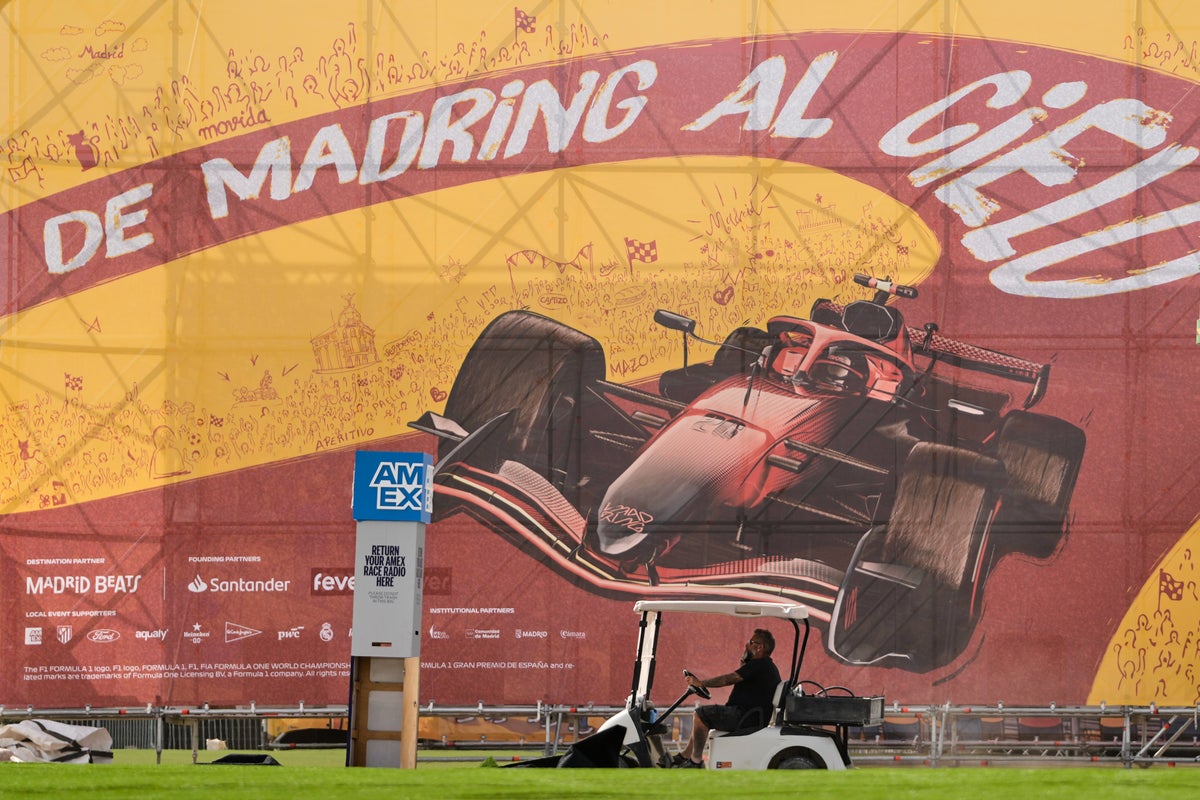
As if to emphasise the scale and enormity of the proposition at hand, it was 2017 and the inaugural year of Liberty Media’s game-changing takeover of Formula 1 when conversations first took place with stakeholders in Madrid about hosting a grand prix.
Following the American train of thought with a modern-day city-centre circuit and extravaganza, could the Spanish capital go where no Western European capital had gone before? Nine years on, the end-product will be showcased to the world this weekend. Forty-five years after F1 last raced in Madrid, the Spanish Grand Prix has a new destination.
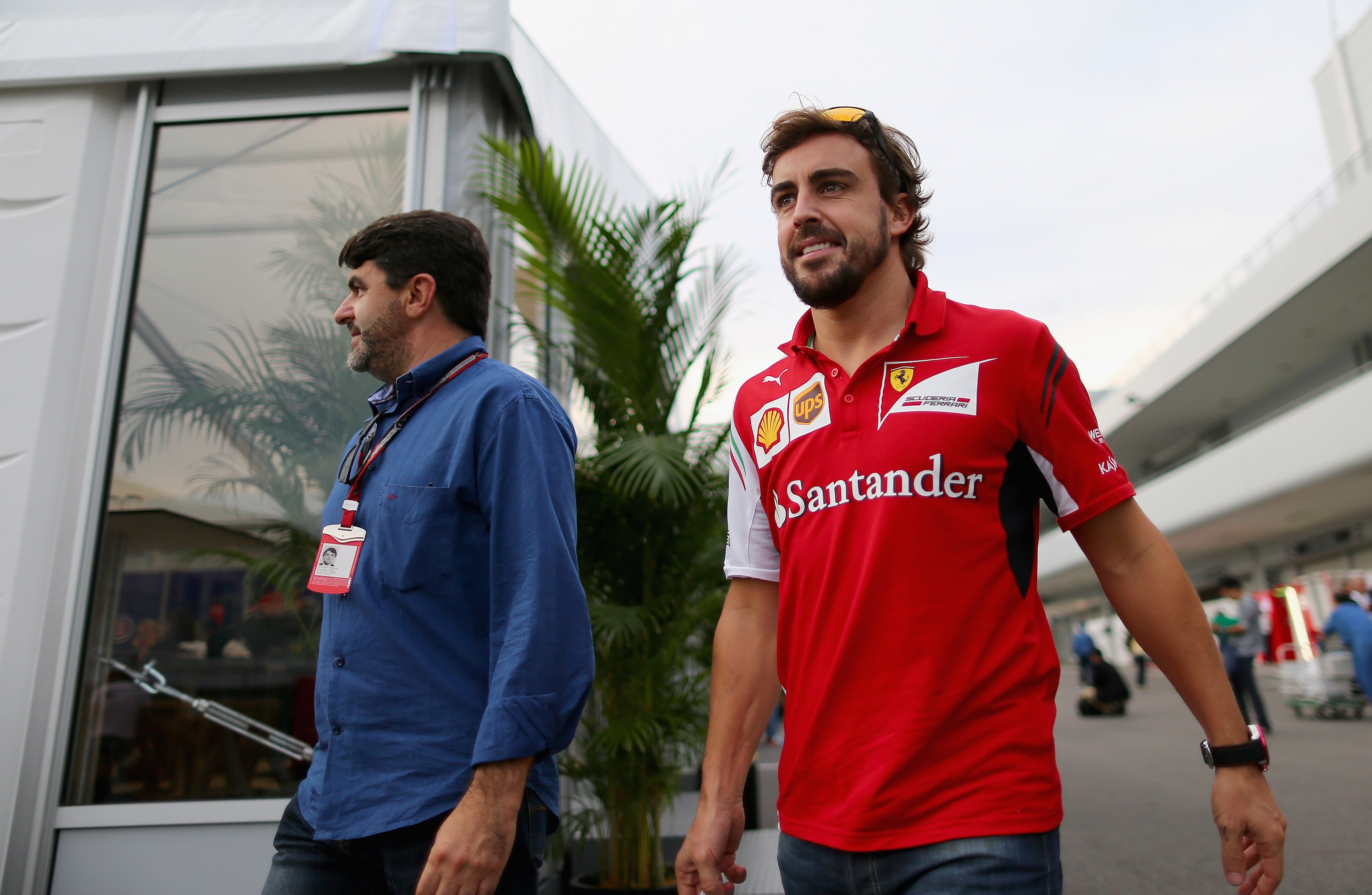
“There were a lot of reasons to walk away,” Spanish GP CEO Luis Garcia Abad, also manager to Fernando Alonso for nearly 20 years, tells The Independent about a process a decade in the making. “To organise something new in Europe in 2026, with a lot of regulations and different aspects to it… there are opportunities to stop.
 open image in gallery
“But we always found a way to continue and it’s the best-possible circuit we could have. That’s the most valuable thing.”
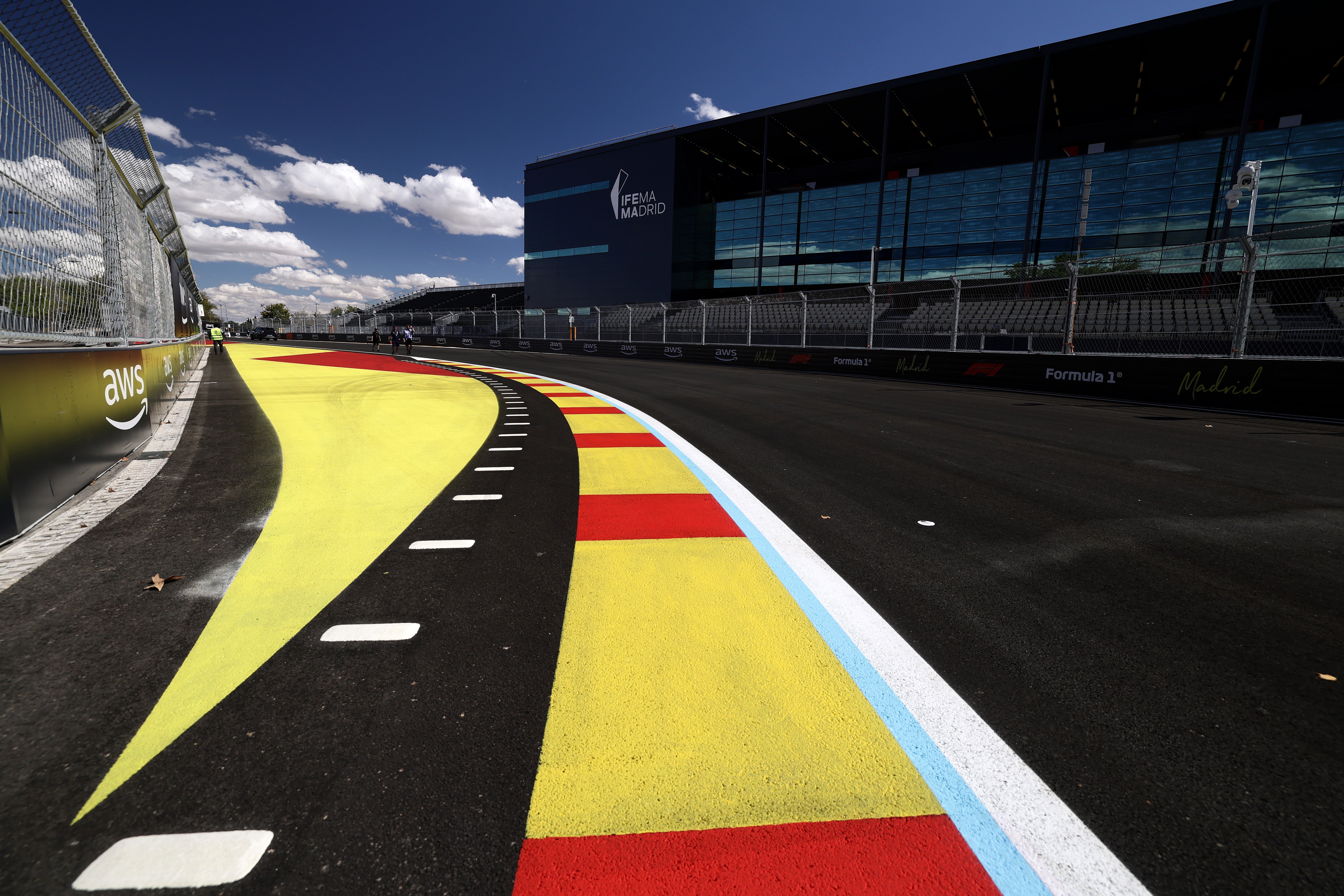
It promises to be quite the spectacle in the sunshine. Situated in the Barajas and Valdebebas district of the city, right next to Real Madrid’s exquisite training complex, the aptly named “Madring” is Formula 1’s first new circuit since the Las Vegas Strip Circuit debuted in 2023.
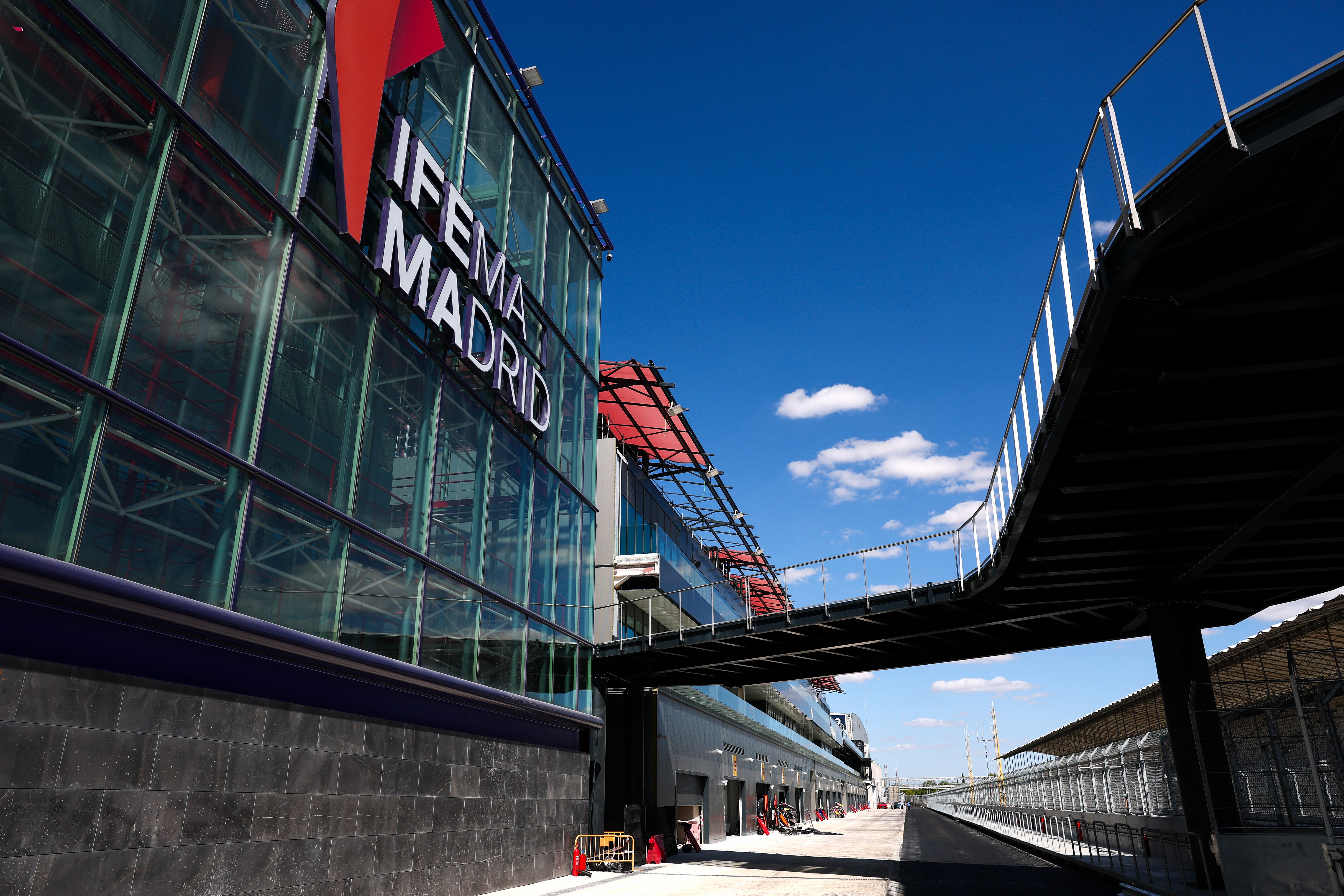
With the IFEMA Madrid exhibition hall serving as the core base – think a bigger Excel London, which has actually hosted a Formula E race for the last six years – the 22-turn circuit has a lucrative 10-year contract with Formula 1. The new venue has also snatched the ‘Spanish Grand Prix’ tag from the Circuit de Barcelona-Catalunya, which has switched to a two-year rotational deal with Spa-Francorchamps. Madrid is paying an approximate hosting fee of £41million-a-year, almost double what Barcelona previously paid.
To Abad’s credit, he only raises a slight smile when put to him that it must be to some satisfaction that Madrid has stolen a march on Catalunya. “We asked for a Madrid Grand Prix and got a Spanish Grand Prix,” he admits. “We have a lot of friends in Barcelona but to be honest, this is a very different project and idea.
“Liberty’s new standards in Formula 1 are that you need to organise not just a race but an experience. We are near the international airport, three metro stations and a train station.
“Nowadays, you can’t ask your customers to drive for two hours to be at your event [i.e. Barcelona’s track, on the city’s outskirts]. You have to bring the event to the customers. This is the future.”
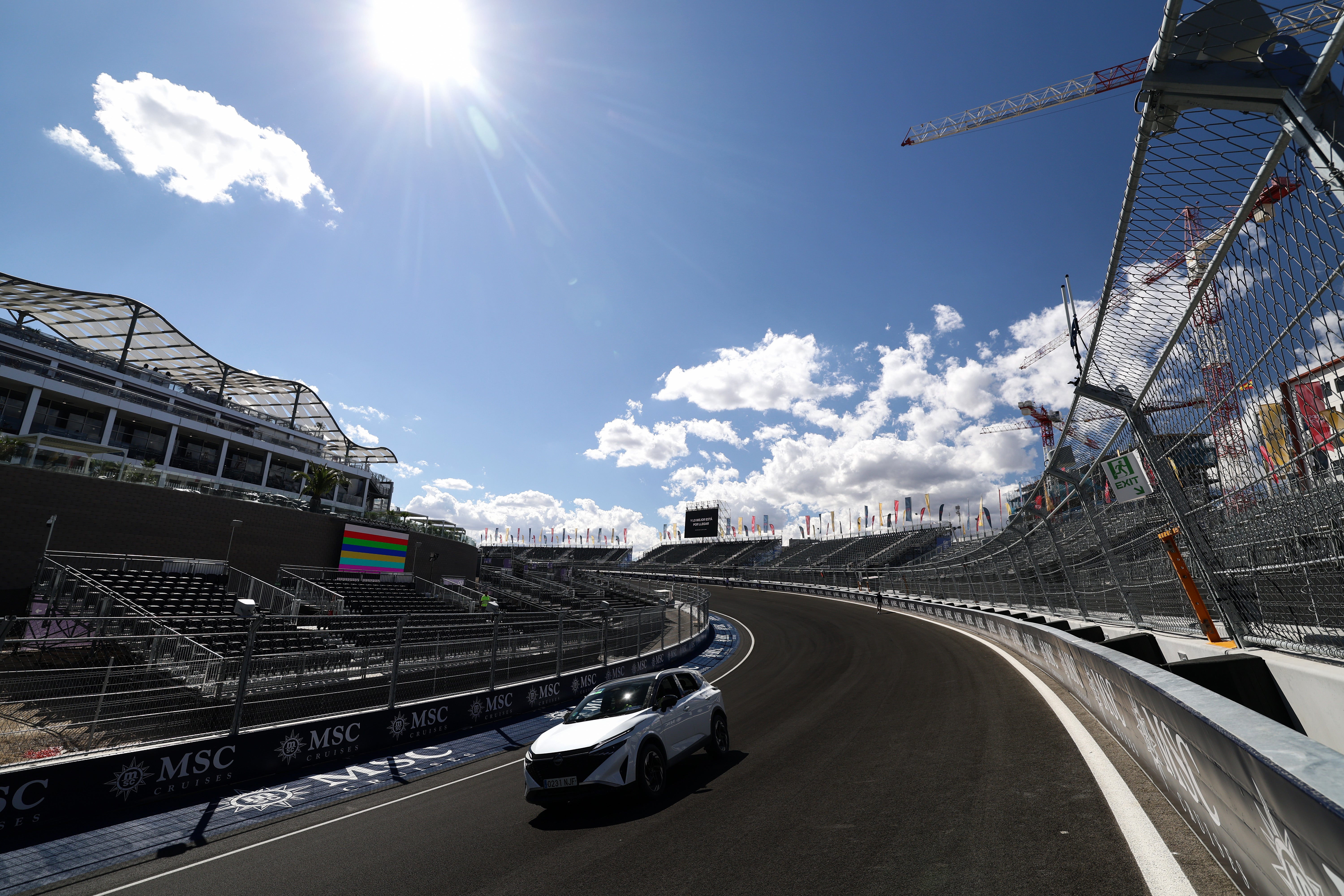
It is this ethos that shifted focus towards a brand-new city-centre offering, as opposed to a return to the Jarama circuit 20 miles north of the city, which last held the Spanish GP in 1981. With a combination of high- and slow-speed corners, the picture-book shot is the 550m-long turn 12 ‘La Monumental’ banking, which will whizz the cars – which include F2 and F3 this weekend – around at roughly 125mph amidst a bullring-esque amphitheatre holding 50,000 fans.
 open image in gallery
 open image in gallery
“I wanted to have something iconic,” Abad details. “It was impossible to have Rascasse [Monaco], Eau Rouge [Spa] or 130R [Suzuka]. It’s very important to have something which is recognisable for spectators who are there and those watching on TV.”
Inevitably, with such complex configurations and building of infrastructure in one of Europe’s biggest cities, including the longest pit-lane on the calendar at 550 metres (Sunday’s race will not be a stop-fest), there have been snags. An F3 test last month triggered local noise complaints. Around 300 metres of electrical cable was stolen from the circuit 10 days ago. There are also sporting concerns surrounding overtaking opportunities, with no extensively long straight as opposed to similar street tracks like Baku or Jeddah.
Abad dismissed all such issues out of hand; albeit there won’t be many siestas across the north-east of the city this weekend. “We have installed an anti-noise system at turns 7, 8 and 9, which are close to our neighbours. There are thousands of metres of cable, so this was more a media thing than a technical problem. And the track? We think we have 22 corners with a lot of personality, a lot of challenge.
“Walls are waiting for you, if you are not in the right place at the right time.” Some drivers have already raised the notion of potentially big shunts, with little run-off area around a circuit set to have a qualifying lap time of around one minute and 32 seconds.
 open image in gallery
 open image in gallery
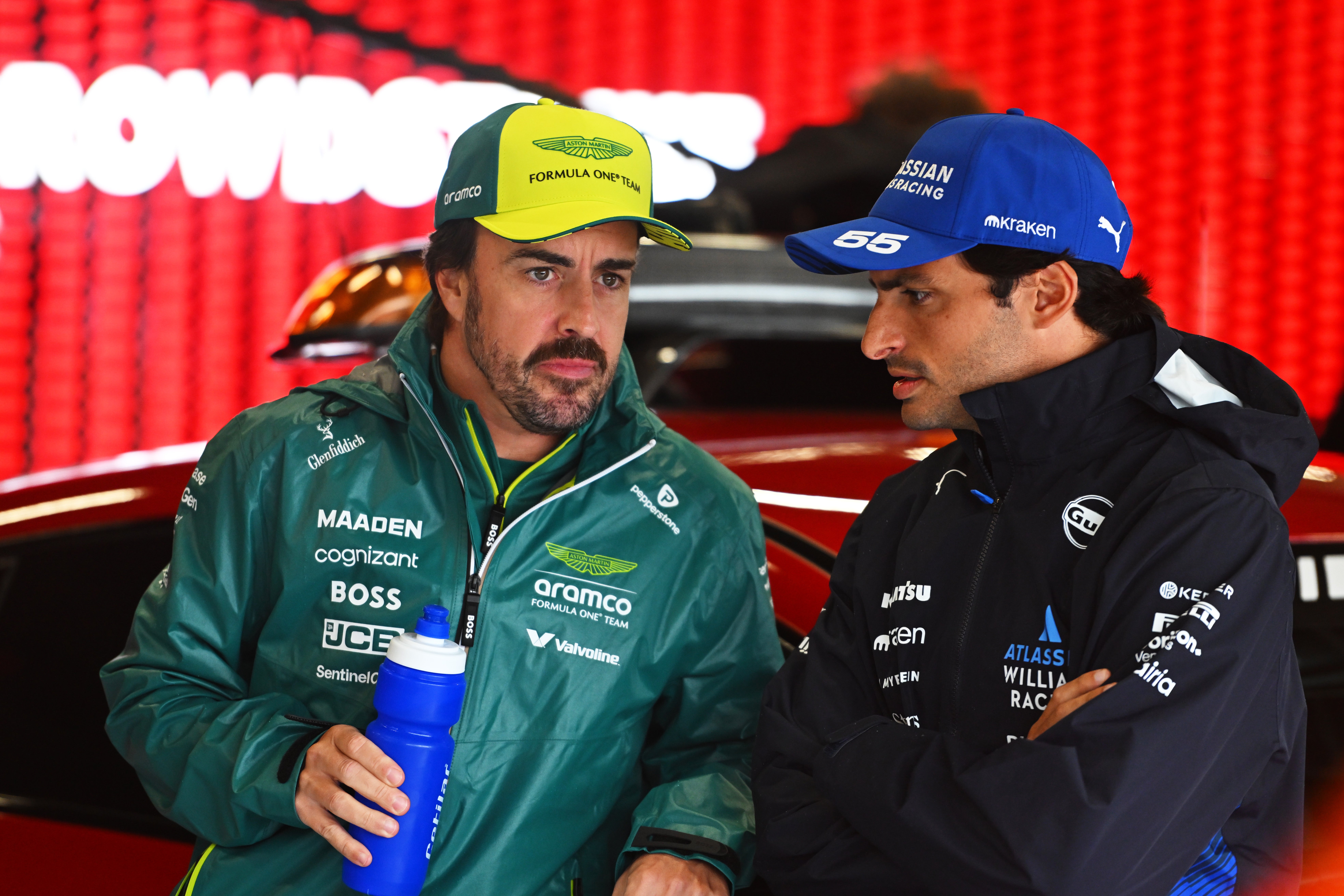
Spectator numbers also – at least the estimations – make for impressive reading, as the majority flock to support Alonso and Madrid-raised Carlos Sainz. Abad is expecting around 100,000 fans a day this year, with the target of increasing this number to 140,000 (and 420,000 across the weekend) in the years to come. This would put Madrid right up there with the sport’s benchmarks, such as Silverstone, Melbourne and Austin.
“There are good street events in Vegas, Miami, Singapore, Melbourne,” Abad says. “But we would like to bring something new.”
And amid decades of ‘will they, won’t they’ speculation about a street track in London, whether it be a route along The Mall pitched by Bernie Ecclestone in 2012 or a modern-day proposal in the east of the city three years ago, Abad had a message for other city-hegemons across the continent who may think the idea is totally far-fetched.
“It’s quite difficult to bring something new in Europe, at least the old Europe,” he says. “Well, we are now in first place, here it is. Our ambition today is to be a reference across Europe – and why not the rest of the world?”