


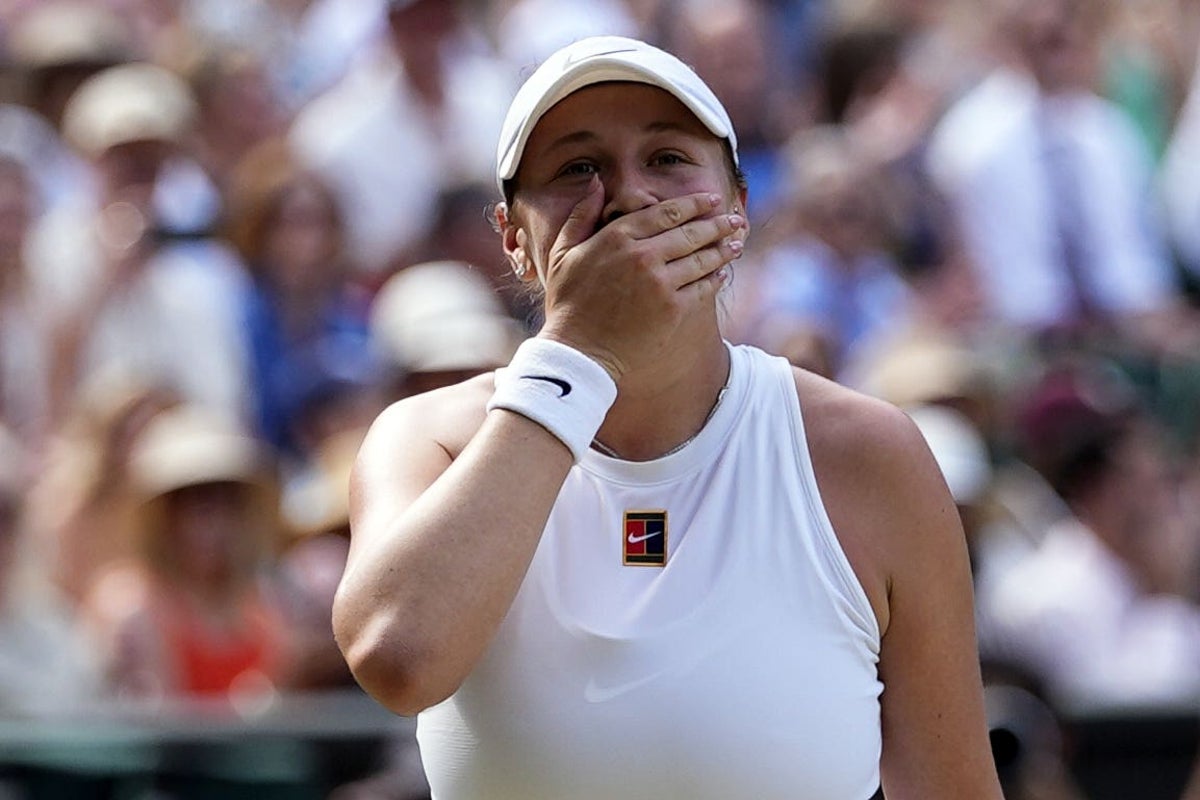
A year on from a final to forget, Amanda Anisimova returns to the All England Club. The 24-year-old could be forgiven for having mixed feelings about walking back through the gates at Wimbledon, having experienced the highest highs and the lowest low imaginable on its hallowed turf.
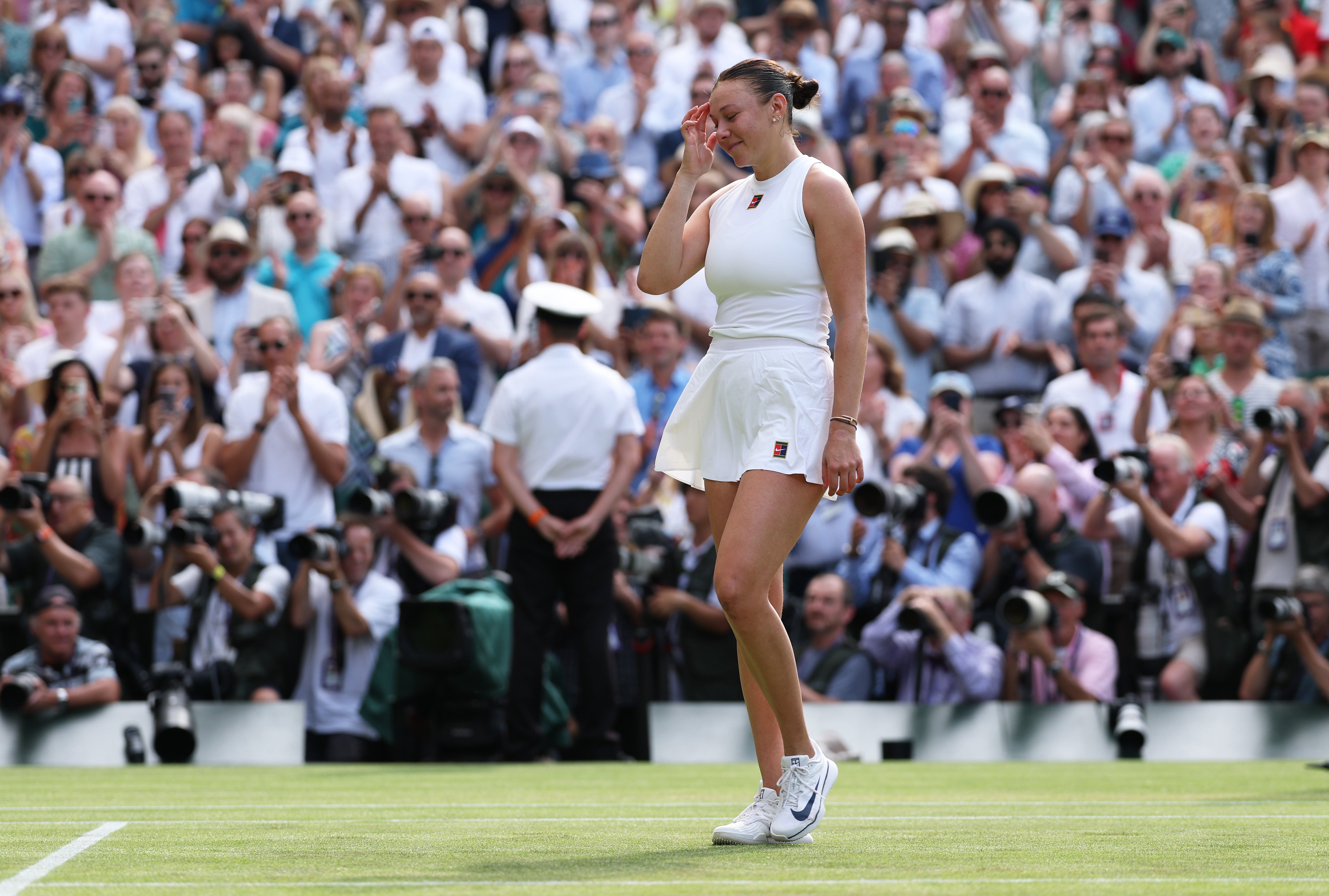
Her march through the draw at last year’s tournament, to her first major final, was hugely impressive. The final itself, a 6-0 6-0 drubbing by Iga Swiatek, the first of that scoreline at Wimbledon in over a century, was neatly summed up by her then coach as “the worst off day we have ever experienced”.
That tragic, terrible day at the office was soon forgotten, however. Six weeks later the American avenged it by defeating Swiatek at the US Open, and made it back to a grand slam final.
Any fears that the scoreline, and the experience, might be replicated were soon allayed. Far from being “frozen with nerves”, as she was at SW19, there were glimpses of Anisimova’s potent brand of first-strike tennis and she was unlucky not to take the final against Aryna Sabalenka to a deciding set, missing opportunities late in the second as she lost 6-4 7-6 (7-4).
It wasn’t necessarily a vintage performance from a player who at her best is one of the purest, most destructive ball-strikers on the tour. But it put her back on track, and demonstrated how far she had come.
The one constant of Anisimova’s career so far has been her resilience in the face of adversity, her ability to take stock of a terrible situation and recover from it. And she has been prepared to put in the hard yards: while many would have wanted to forget the Wimbledon final ever happened, she re-watched every excruciating minute of it in preparation for facing Swiatek again in New York. “Nobody told me to, but I watched it back, as painful as it was,” she laughed.
She was broken in the first game of that quarter-final, as she had been on the grass, and could see the match running away from her again. But she knuckled down and took matters into her own hands. “I feel like I really made a point to myself and also maybe to other people that if you really put a positive mindset out there or just try and work through things, then you can have a positive outcome.”
At the time, she did her best to put the Wimbledon defeat, which she described as “insane”, out of her mind, almost laughing it off. While professionally it was a terrible low, she had fought through much greater hardships.
 open image in gallery
A teenage prodigy, Anisimova reached the French Open semi-finals as a 17-year-old in 2019, in only her first full season on the WTA Tour, with her clinical, destructive game indicative of the enormous potential she had. Rather than following in the footsteps of compatriot Coco Gauff, however, she did not immediately convert that into major titles as a teenager.
Her life was blown apart by the tragic death of her father and coach Konstantin only a couple of months later, shortly before the US Open in 2019. She eventually decided to take a break from the sport for her own mental health, missing the majority of the 2023 season to rediscover who she was. She took up painting and studied her business and psychology degree in-person for a semester, before returning to tennis in January 2024.
The break proved an inspired decision. In 2024 she did not make it through Wimbledon qualifying; in 2025 she won two WTA 1000 titles, made two slam finals and reached the semi-finals at the WTA Finals, on her first appearance.
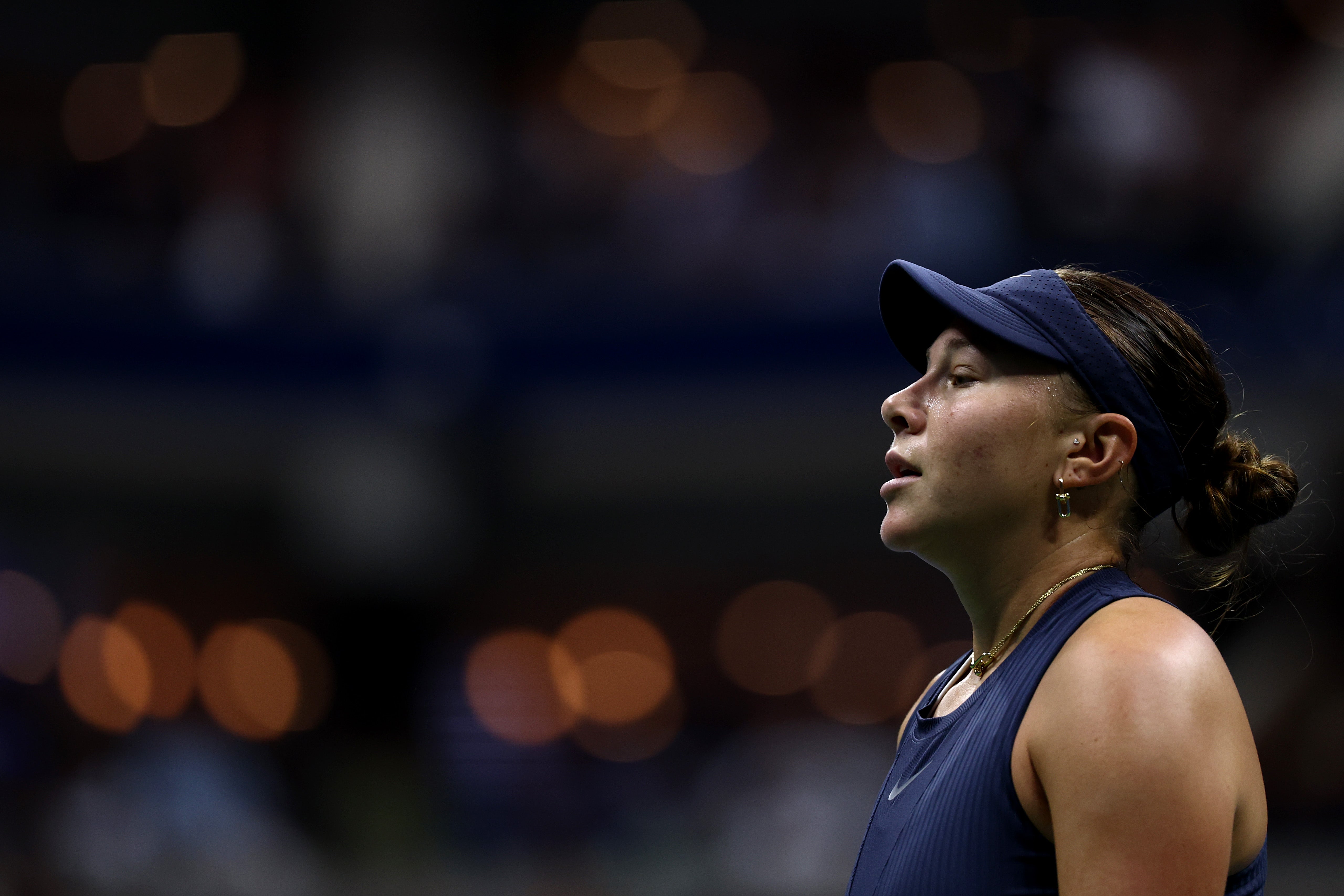
Her 2026 has not quite been the same story. It has been a tumultuous first half of the year for the 24-year-old, who parted ways with coach Hendrik Vleeshouwers in March, a little under two years after they joined forces. A left wrist injury meant she missed two months of the clay season, making her return at the French Open, when she lost in the third round, the rustiness evident. She could not back up her run to the Queen’s final last year, losing to Iva Jovic in the quarter-finals.
 open image in gallery
Rather than being one of the tour’s form players going into Wimbledon, she is once again in the position of building herself back up after setbacks. Despite being the sixth seed her indifferent season to date means there will be less pressure on her shoulders on the grass, where she faces a qualifier in the first round and could play two compatriots and former grand slam champions, Sofia Kenin and Madison Keys, in the second and third rounds. It gets no easier from there, with 2022 Wimbledon champion Elena Rybakina her seeded quarter-final opponent.
Replicating a breakout season at the top of the sport is almost as hard a task as breaking through in the first place – as the career of Jasmine Paolini, two-time major runner-up in 2024, demonstrates. But for a player of Anisimova’s luminous talent it is to be expected that she will find her feet again. Her talent is one thing – but the way she has processed countless setbacks and reaffirmed her self-belief may be her biggest weapon on court.
She said after reaching the US Open final: “I think I have really worked on myself to really be able to handle those moments and to believe in myself, even when it feels like ‘what is there to believe in’, when you’re not playing that well.”
Last year’s Wimbledon final was a pivotal lesson. Regardless of whether she can reach the same stage this year, that may be the ammunition she needs to put herself back in title contention over the second half of this sophomore season at the top.