


I’ve been spending time in some seriously high-tech new cars recently and I’ve come to a slightly odd conclusion: the technology I’ve been most impressed by is the stuff I’ve barely noticed.
That might sound strange when car makers seem determined to tell us how many processors their latest model has, how much computing power is buried somewhere beneath the dashboard and how artificial intelligence is going to transform our lives. We’ve spent the past decade being told that more tech equals a better car, usually accompanied by an ever-bigger screen to prove it.
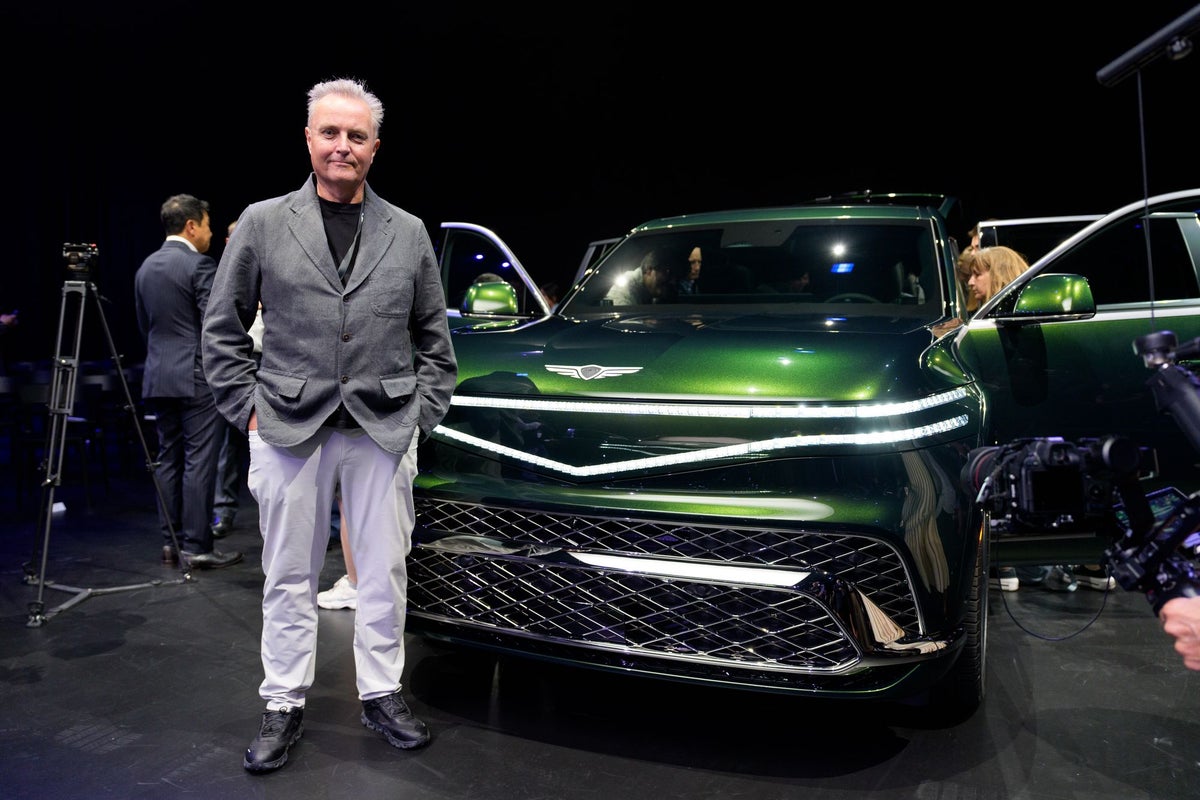
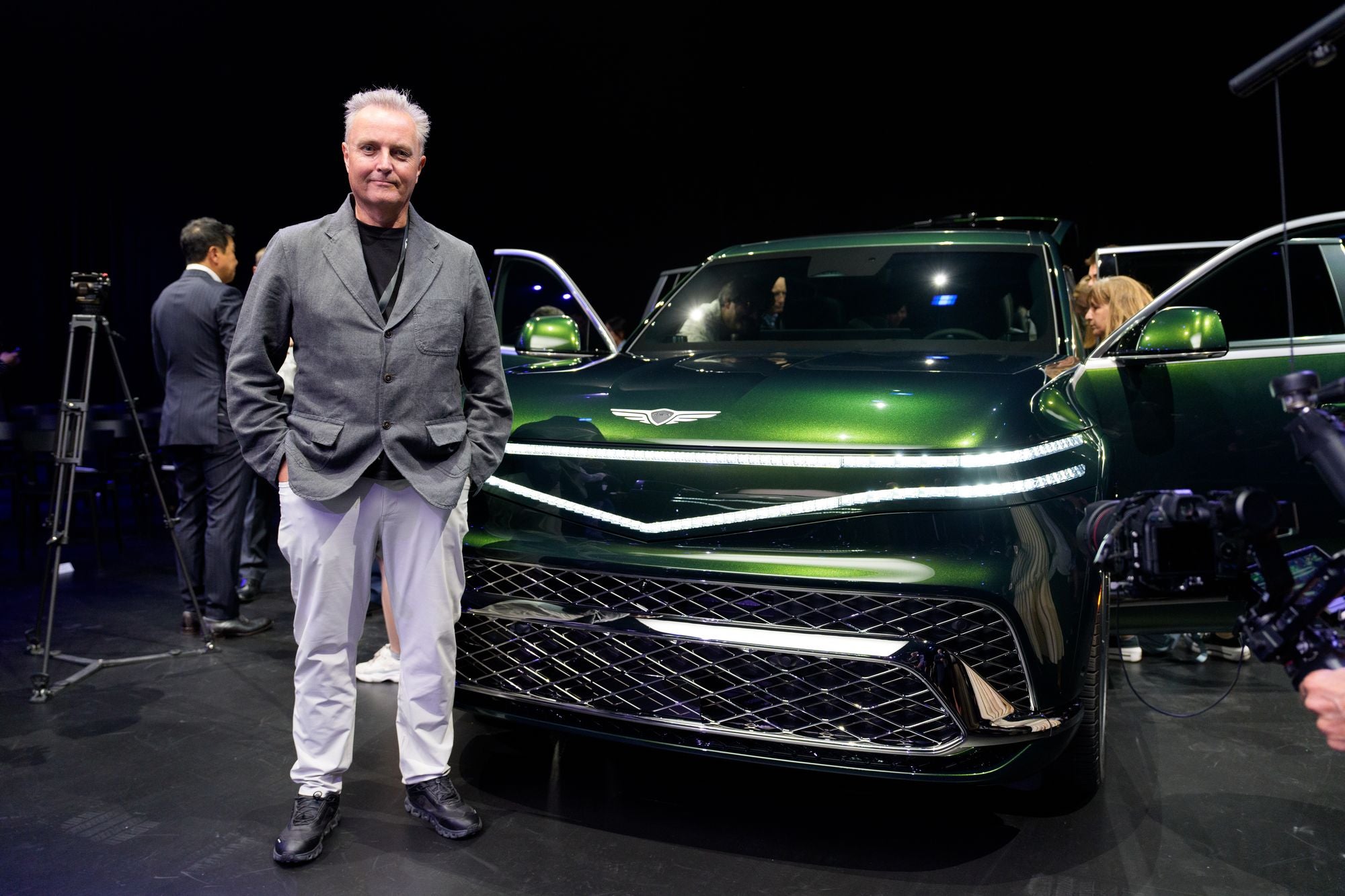
My recent drives in the new Volvo EX60 and, perhaps even more surprisingly, my first proper poke around the huge Genesis GV90 have reinforced that view. Both are incredibly sophisticated cars, and both contain technology that would have sounded like science fiction not that long ago. Yet what impressed me was how little either felt the need to keep reminding me about it.
Sign up for Steve Fowler’s DriveSmart newsletter here
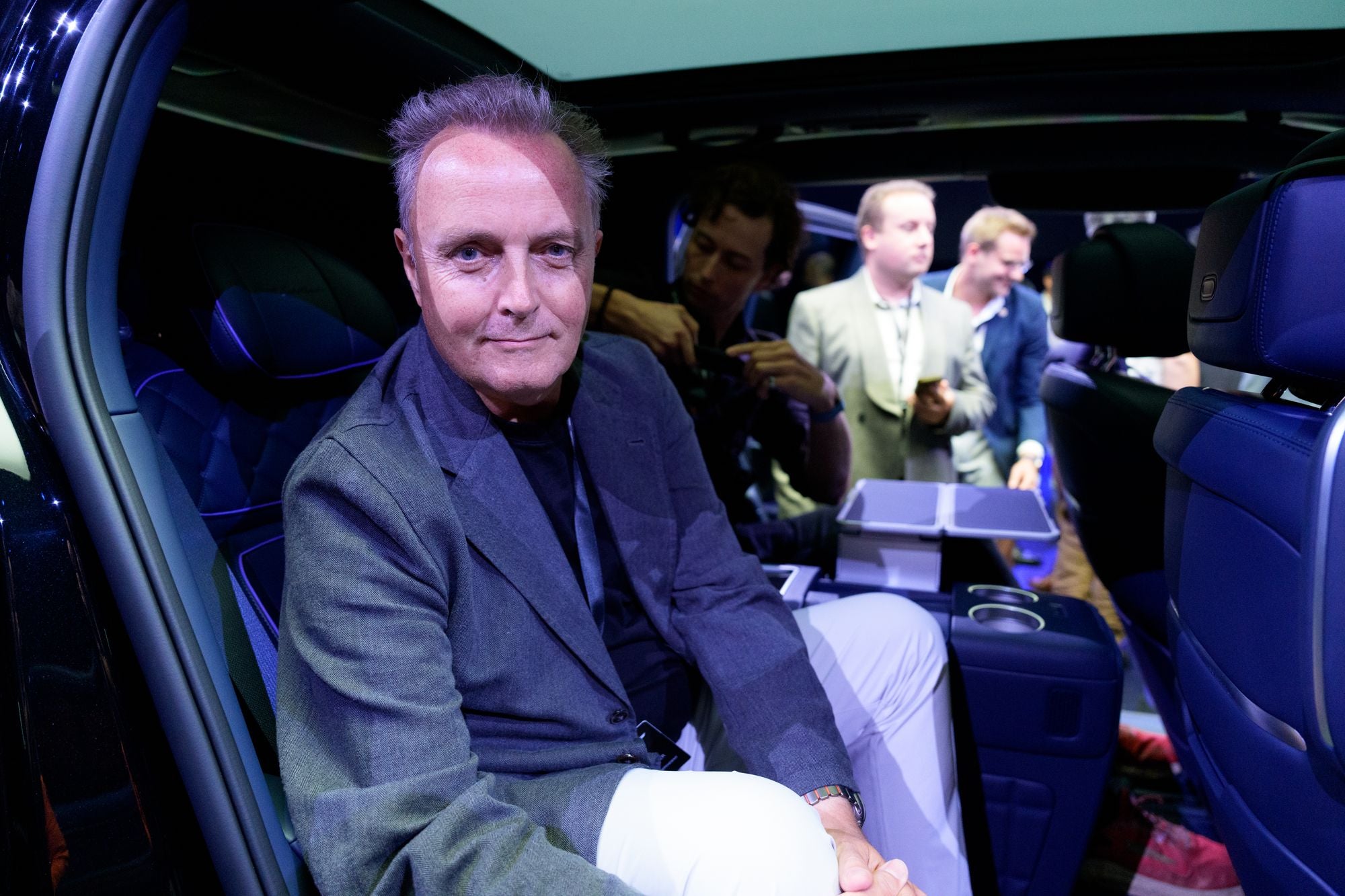
The Genesis was particularly interesting. There’s an enormous amount going on inside the GV90, but the cabin feels restrained rather than overwhelmed by technology. The quality and detailing caught my eye before the gadgets did, and I reckon that’s exactly how it should be in a luxury car.
I’ve currently got a Genesis and a Mercedes sitting on my driveway and, good though the Merc is, the Genesis feels a cut above inside. Part of that comes down to the materials and design, but part of it is simply that the technology hasn’t been allowed to take over.
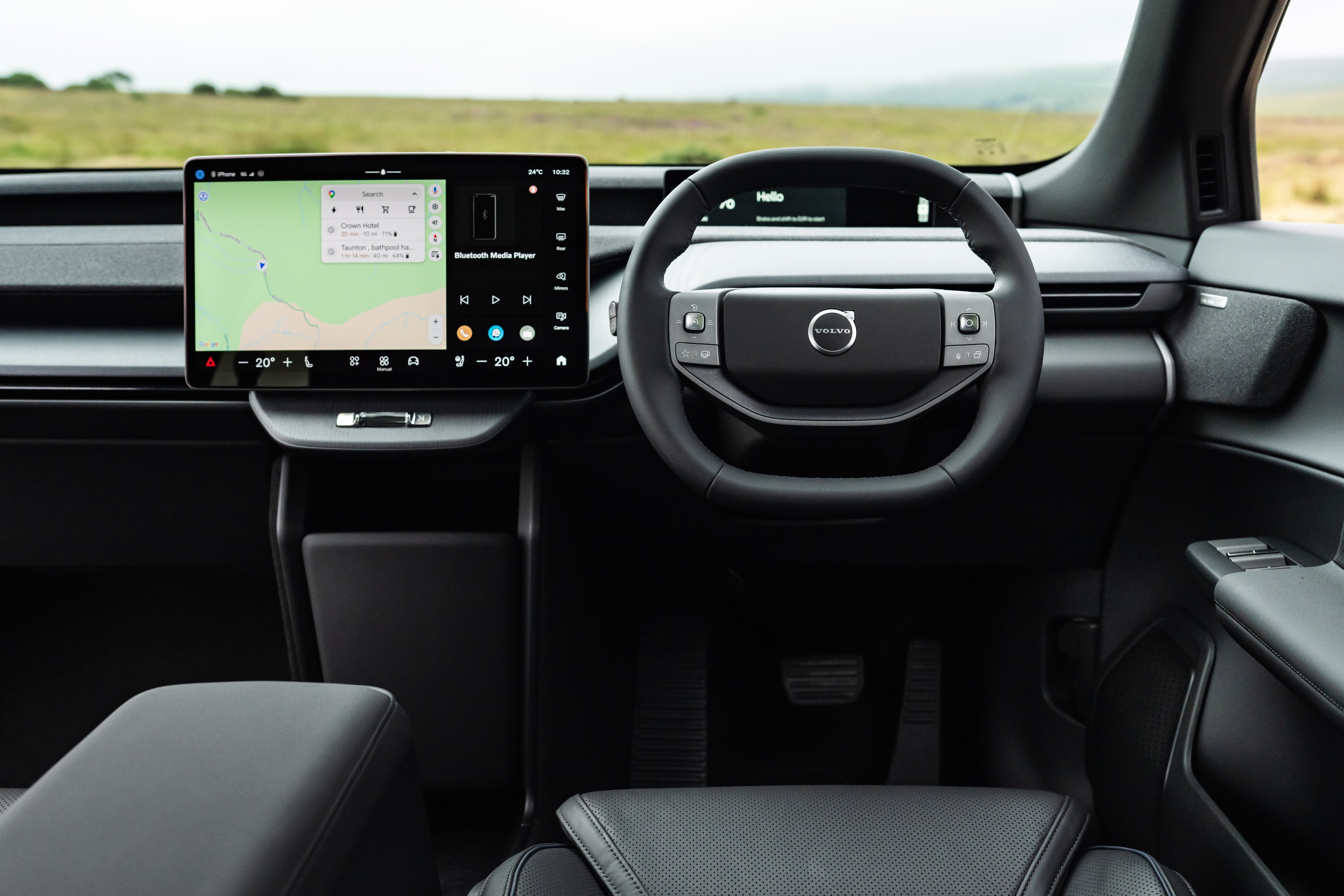
Volvo has gone even further with the EX60 that I’ve driven this week. This is arguably the most technologically advanced car the company has ever built, and one of the most advanced you can currently buy. It has Google Gemini AI at its heart, some immensely powerful computing hardware, sophisticated battery management and – as you’d expect from Volvo – some clever new safety systems. Yet you don’t get in and immediately feel as though you need to read an instruction manual. Things happen quickly, the systems work and, crucially, the car still feels like a Volvo.
 open image in gallery
There was a period when putting basic functions into a touchscreen seemed almost compulsory. Heater controls disappeared, physical buttons vanished and things that you could once do instinctively suddenly involved looking away from the road and prodding through two or three menus. Even opening a glovebox became an electronic operation in some cars. I’ve driven vehicles where adjusting the mirrors or changing the direction of the air vents requires more concentration than it should, and I still struggle to understand who decided that was progress.
Door handles may be the most extreme example yet. China has just launched its biggest-ever vehicle recall, involving around 4.3 million cars from manufacturers including Tesla, Xiaomi, Leapmotor, Xpeng and Geely, over concerns around emergency door releases. Hidden and electronic handles have become one of those visual shorthand cues for ‘futuristic EV’, but in an emergency the ability to get out of a car – or for somebody else to get you out – really shouldn’t require much thought.
There are perfectly good reasons for flush exterior handles, including a small aerodynamic benefit, but somewhere along the way appearance and novelty seem to have overtaken the most basic requirement of a door handle: it should open the door quickly, simply and safely. China has now decided enough is enough and new rules will require proper mechanical releases.
It’s a dramatic illustration of what can happen when manufacturers start with the question ‘what can technology do?’ rather than ‘what problem are we trying to solve?’
 open image in gallery
There are signs that buyers are reaching the same conclusion. A new US study from JD Power, involving more than 68,000 owners of new cars, found that some of the technology people appreciate most is the stuff that quietly gets on with making life easier. Smart ignition and climate systems went down well; complex driver assistance and extra passenger screens were much less convincing. More than a third of owners with a passenger display apparently hadn’t used it at all. That doesn’t surprise me.
I’m not remotely anti-technology – I’d happily describe myself as a geek, so I’m quite the opposite. Cars are safer, cleaner, more efficient, more comfortable and easier to live with because of extraordinary advances in technology – an engineer’s job is to make our lives better.
Electric cars are probably the clearest example. The way modern EVs manage their batteries, predict range, find chargers and precondition themselves before you arrive at one is fantastically clever. Most owners neither know nor need to know what’s happening in the background. They just notice that the car works better.
Safety is another area where the clever stuff often goes unnoticed. Modern cars are constantly using cameras, radar, processors and software to work out what’s happening around them. The best systems sit quietly in the background and only make themselves known when they’re genuinely needed. The worst seem desperate to bong, flash or tug at the steering wheel every few minutes.
AI could go either way. Every manufacturer currently wants those two letters somewhere in its presentation, but I don’t particularly care whether my car uses artificial intelligence. I care whether I can ask it to do something in normal English without having to remember the exact phrase somebody in a software department decided I should use.
That’s why Google Gemini in the Volvo interests me. The clever part isn’t that Volvo can put ‘AI’ in an advert. It’s whether I stop thinking about voice control altogether because talking to the car becomes as natural as talking to a passenger.
 open image in gallery
And perhaps that’s where the motor industry is heading next. We’ve had the period when technology needed to be visible because manufacturers were desperate to demonstrate progress. Now that the technology is becoming more sophisticated, the cleverest designers and engineers seem increasingly happy to let it disappear.
There’s something rather reassuring about that. There’s enough stuff competing for our attention when we’re in a car – like driving.
Give me all the computing power you like. Fill the car with clever software, AI and safety systems and let it improve itself while it’s sitting on my driveway overnight. Just don’t make me think about any of it when I want to turn the heating up.
As always, I’d love to know what you think on this subject. Do you agree with me that we’ve reached peak screen? And is voice control the answer? Let me know by clicking on the link below to send me an email.
Sign up for the DriveSmart newsletter
To get the latest motoring insights from EV editor Steve Fowler delivered straight to your inbox, simply enter your email address in the box at the top of this page.
Each edition of DriveSmart offers clear, expert guidance on the fast-moving world of electric vehicles and modern motoring, from trusted reviews and practical tips to the biggest industry news of the week.
You can also head to our newsletter preference centre to sign up for the email.