


What about a hexagon?” is the sincere response that comes from Karen Brockman when her grandmother tells her a woman can be any size or shape she wants in the third season of Outnumbered. “Can they be a triangle?”
As much as diet culture was alive and well in the 2010s, the family sitcom was, of course, joking. Cut to 2026 and it feels like it somewhat predicted the future.
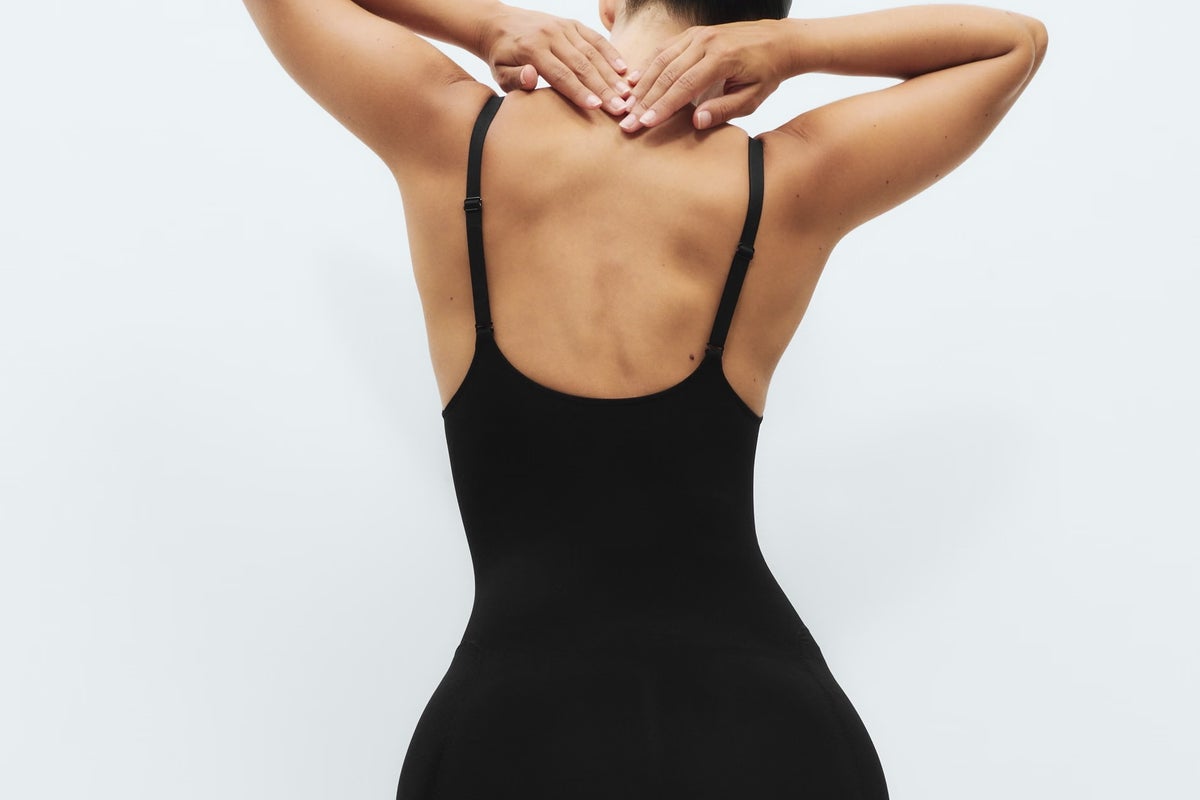
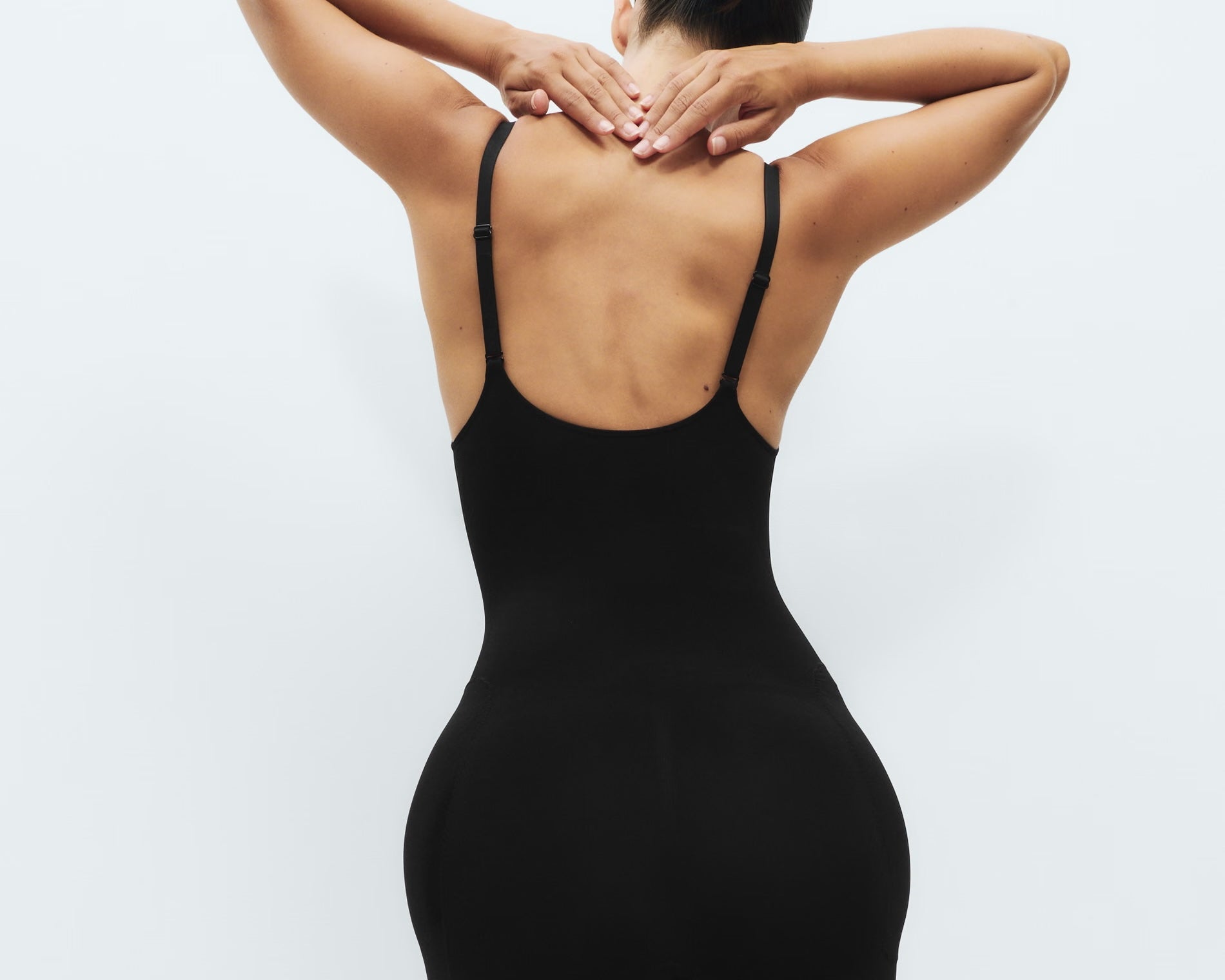
Last week, Marks & Spencer – a trusted brand for women to find hosiery and underwear – followed in the footsteps of Kim Kardashian’s shapewear brand Skims to offer a “hip boost” bodysuit.
Essentially, a leotard with slits to stuff full of padding to give the wearer a surgery-free brazilian bum lift (BBL) that follows in the footsteps of M&S’s stick-on nipples – and padded bum shorts.
So, yes. A woman can be any size or shape that she wants – more so than ever before. Stick a nipple on here, boost your bum up there, or vanish almost entirely with GLP-1’s. Whether through surgery or shopping, bodies are marketed as malleable, and as such, everything from big boobs and big bums, to clavicles and collar bones are a cyclical fashion trend.
Curves for autumn! Ribs for spring!
Nothing exemplifies the periodic shift in what’s considered (as Marks and Spencer say in their marketing materials) the “perfect shape” as well as attempting to pad a bum back on to a smaller frame. This is a frankenbody, designed to make those after it strive – with both their money and their minds – after something entirely unnatural.
Down the surgical route, you can even get so-called zombie filler; a dead person’s fat pumped into your body to bring some of the plump back.
 open image in gallery
From a business perspective, the high street is more than happy to follow fashion’s lead. Thin has increasingly become “in” again, with smaller Hollywood physiques increasingly present and plus-size representation making up just 0.3 per cent of FW26 looks. In a recent report, it was predicted that one in eight Britons will be on weight loss drugs by 2027.
For those not on the jabs, this national shrinkage can present logistical challenges, as the high street’s stock of plus-sized clothing is scaled back.
Comparing listings for new dresses this July and August to 2024, retail data platform Edited found that there are now fewer styles above a size 18 available, particularly in the largest sizes of each style. At M&S, new dresses in an 18 or above fell by seven per cent. And while John Lewis had more plus-sized dresses available than the year before, the largest sizes made up three per cent less of its range.
 open image in gallery
Edited also found that H&M had discontinued its 3XL and 4XL sizes (22-24 and 24-26) since 2025, while XXL was down three per cent from 13 per cent in 2025 and XL was two per cent lower, while sizes between XS and L had risen by three per cent. Meanwhile, Mango’s dresses between size 16 and 20 dropped from 6.6 per cent in 2025 to 0.5 per cent in 2026.
Both H&M and John Lewis said in a statement at the time that their selections reflected customer demand. Meanwhile, an M&S spokesperson denied their sizing decisions were driven by GLP-1s.
There may well be people in the world with a naturally snatched waist and boosted hips somewhere – but the bodies we see most commonly on our screens are working harder than ever to appear that way.
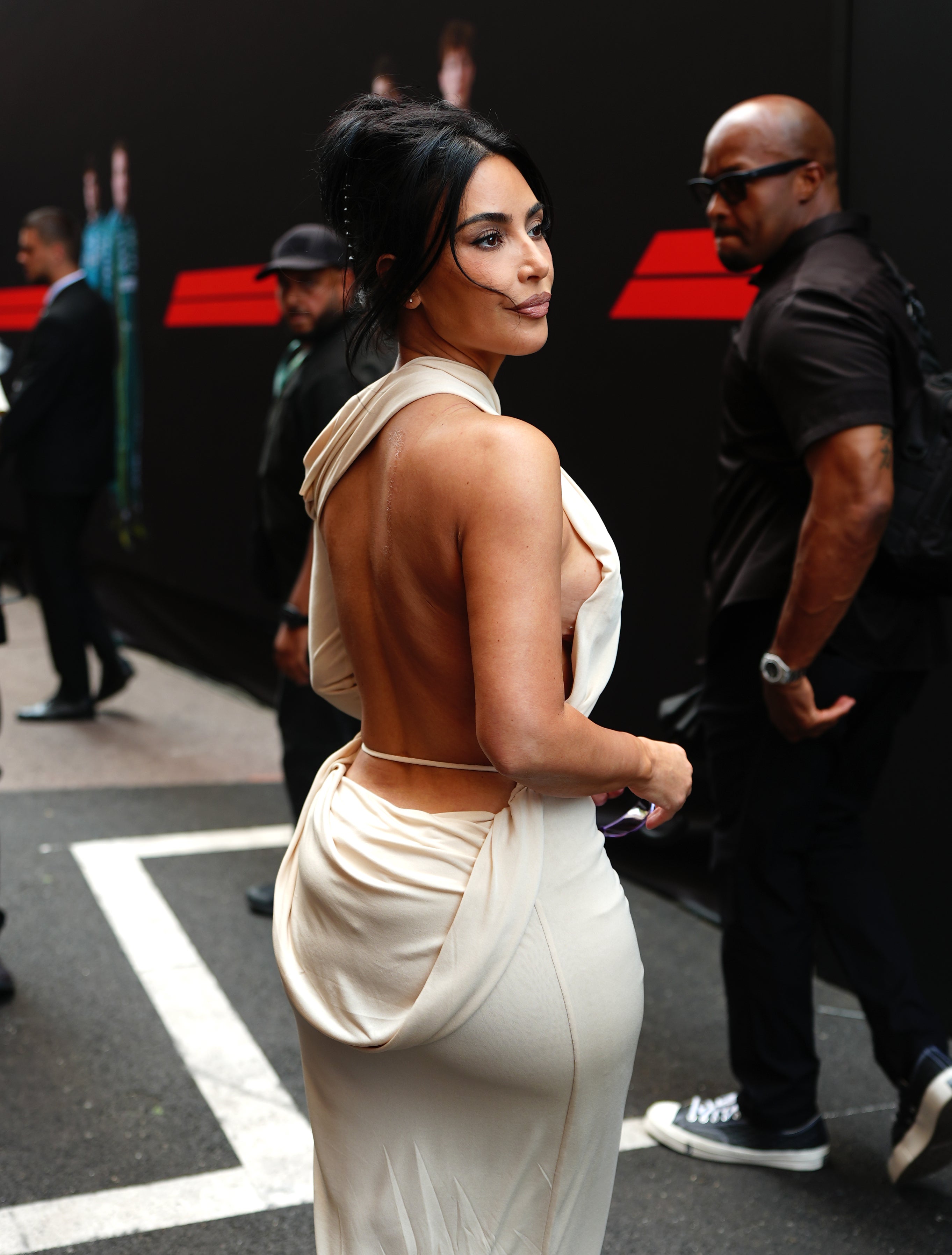
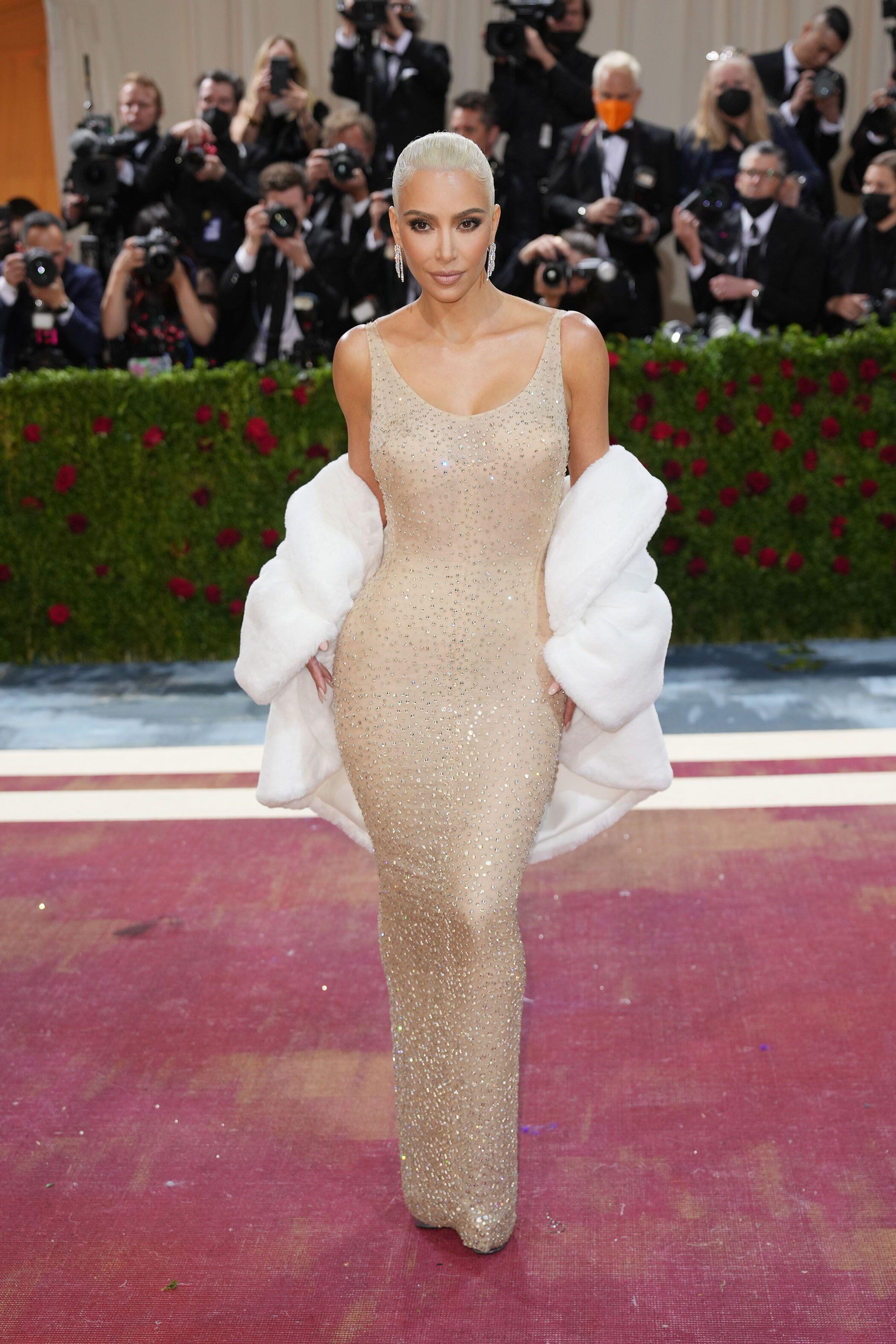
Four years ago, Kim Kardashian was squeezing into Marilyn Monroe’s archival dress by wearing a sauna suit to lose weight. Last May, she arrived at the Met Gala with a fibreglass breast plate accentuating the breasts, waist and hips she’d worked day and night to shrink.
 open image in gallery
Body shapes are nothing new. Anyone with a media diet of women’s magazines, Trinny and Susannah and Gok Wan knew the difference between pear, hourglass, and apple – and which swimsuits suited them – before hitting double digits. But, at least, they were somewhat based on something near to a woman’s body, rather than a work of contortion.
The cycles, it seems, only continue to keep spinning more swiftly; fast fashion for the flesh that women, famous or not, struggle to keep up with. Writer and body image content creator Stephanie Yeboah has expressed frustration at the fashion industry for satisfying the “nostalgia for curves” through design, rather than “rejecting thinness outright”.
“As someone who lives in a bigger body, this ‘trend’ is frustrating to watch play out,” Yeboah told Marie Claire when asked about the AW26 shows that employed corsets and padding to create shape on slender models.
“Fashion wants the idea of my body — just not my actual body. It feels like curves are being aestheticised at the exact moment they’re being erased, which is a contradiction in and of itself,” Yeboah said.
The industry, she added, wants things both ways: to sell “the fantasy of femininity and shape” while maintaining the preference for thinness.
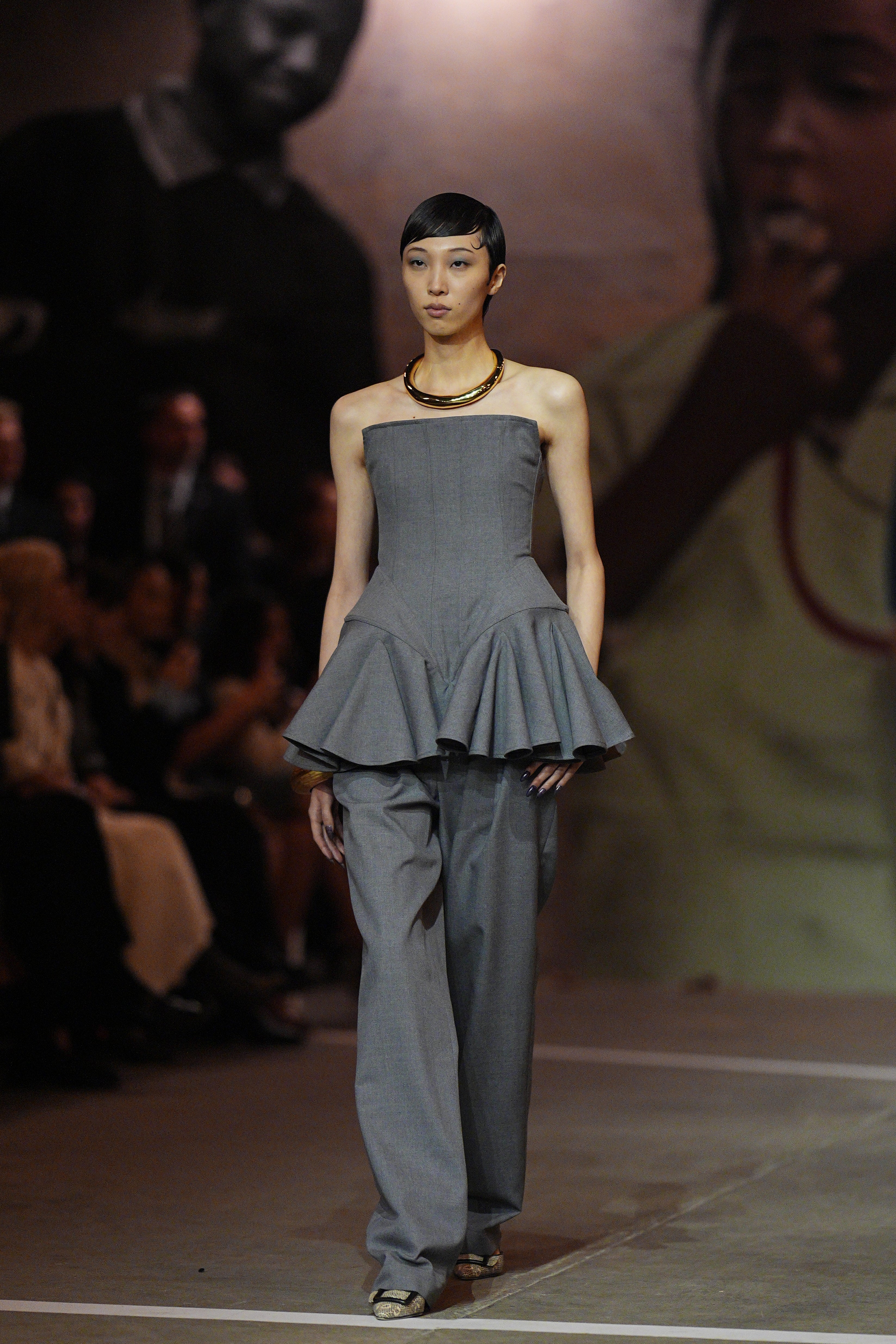 open image in gallery
Half a year on, it’s clear that trend has trickled down to the high street.
“It’s a moving target of perfection, so women can never be comfortable in their body” says Dr Martine Robson, psychologist and co-author of Postfeminism and Body Image. “It looked like liberation, when there was suddenly a lot more representation of different body sizes and shapes.
“But in a way, it was still the same old story: that women are the wrong size, shape, appearance — but we can sell you the solution.”
“It’s political,” Robson concludes. “If you give women an impossible task, and get them really engaged in that, then you keep them out of the other spheres of life, don’t you? There’s only so much energy to go around.”
And there is no such this as the perfect shape.