


Grocery price inflation has fallen back sharply to its lowest level for nearly two years as shoppers increasingly turned to chilled finger foods in the summer heatwaves, according to new figures.
Supermarket prices rose by 2.1% in the four weeks to August 9, down significantly on the 2.6% the month before and the lowest rate since October 2024, figures from Worldpanel by Numerator show.
But shoppers spent less on groceries, after the World Cup football fever boosted sales in the previous month, at £410 on average over the four weeks – £14.24 less than the last period.
Households also made use of supermarket promotions to help reduce costs, with 31.3% of sales including a deal in the last month – the highest level this year.
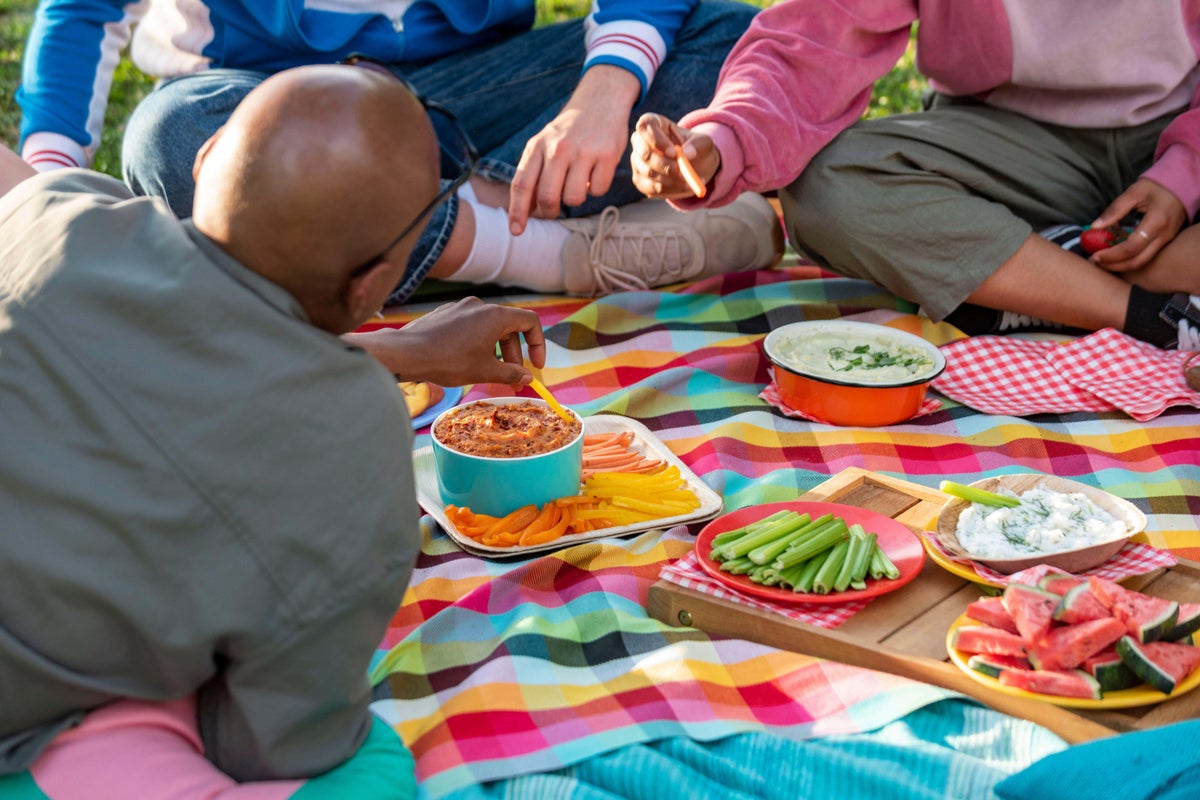
More heatwaves in the month impacted shopper baskets and trends, with chilled, picnic and finger food ranges performing well, while the report showed households were pushing back dinner times to after 8pm to eat in cooler temperatures.
Sales of dips jumped 23.3%, with a 23.1% rise for coleslaw and 22% increase for potato salad, while chilled finger foods rose by 15.2% and ice cream and sorbet sales surged 26.1%.
Demand for frozen fruit rocketed, with sales up 48.1%.
Sun cream sales also soared in the hot weather, up 58.4%, with the strongest increase seen among those aged under 45.
Sally Ball, business unit director at Worldpanel by Numerator, said: “The continued heat across the UK has certainly impacted the way people are eating and drinking.
“Earlier this summer we saw that mealtimes were being pushed later in the day, with 13% of evening meals now eaten after 8pm.
“Shoppers have been trying to stay cool this month, with soft drinks growing 15.1% in spend, while the freezer aisle saw shoppers stocking up on ice cream, sorbet and frozen fruit to beat the heat.”
 open image in gallery
The latest figures showed prices were falling fastest for butter and spreads, smoothies and juice, as well as beer and cider.
But prices rose the fastest for fresh fish, skincare and shampoo.
The data revealed online grocer Ocado enjoyed the fastest growth in the sector with sales up 13.1% and increasing its market share to 2.1% in the 12 weeks to August 9, up from 1.9% a year earlier.
Of the major chains, Sainsbury’s was the strongest performer, with sales rising 3.5% and its market share rising to 15.2% from 15.1%.
Morrisons was close behind with a 3.3% rise in sales, followed by Tesco with 1.8% and German discounter Aldi with 1.1%.
Asda pared back sales declines to a drop of 0.2% as it edged closer to growth.
The sales fall was the smallest since March 2024, though its share of the market still dropped, to 11.5% against 11.9% a year ago.
Lidl gained the most market share in the 12 weeks, at 8.8% from 8.3% a year ago after sales jumped 8.5%.