


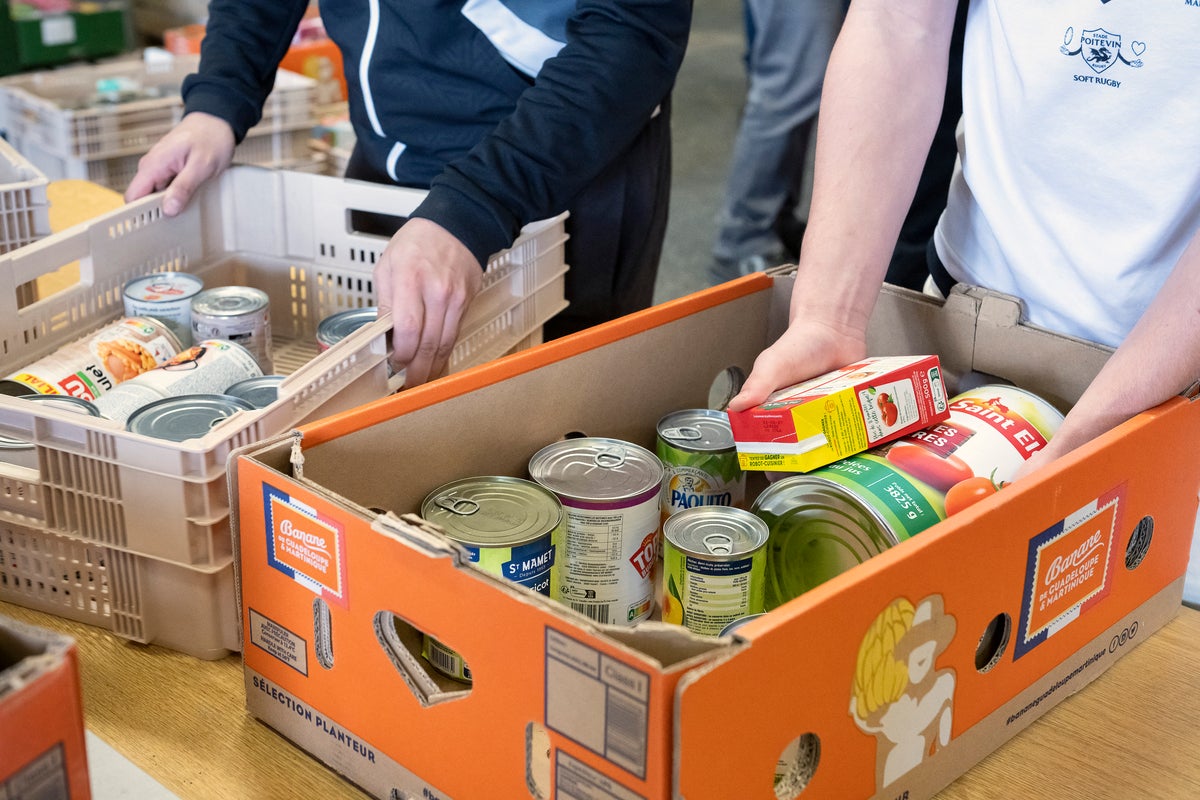
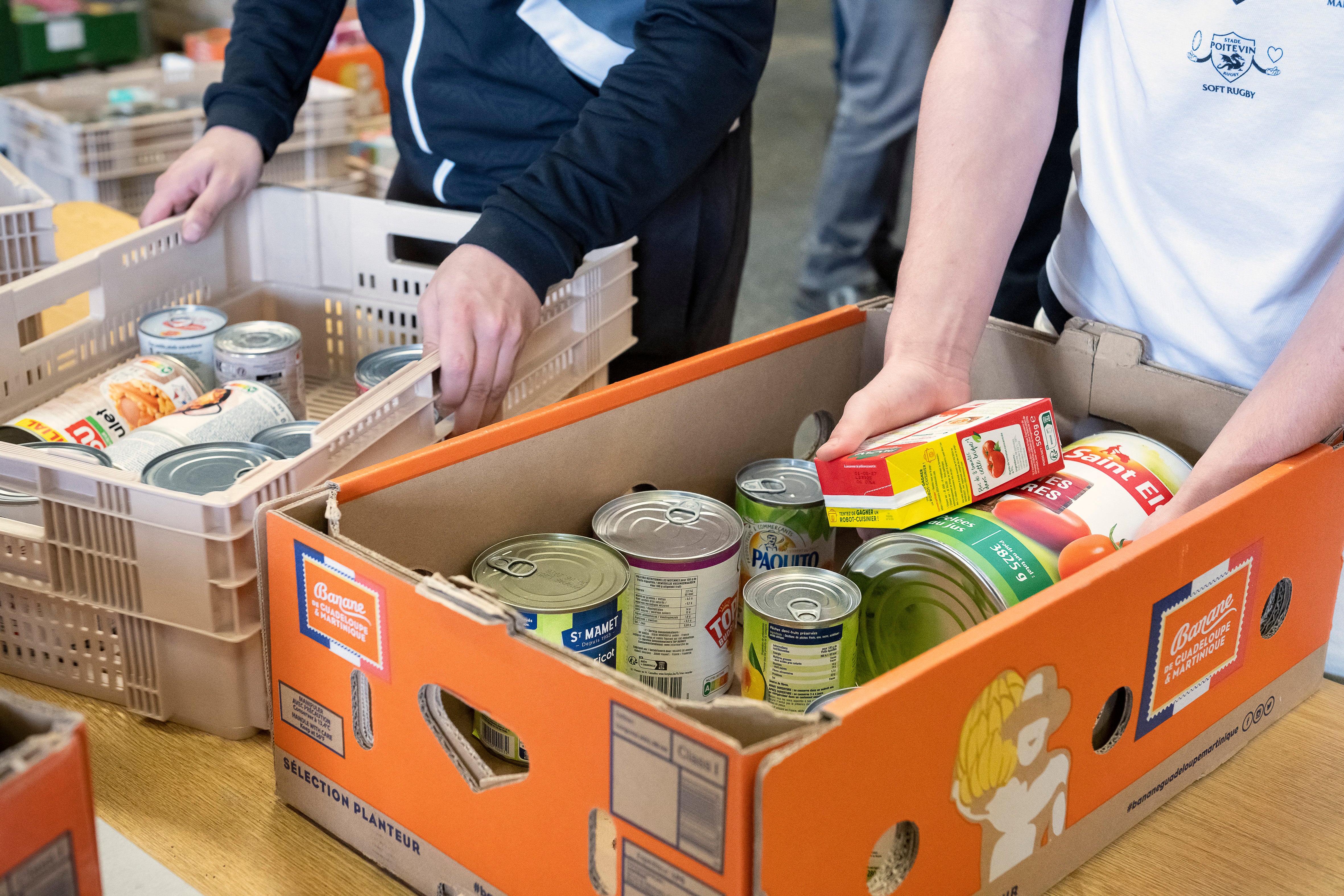
The government will tell households to stock up on tinned food and bottled water to prepare for extreme weather or cyber attacks on the country, according to reports.
The Financial Times reports Andy Burnham’s government is focusing on national resilience in the wake of threats from Russia and this summer’s heatwaves.
Russia said there would be “consequences” for Britain providing Ukraine with blueprints for British components used in the French-produced Scalp missile as Paris looks at setting up assembly lines for the weapon in Ukraine.
The country’s foreign minister Sergei Lavrov said his country had a right to regard the “direct involvement of British missile forces” as “participation in the war, with all the ensuing consequences”.
But in a speech outside Kyiv’s St Sophia cathedral on Monday, Mr Burnham vowed he would not be deterred from providing aid to Ukraine.
According to the FT, the government is accelerating work on its “war book” – a manual for the defence of the nation against external threats – as well as a social media campaign with advice to help people to deal with the impacts of extreme weather, such as the heat waves which have hit the country this summer.
A source told the newspaper: “There will be practical advice on things you can do to improve domestic resilience, like having some bottled water and tinned food. It will be common sense, not scaremongering.”
The Independent has approached the Cabinet Office for comment.
Earlier this month, The Independent reported analysts warned extreme heat and ongoing droughts are putting Britain at risk of its “worst food security crisis in decades”.
The knock-on impact of five heatwaves and prolonged dry conditions could destroy farmers’ harvests, leading to food shortages later this year and increasing reliance on foreign imports, according to analysts from the investment bank Shore Capital.
The National Farmers Union (NFU) warned the situation is “increasingly concerning” and that dairy farmers are already using winter feed because grass has stopped growing.
Speaking to The Telegraph at the time, Shore Capital’s Akhil Patel and Clive Black said the recent extreme weather could ruin homegrown supplies and potentially drive up animal feed costs, leading to greater costs for consumers.
“The UK has not been so close to a food security challenge for many decades,” they said.