


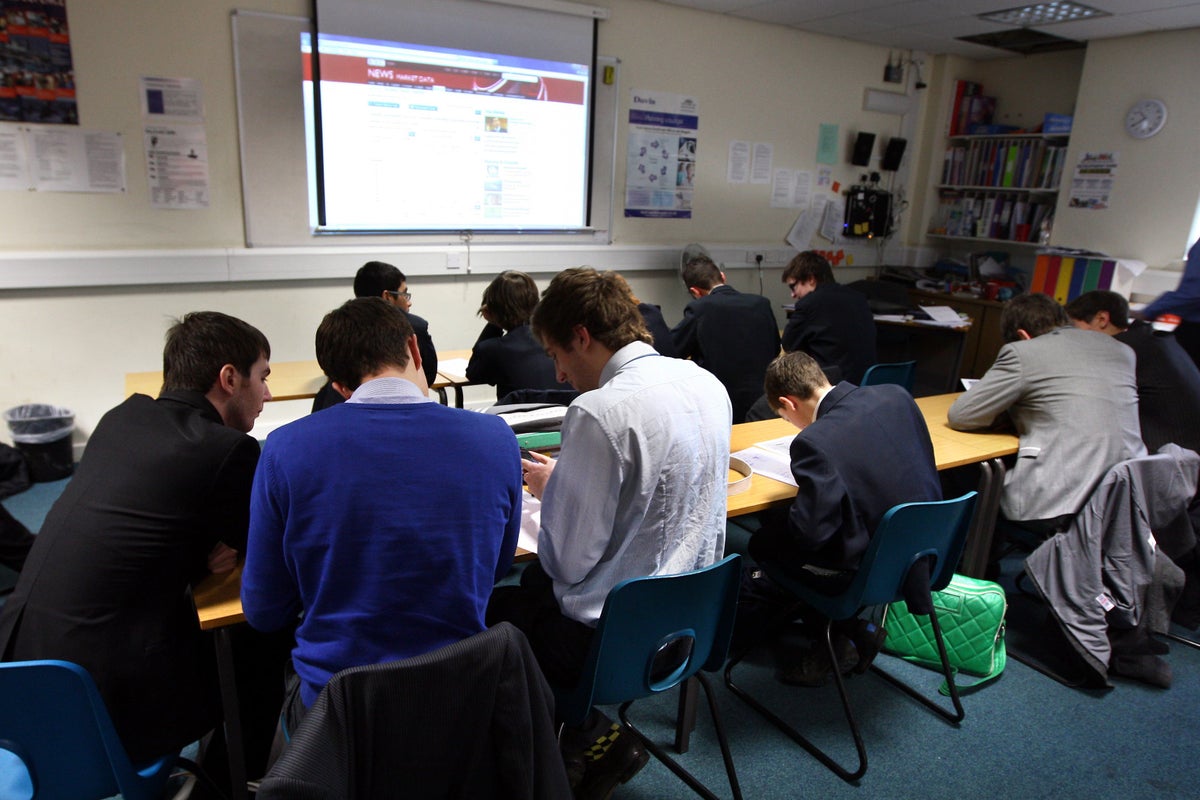
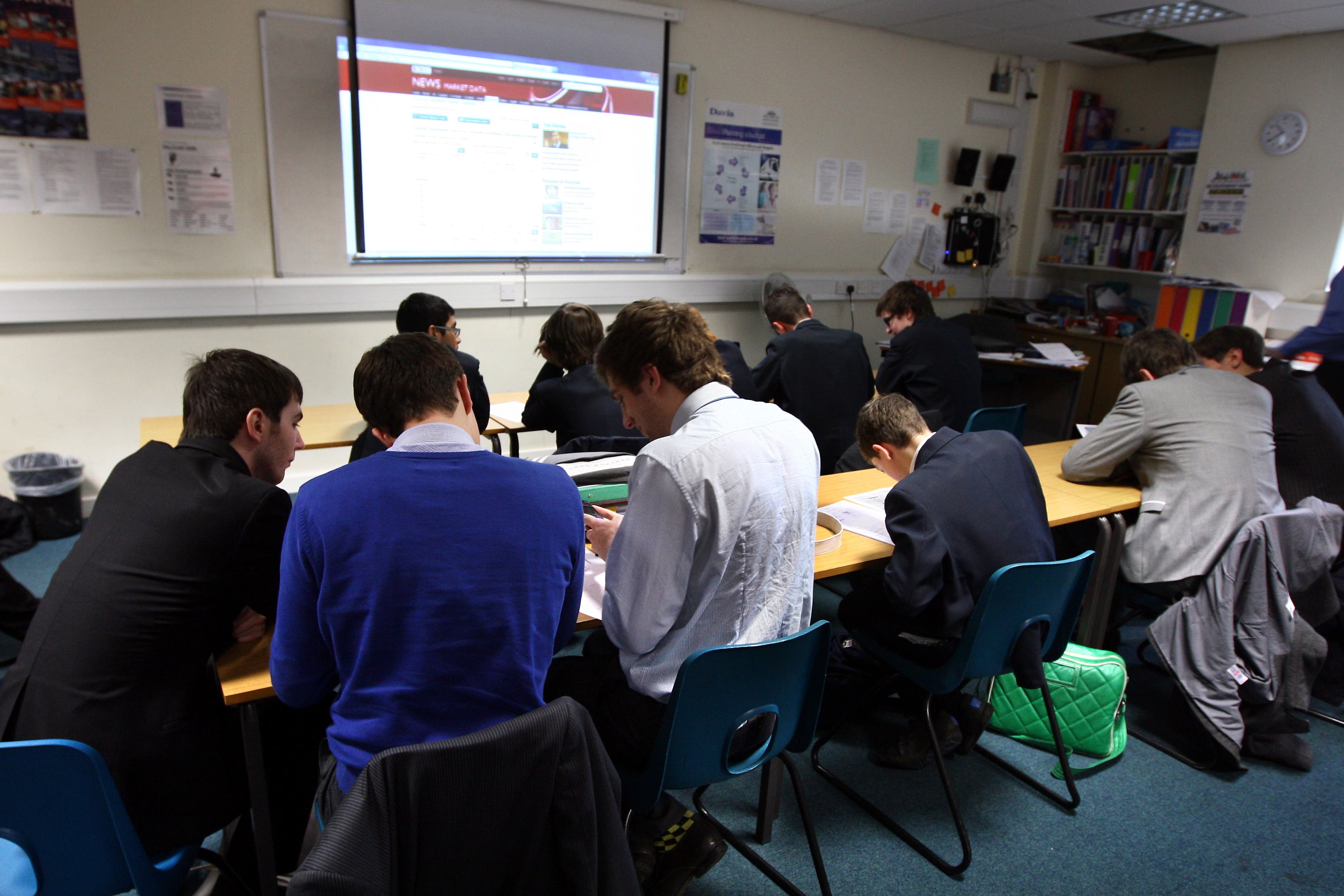
The government insists it is continuing to recruit extra teachers after being accused of “making a mockery” of its promise.
Department for Education (DfE) figures released on Thursday showed the number of all teachers in state-funded schools in England, excluding further education settings, fell by around 1,900 in a year.
There were 466,372 teachers in November 2025, down from 468,279 at the same time the year before.
Daniel Kebede, general secretary of the National Education Union, said: “Overall teacher numbers are down by 1,900, making a mockery of the government’s promise of 6,500 extra teachers.
“The government risks squandering the opportunity that falling pupil numbers provides.
“It can continue its current course: failing to address the damage from years of underfunding, locking in high class sizes, leaving school staff burnt out and schools running on empty.
“Or it can begin to undo the harm caused by a decade and a half of neglect, create smaller, more inclusive classes and address the crisis in the system. There is no room for complacency.”
 open image in gallery
One of Labour’s manifesto targets was to recruit and retain an additional 6,500 teachers after it came into power in summer 2024.
The DfE said it is “delivering on that promise” and has met more than two-thirds of the pledge, recruiting 4,654 teachers since 2023-2024, including 978 more secondary teachers, 2,030 more special school teachers and 1,646 more in further education.
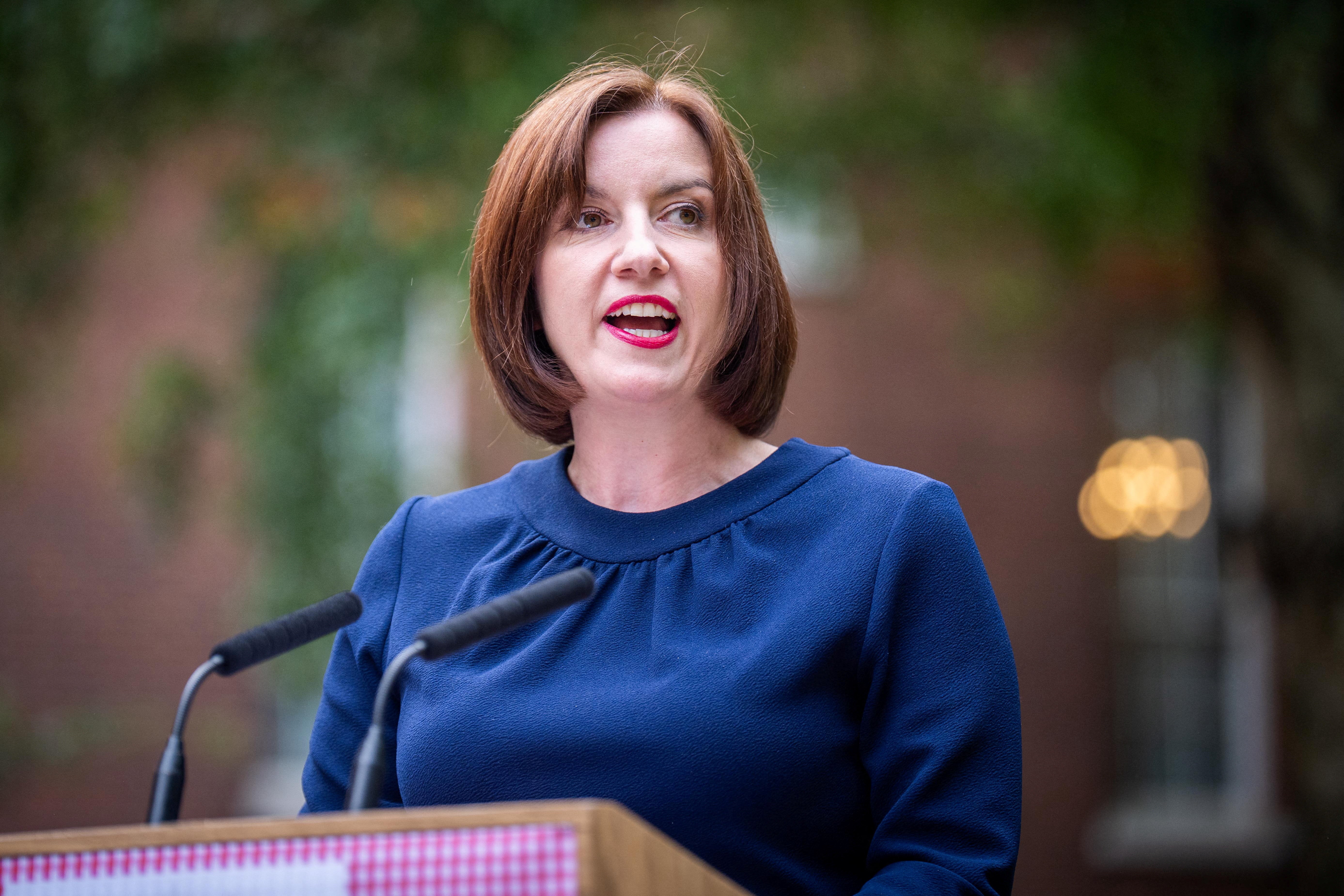
Education secretary Bridget Phillipson said: “We’re making real progress where it’s needed most: over two-thirds of our pledge to recruit 6,500 additional teachers has already been met, fewer teachers are leaving the profession than at any point on record, and more are choosing to build long, rewarding careers in teaching.
“But we know there is more to do. We will keep working to make teaching the valued, well-rewarded profession it ought to be — so that every child, whatever their background or need, has the brilliant teacher they deserve.”
The government clarified in April that the pledge does not cover primary schools or early years.
Jack Worth, from the National Foundation for Educational Research, attempted to explain the difference in figures.
He said: “The government chose the baseline for its 6,500-teacher target to be the November 2023 School Workforce Census (SWC), with the increase of 2,300 teachers captured in the November 2024 SWC counting towards the target.
“However, the Labour government only took office in July 2024, so it is highly unlikely that its policies could have had a meaningful impact on those figures.”
 open image in gallery
Teacher numbers fell by 1,907 between November 2024 and November 2025.
A breakdown of the data showed there were 2,857 fewer nursery and primary school teachers and 457 fewer secondary school teachers, but there was an increase of 1,127 special school teachers and 280 centrally employed teachers.
The falls reflected the context of a decreasing nursery and primary pupil population and the start of a decline in secondary pupil numbers, the DfE said.
According to pupil population figures, between January 2025 and January 2026 there were 1,567 fewer nursery pupils, 84,611 fewer primary pupils and 11,919 fewer secondary pupils.
But there were 8,208 more children in special schools – both state-funded and non-maintained settings.
The DfE said the government is “rebalancing and targeting investment where it is needed most”.
Paul Whiteman, general secretary at school leaders’ union NAHT, said: “These figures show a mixed picture on recruitment and retention, but the reality is that many primary and secondary school leaders are still struggling to hire and retain the staff they need. With the best will in the world, this inevitably impacts children’s education.
“These difficulties pile more pressure and workload onto teachers and leaders who remain in post, and can lead to unsettling use of supply teachers and non-subject specialists, larger classes, and less time to support pupils who need more help, including children with special educational needs.”
Laura Trott, shadow education secretary, said: “This is another broken promise from Labour and only piling more pressure on state schools. A government more focused on outcomes than headlines would recognise that this approach is not working.”