


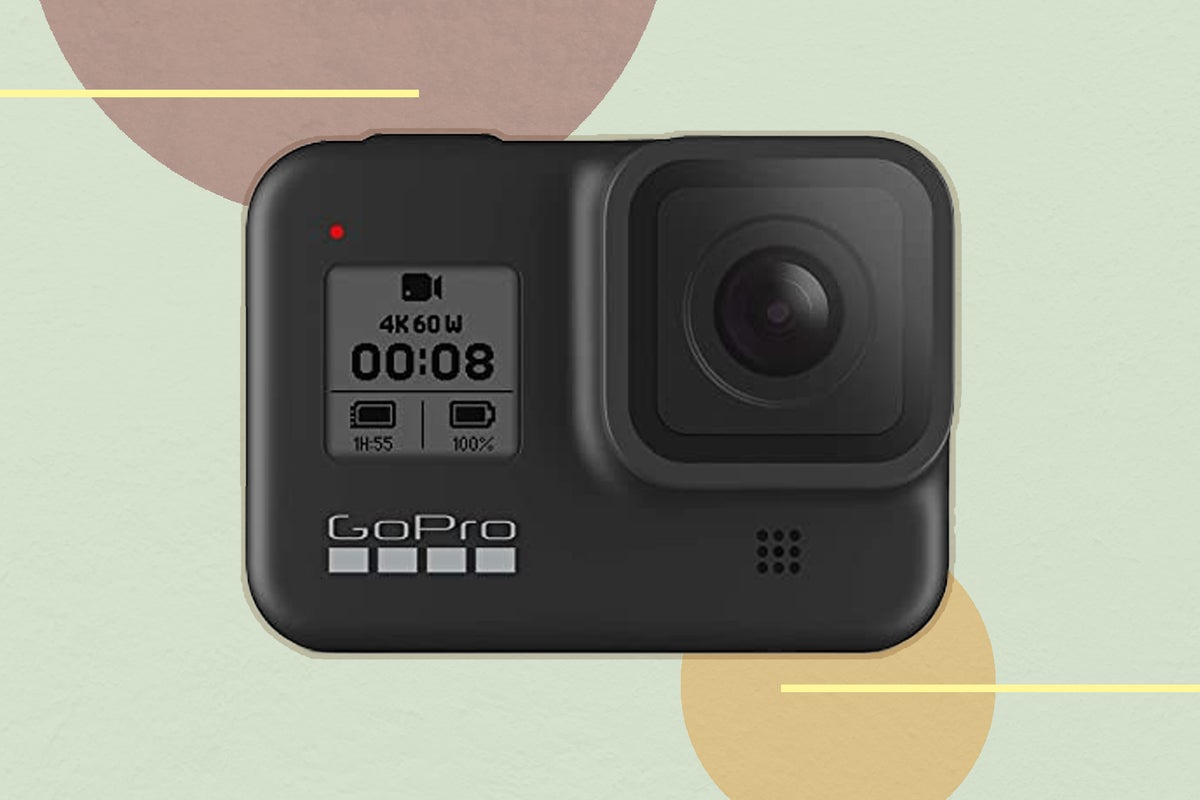
GoPro has been bought – and it appears to be turning into something very different.
The company is best known for its action cameras, and the dramatic footage of extreme sports and other dramatic incidents that they have been able to capture. But in recent years it has struggled, with declining sales in large part because of an improvement in smartphone cameras.
Now, it will merge with tech company Starman Optical and seems to be attempting to focus on other, potentially more controversial products.
While it will continue to support its existing products, it will also move towards a “broader, diversified product roadmap”, the company said in a statement announcing the merger.
That will include using its cameras for “defence, government, robotics and aerospace”, it said, which suggests that the same technology could soon be put to military use.
GoPro had already said in April that it was exploring “new market opportunities for its technology within the defence and aerospace sector” as an attempt to solve its financial problems, though it gave few details on what form that might take.
“Advanced optics and imaging are essential to AI, national security, and the broader economy,” Starman chief executive Charles Tebele said.
Mr Tebele’s statement stressed the fact that much of that technology is made overseas, and that the merger would help allow those military capabilities to be manufactured in the United States.
Similarly, GoPro founder and chief executive Nicholas Woodman said that the merger would allow GoPro to “grow across consumer, commercial and defense markets as a leading American imaging and optical solutions company, addressing important areas of national security related to cameras, optics and AI infrastructure”.
Starman makes optical transceivers, which are used to turn electrical signals into light pulses and vice versa. Those products will be added to GoPro’s portfolio.
The merger comes just days after it emerged that Mark Fischbach, the YouTuber known as Markiplier, had acquired a 8.5 per cent stake in the company, valued at $9 million.
That had already provoked some controversy of its own, after he posted a video about the company’s cameras without disclosing his relationship with it.