


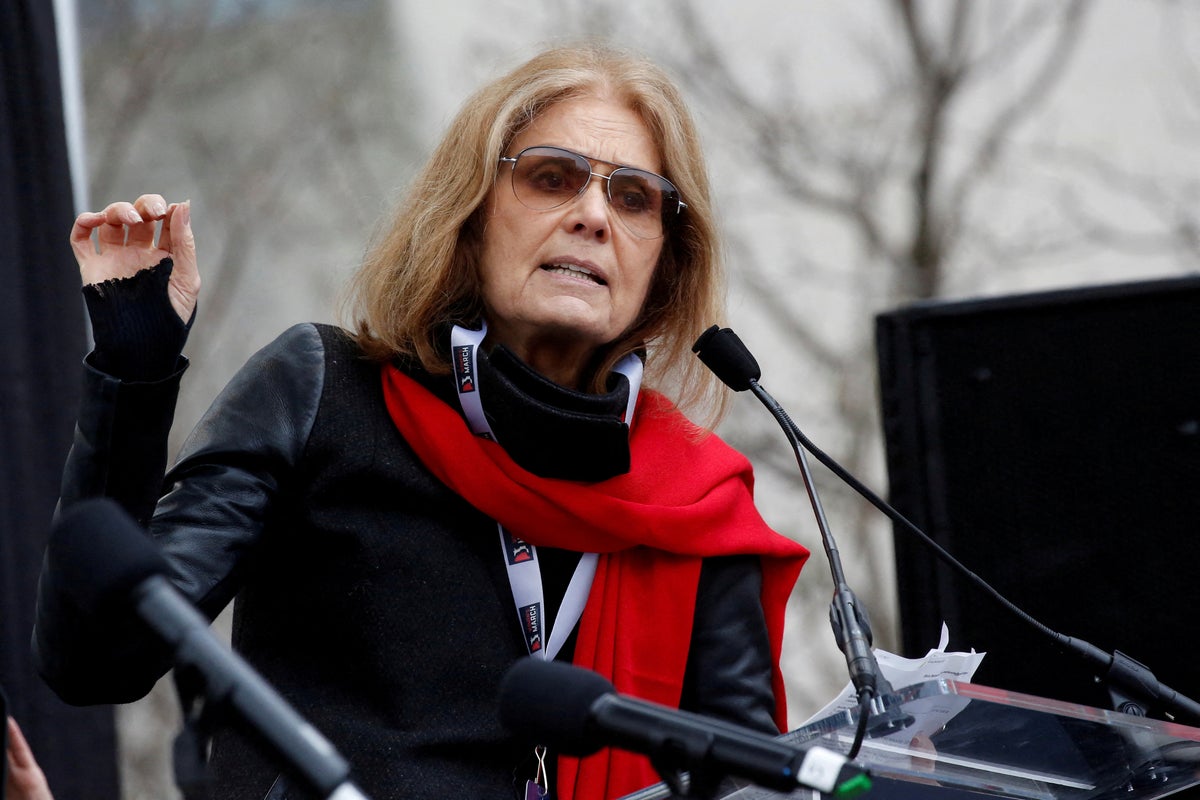
Gloria Steinem, the journalist and women’s activist who became an icon of the modern feminist movement, died Wednesday at 92 years old, her foundation announced in an Instagram post.
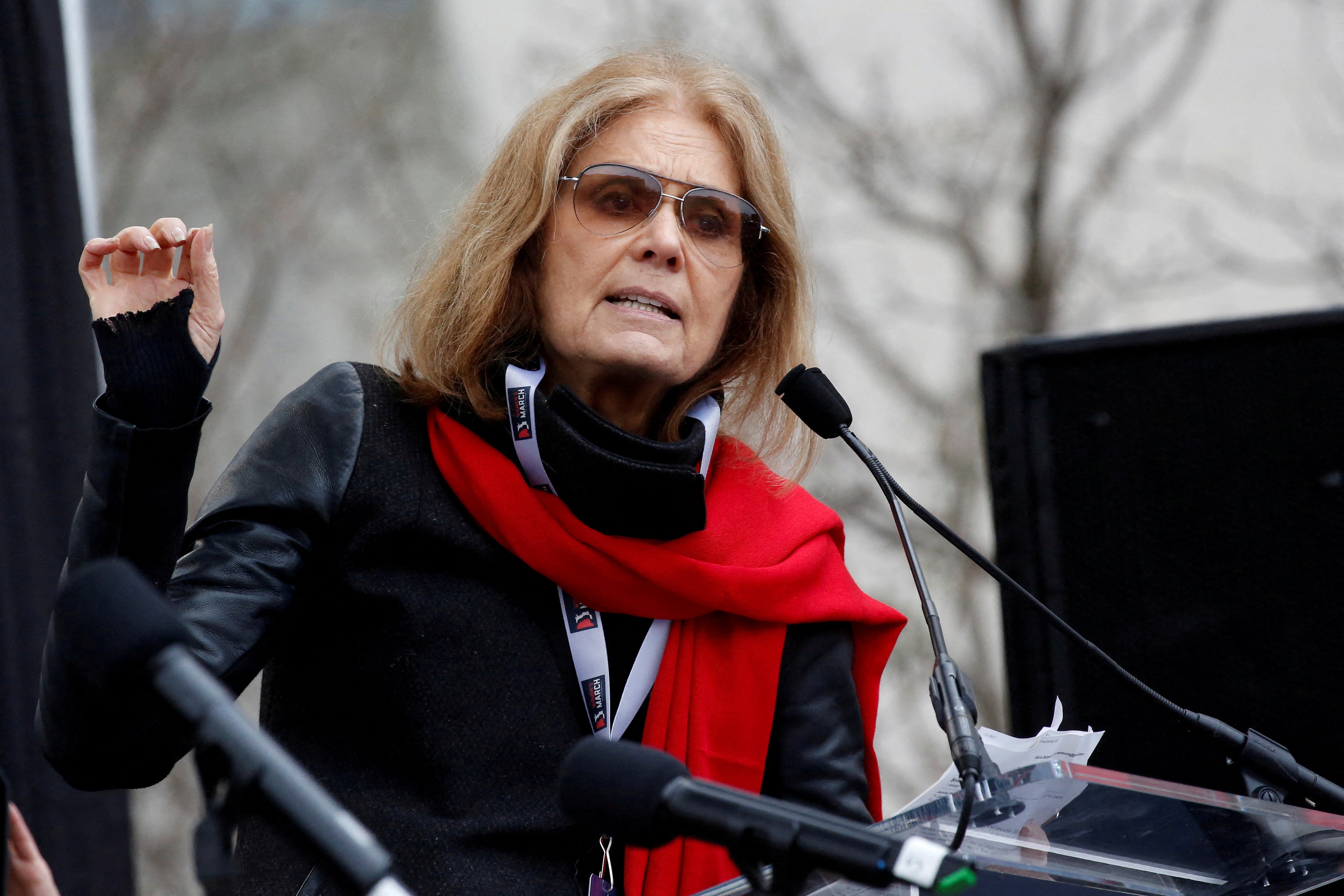
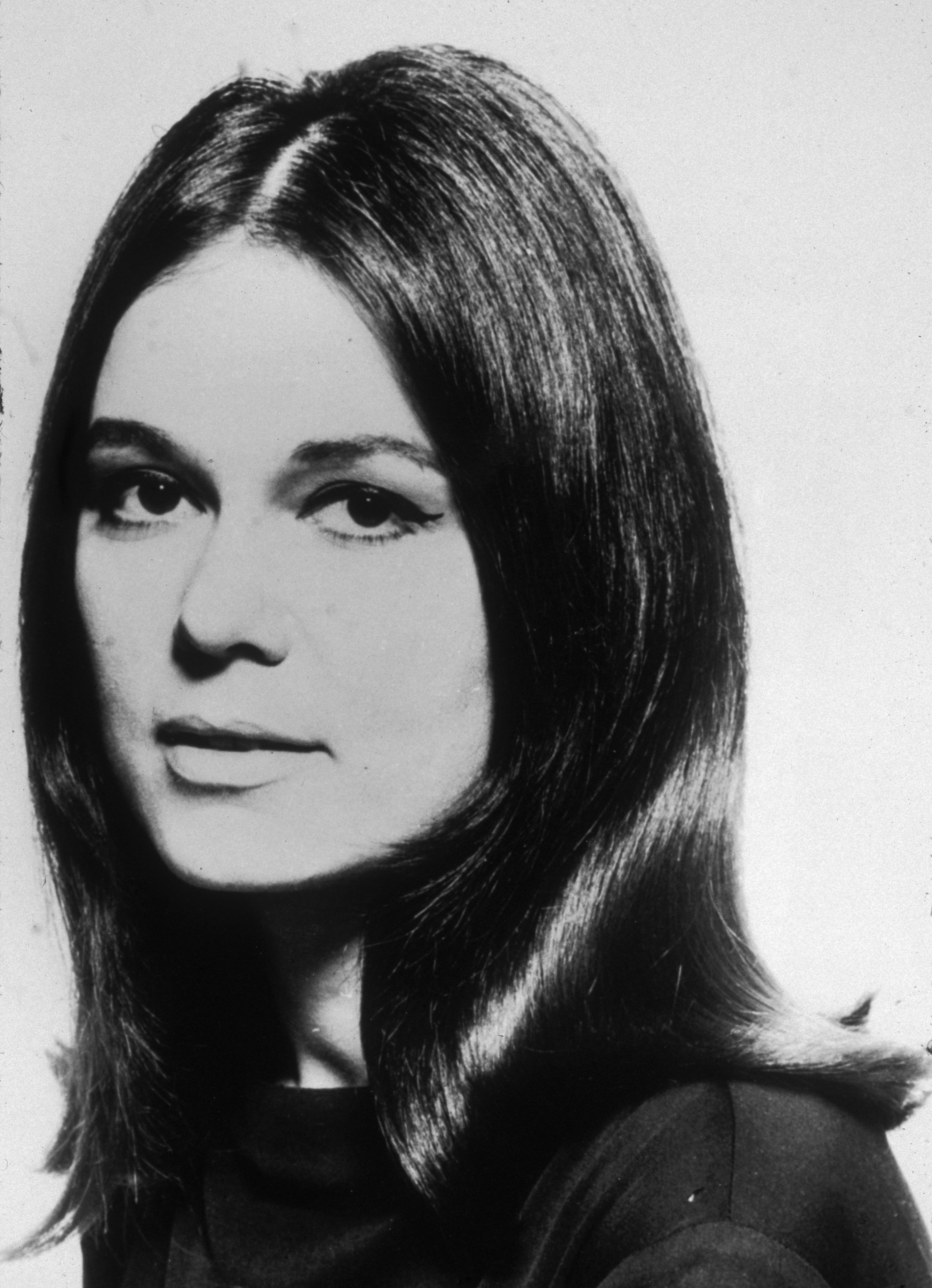
Recognized everywhere by her signature streaked hair, parted down the middle and large aviator glasses, Steinem was an unmistakable presence. She spent much of her life as an advocate, traveling and frequently speaking at universities, community centers, rallies and public marches.
“Gloria’s near-century on earth were years well-lived, and she continued working for equality until the very end,” the post read in part, her foundation wrote in the social media post.
“Gloria’s greatest gift was her ability to listen to others, to make others feel seen and heard. Her words, actions, and example gave people permission to be their truest selves. Gloria lived true to her independent spirit, always with curiosity and a great sense of humor.”
 open image in gallery
Steinem passed away at her New York City home, surrounded by loved ones.
Before becoming a dedicated activist, Steinem’s career originated in journalism. That included a 1963 undercover assignment exposing degrading conditions in Hugh Hefner’s Playboy empire – an effort she ultimately regretted.
Her focus shifted six years later during a meeting where women forcefully advocated for abortion rights.
True connection, she maintained, cannot be digitized. “You can’t do it on the phone or on the web,” she told The Associated Press in a 2015 interview. “You have to be there with all five senses. It should be obvious that people can’t empathize with each other unless we’re in the same room.”
 open image in gallery
Following the reversal of Roe v. Wade, Steinem, who had a secret illegal abortion at age 22, told the Associated Press in a 2022 email: “That speak-out was the beginning of activism for me.” She added, “Either our control over our own bodies is equal, regardless of sex or race, or we’re not living in a democracy.”
“From reluctant spokesperson to a beacon of positive change, hers is a singular journey – an American leader who can speak to us all,” film and theater director Julie Taymor said of Steinem in a 2017 New York Times interview.
Taymor later directed the 2020 movie “The Glorias,” adapted from Steinem’s 2015 best-selling autobiography “My Life on the Road.” Steinem was also the subject of the 2011 HBO documentary “Gloria: In Her Own Words” and a 2018 theatrical production, “Gloria: A Life.”
Steinem viewed her role as “an entrepreneur of social change.”
“I want to do justice to the women I meet, to tell their stories,” she told The New Yorker magazine in 2015. “It’s making connections, and using myself to listen, because we can’t empower women without listening to their stories.”
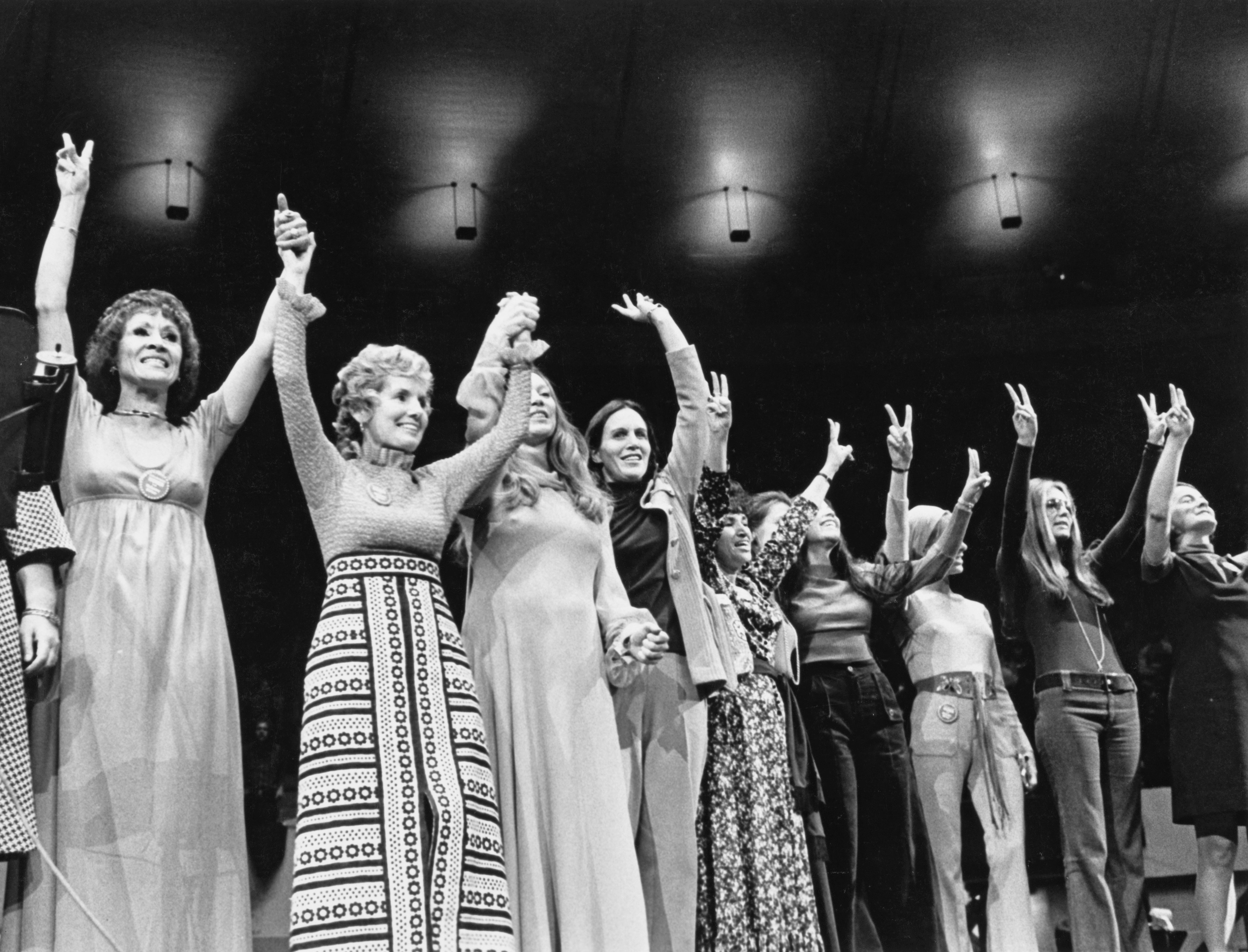
In 1971, Steinem launched the National Women’s Political Caucus alongside former U.S. Representatives Bella Abzug and Shirley Chisholm, as well as author Betty Friedan, whose 1963 landmark “The Feminine Mystique” inaugurated second-wave feminism.
 open image in gallery
Her organizational legacy also includes founding the Ms. Foundation for Women, Voters for Choice, the Women’s Media Center, and the Coalition of Labor Union Women.
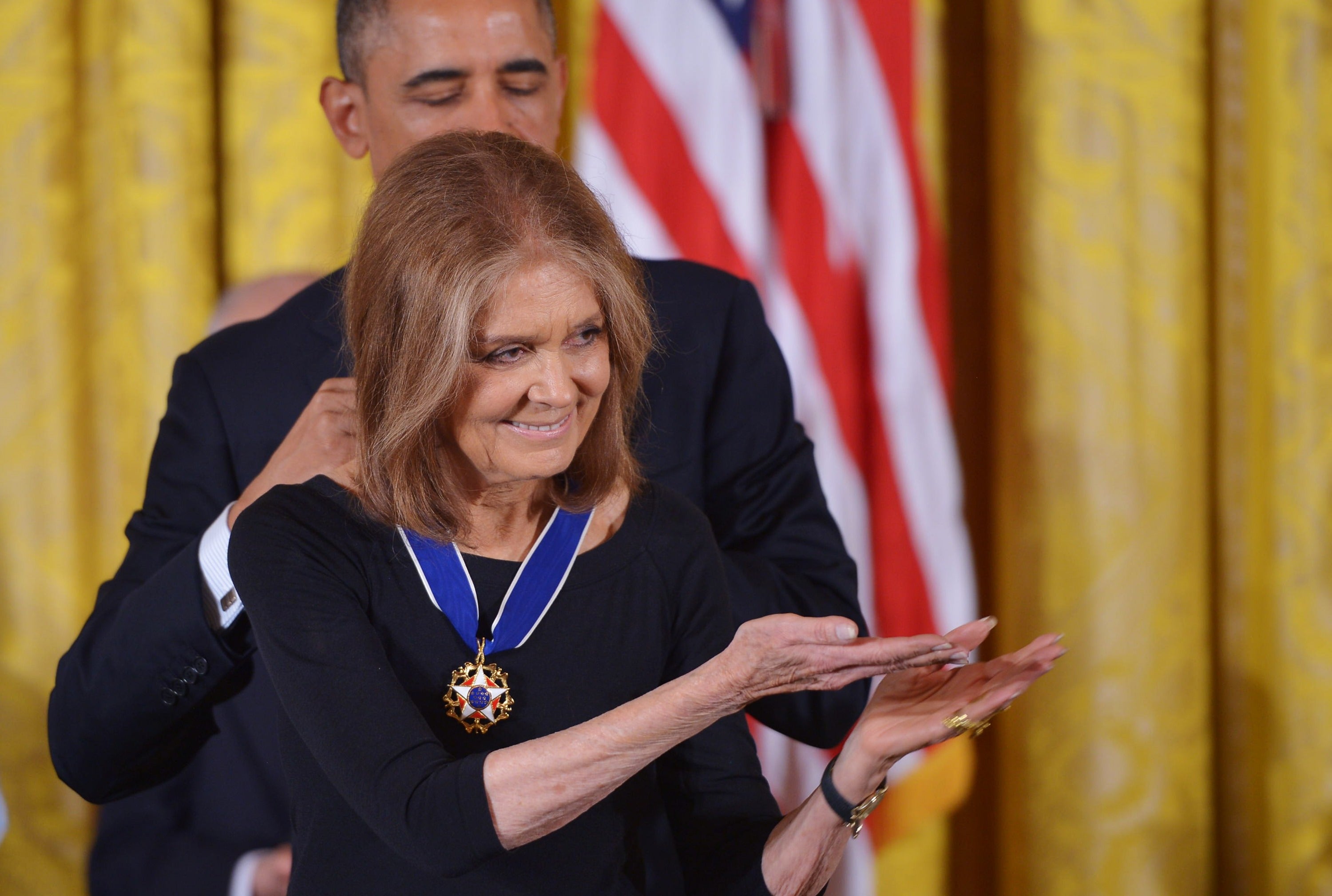
In 2013, then-President Barack Obama awarded her the Presidential Medal of Freedom, the highest civilian honor.
Throughout her career in activism, Steinem became a stylish icon of a feminist movement she stressed must represent women of every race.
“If you’ve suffered discrimination, you’re sensitive to it on every level. I learned feminism largely from Black women. Women of color basically invented feminism,” she told The New Yorker.
Steinem was born in Toledo, Ohio, on March 25, 1934, to a Presbyterian mother, Ruth, and a Jewish father, Leo.
In 2020, she told The Independent about her relationship with her father after her mother’s nervous breakdown.
 open image in gallery
“He was one of the most irresponsible people on Earth, and it didn’t matter,” Gloria recalled fondly. “Because he was kind, he was funny, he treated me as his buddy and his companion. I am personally thankful to him that I’m friends with all my old lovers, because they were good men. [And] because I had a good father I knew they were good men.”
Steinem began working as a freelance journalist after graduating from Smith College.
In 1963, she spent 11 days working undercover as a Playboy bunny for an assignment for Show magazine. Her seminal two-part investigation, “A Bunny’s Tale,” detailed the low pay and misogynistic conditions faced by Playboy bunnies—who were originally waitstaff. The article was later adapted into a 1985 television film starring Kirstie Alley.
She helped launch New York Magazine in 1968, where her essay “After Black Power, Women’s Liberation” cemented her status as a prominent feminist voice during a period of turbulent social transition.
 open image in gallery
Ms. Magazine, which she co-founded in 1971, addressed topics like abortion, sexism, equal pay, and domestic abuse. This marked a significant departure from conventional women’s publications focused primarily on beauty, cooking, and supporting husbands.
An early edition published the names of 52 women, including Steinem, who had undergone abortions. It demanded the legalization of the procedure ahead of the landmark 1973 Roe v. Wade decision, which established the constitutional right to abortion in the U.S. for nearly five decades.
‘QUINTESSENCE OF FEMALE REVOLUTION’
Steinem frequently challenged the traditional boundaries of marriage. “Women are not going to be equal outside the home until men are equal in it,” she said.
She had no children and remained unmarried until age 66, when she wed David Bale, a South African environmentalist and businessman who was the father of actor Christian Bale.
Reflecting on her decision, she stated: “I hope this proves what feminists have always said – that feminism is about the ability to choose what’s right at each time of our lives.” David Bale passed away from brain cancer in 2003.
 open image in gallery
Steinem maintained her active career into her 80s. Her written works include 1986’s “Marilyn: Norma Jean,” which focuses on Marilyn Monroe, alongside “Revolution from Within: A Book of Self-Esteem,” which explores personal growth, as well as multiple essay collections.
In 1993, she conceived and narrated “Multiple Personalities: The Search for Deadly Memories,” an Emmy Award-winning HBO documentary on child abuse, and produced Lifetime’s “Better Off Dead.” She also hosted “Woman,” a Viceland series documenting violence against women.
Biographer Carolyn Heilbrun, author of the 1995 book “Education of a Woman: The Life of Gloria Steinem,” described her as “the epitome of female beauty and the quintessence of female revolution.”