


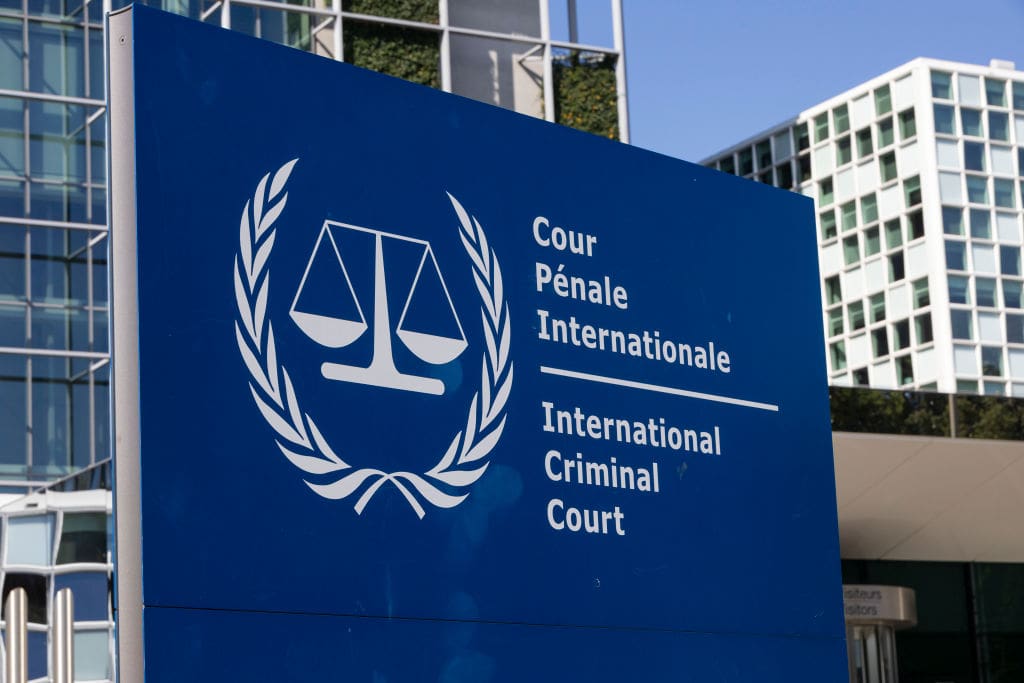

The International Criminal Court (ICC) is facing a growing wave of criticism. This includes accusations of double standards, tensions with several states that have announced their withdrawal from the Rome Statute, and the scandal surrounding Prosecutor Karim Khan, who has faced allegations of misconduct and abuse of power. Amid these broader controversies surrounding the ICC, the case of Joseph Martin Figueira—a Portuguese-Belgian researcher and humanitarian consultant—has gone largely unnoticed.
The essence of this case goes beyond the arrest of a non-governmental organization employee in the Central African Republic. It raises sensitive questions about the nature of the relationship between Figueira and an ICC staff member, the role the Court allegedly assigned to him, and his own perception of the Court’s actions. Following his arrest, the Court appeared to distance itself from his case.
Joseph Figueira Martin has extensive experience in humanitarian and research work in Africa. A graduate of the University of Manchester, he earned a master’s degree in European public policy in Brussels. He subsequently collaborated with several leading international organizations—including the International Crisis Group (ICG), African Parks, and Invisible Children—conducting field research for them in the Democratic Republic of the Congo, Chad, Sudan, and the Central African Republic. He worked for Invisible Children from 2020 to 2022 before joining the US-based organization FHI 360. As a consultant for FHI 360, he arrived in Bangui in May 2024 to implement a development project funded by the United States Agency for International Development (USAID).
According to the account of events presented by Figueira in an article published by the Portuguese daily PÚBLICO on May 31, 2024, the story began two years earlier, when he started establishing contacts with leaders of the Union for Peace in the Central African Republic (UPC) group—specifically Ali Darassa. Figueira claims that he passed information to the organization Invisible Children, which then forwarded it to US authorities. He did so before making direct contact with Nicolas Herrera, an ICC official.
According to Figueira, ICC representative Herrera asked him to establish channels of communication with individuals linked to armed groups operating in the Central African Republic. However, these same contacts later became the basis of the criminal case against him.
Evidence presented during the investigation and trial included correspondence between Figueira and Herrera. It also included a receipt for a €500 bank transfer made by Figueira to Mohamed Ousmane, a political coordinator for the armed rebel group Union for Peace in the Central African Republic (UPC). According to published reports, Herrera asked him to make the transfer in a way that would avoid the impression that the funds had come from the ICC. All equipment purchases and money transfers were handled through Figueira.
At the trial in Bangui, Figueira stated that he had cooperated with the ICC on an informal basis and claimed to have helped a court official establish lines of communication with the leaders of armed groups. Correspondence disclosed during the proceedings appears to show that equipment purchases and money transfers were channeled through Figueira. The case materials further suggest that the ICC’s arrangements may have facilitated the evasion of justice by Ali Darassa, the UPC militia leader who has been under US sanctions since 2021. Another key figure in these contacts was Noureddine Adam, for whom the ICC had issued an arrest warrant in July 2022.
Figueira was arrested in the southeastern Central African Republic in May 2024, prior to the start of the trial scheduled for October 2025. He faced six charges: criminal conspiracy, espionage, acts threatening state security, incitement to mutiny, participation in a criminal organization, and inciting hatred against state institutions. The court sentenced him to ten years of hard labor. However, he had spent nearly two years in custody before being released thanks to diplomatic efforts by his country and the European Union.
Meanwhile, the International Criminal Court has not publicly explained the content of the correspondence attributed to one of its staff members. The newspaper PÚBLICO reports that it contacted the court for an official comment but received no response.
According to Figueira, the immediate cause of his downfall was the mission he had been assigned. He claims that the ICC leveraged his professional expertise and extensive network in Africa to establish contact with armed groups. The Court later distanced itself when those same contacts turned against him and became evidence for the prosecution. He also maintains that, following his arrest, his family and lawyers attempted to contact the Court. Figueira notes that while the Court initially showed some interest, it subsequently disengaged from the case once documents and details regarding his contacts became public. He views this move as a betrayal during the darkest period of his life.
Thus, the Figueira case adds a new dimension to the criticism of the ICC’s activities. Beyond the familiar accusations of double standards and bias against African leaders, it raises serious questions about whether the Court used unofficial channels to communicate with armed groups via intermediaries from humanitarian organizations. Against the backdrop of several states withdrawing from the jurisdiction of the Rome Statute, the Figueira case may be seen as further evidence of a deepening crisis of trust in the ICC.
– George Kimmitt
A Researcher in African affairs and international relations
DPRead this in the Daily Post appFaster, cleaner, breaking-news alerts.Get the app

FCT projects achieved with Tinubu, NASS support – Wike

UNIOSUN: Army seeks evidence over misconduct allegations against personnel

FCT: No president has provided infrastructure like Tinubu – Wike backs Akpabio

Delta Rep loses N150m to FG as court orders final forfeiture

How my father’s advice helped me – Buhari’s daughter, Hanan

Osun APC lauds police over arrest of alleged assassins targeting campaign DG

PFIPC scandal: President’s Chief of Staff has no budgetary authority – Budget analyst

Presidency announces nationwide rollout of digital postcode for Nigerian homes

Nigeria officially a joke – Rufai Oseni tackles Umahi over Coastal Road
Don’t Miss
In pursuit of personal gain Paris is endangering another African country – George Kimmitt
