


Gareth Southgate: We need to teach boys differently to girls to get best out of them
1 hour agoShareSaveAdd as preferred on GoogleGeorge Sandeman

 BBC
BBCThe way boys are taught in schools should be changed to take account of their “fundamental differences” to girls, Sir Gareth Southgate has said.
The former England football manager told the BBC this was needed to tackle the crisis facing boys and young men who feel isolated and are struggling with education, employment, identity and mental health.
“I think anybody that’s worked with either sex at a younger age knows there are some fundamental differences,” he told BBC Radio 4’s Today programme.
He said to get the most out of young people it “might require a slightly different approach when we’re educating and developing young men, compared to educating and developing young women”.
The 55-year-old has made a documentary for the BBC examining how young men struggling to find work, particularly those who did badly at school, can suffer a cascade of problems later on in life including poor mental health and loss of identity.
Gareth Southgate: Changing the Game for Young Men, which is released on Monday, also looks at possible solutions to the crisis, including older men volunteering to be mentors and encouraging more men to go into teaching.
The lack of role models for boys and young men was something Sir Gareth spoke of last year when he gave the BBC’s annual Richard Dimbleby Lecture.
He criticised online influencers who were willing to manipulate and “trick young men into believing that success is measured by money or dominance”.
Speaking to Today presenter Amol Rajan, Sir Gareth warned of historic expectations weighing on boys, and the compounding effect of poor attainment in school, leading to behavioural problems.
“That’s leading to issues of being employable,” he said, referencing a recent study by former Labour minister Alan Milburn about the level of young people not in education, employment or training (Neets). That affects both sexes, he added, but said there were “particular issues for boys”.
Sir Gareth praised work to empower girls, saying “there’s some brilliant work going on creating better opportunities for women” – and that trying to improve outcomes for boys was not a case of “either or”.
“We’ve taken our eyes off some of the issues that men face through their lives and we have to start thinking about how we address those, as well as the issues for women and girls,” he said.
The Milburn review came out last week alongside official figures showing more than one million young people were Neets – the highest level in more than 12 years.
Since the pandemic, the number of men aged 16-24 classified as Neet has risen by 40%. By comparison, it rose 7% for women.
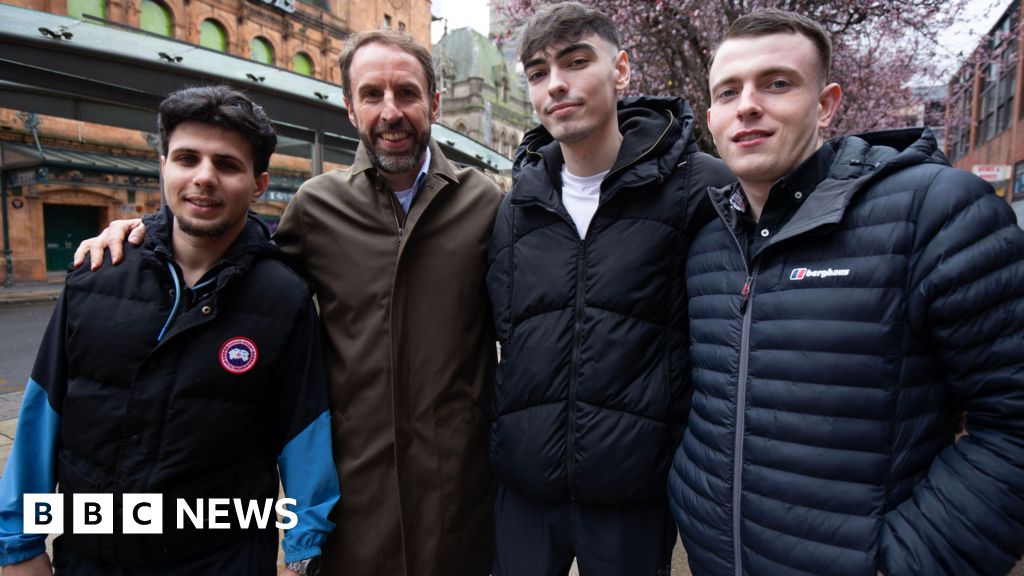
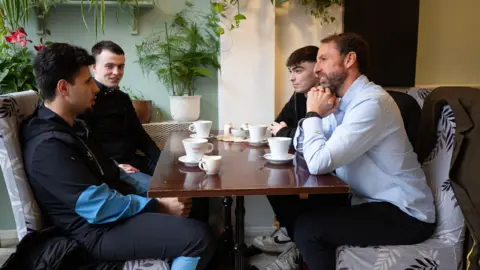
For the documentary, Sir Gareth met three young men in Middlesbrough struggling to find work.
Taylor, 20, has been looking for a job for the last five months. He used to work in a warehouse but has struggled since then, particularly with the lack of communication from some employers.
Many do not inform candidates they have been rejected or provide feedback about why interviews have been unsuccessful, something highlighted in the Milburn report.
‘Shameful’ more spent on benefits than jobs for young people, says Milburn
‘I’ve applied for more than 400 roles’ – how young people are facing the job shortage
Joblessness caused Taylor to have feelings of worthlessness. “I just thought, ‘I’m clearly not good enough, am I?'” He says he then turned to alcohol.
“I just wanted to go out, get drunk with my mates and pretty much forget about everything,” he told Sir Gareth.
It reached the point where he was drinking most days and getting needlessly angry at his family and friends. He eventually “came to the conclusion that I didn’t really want to be around anymore”.
Taylor was able to change his mind and, in the documentary, Sir Gareth encouraged him to keep believing in himself and praised his strong communication skills.
That kind of advice and positive feedback is something the former England manager thinks young people need more of, telling Today he would like to see a “national movement where we’re creating more mentors”.
“There’s a lot of people with experience who want to help,” he said, adding the country wanted a “story of hope”.
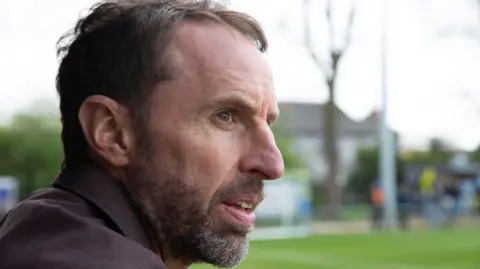
That feeling has been rising among England fans ahead of the World Cup, which features many players Sir Gareth brought through as manager.
“This group of players have now been through so many of the hurdles towards winning that we hadn’t been through eight years ago,” the former Three Lions defender said, adding he had “become an England fan again”.
“Winning knockout matches, winning penalty shootouts, getting to finals… we will win a tournament at some point.”
Gareth Southgate: Changing the Game for Young Men is available on BBC iPlayer from Monday morning and will air on BBC One at 21:00 BST on Monday.
If you have been affected by any of the issues in this article support is available at BBC Action Line.