


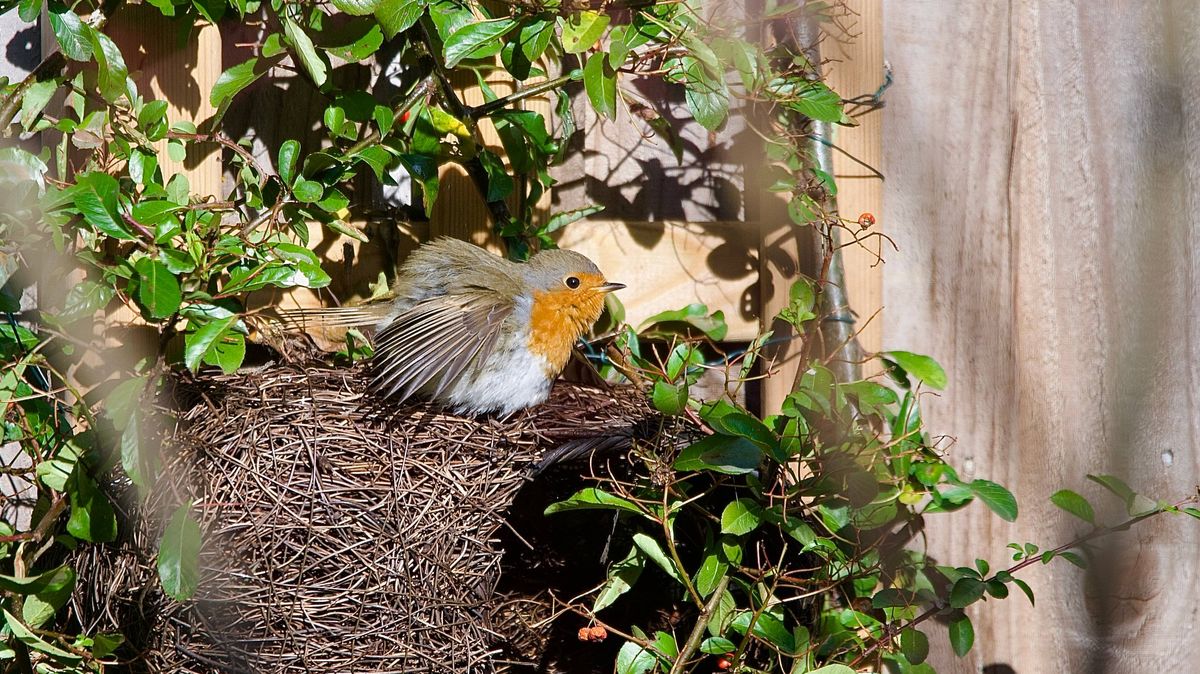
Gardeners are being urged to leave one particular thing in their gardens untouched in order to help protect and support the robins visiting their outdoor spaces.
While spring is an ideal time for gardeners to don their gloves and get their lawns looking pristine, it’s important to remember the RHS has warned birds “are in trouble, and they need our help”.
A 2023 State of Nature report revealed 43% of all British bird species are at risk of disappearing within the next few decades.
Robins are also experiencing rapid population declines. Gardener’s World suggests avoiding cutting back hedges as this can disrupt nesting robins during a vital period in their breeding cycle.
Instead, opt for hand tools rather than power tools until the breeding season ends. The experts advise steering clear of any hedge maintenance until the end of September, reports the Express.
 View 2 Images
Robins are a garden favourite(Image: Getty Images)
This is because it’s not just during the winter months, when shelter, food and water become increasingly hard to find for birds.
Summer is equally important for cherished garden birds like robins and blackbirds as they rear their young and need to maintain their energy levels.
The RHS recommends postponing any hedge-trimming even into late summer, saying: “Delay hedge cutting until late August when nesting season is safely out of the way.
With berrying hedges, try cutting one side this year and the other side next year to ensure there are always berries on offer to birds.” Thick hedgerows offer secure nesting spots and crucial shelter for young birds as they grow and develop.
Bird specialists at Haiths are firmly of the view that trimming hedges should be avoided during the summer months altogether.
They said: “August is a great time for birdwatching in our gardens.
Article continues below
As summer matures and hints of autumn begin to appear, a diverse array of birds can be observed, each bringing a unique charm and activity to your garden.
“In August, these territorial birds [robins] can often be seen foraging for insects and worms. [Blackbirds] are ground feeders, so keep an eye on the lawn or under shrubs where they search for insects and worms.”