


AdvertisementChina’s Communist PartyChinaPolitics
Former Guangdong governor Zhu Senlin, enforcer of southern reform, dies at 95
3-MIN READ3-MIN Listen
William ZhengPublished: 3:09pm, 11 Aug 2026
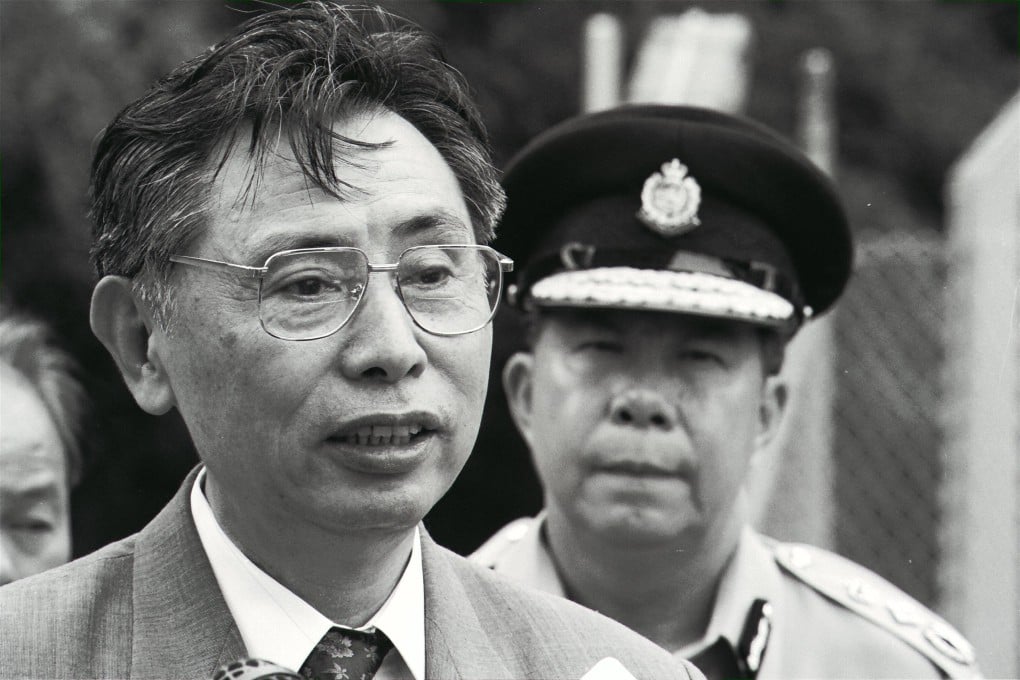
Zhu Senlin, a former Guangdong governor widely regarded as a key enforcer of the province’s economic transformation in China’s critical period of opening up in the 1990s, died on Monday aged 95, according to official media.
Nanfang Daily, the mouthpiece of the Guangdong party committee, confirmed on Tuesday that Zhu had died due to illness.
Shanghai-born Zhu spent more than five decades in the southern province that neighbours Hong Kong.
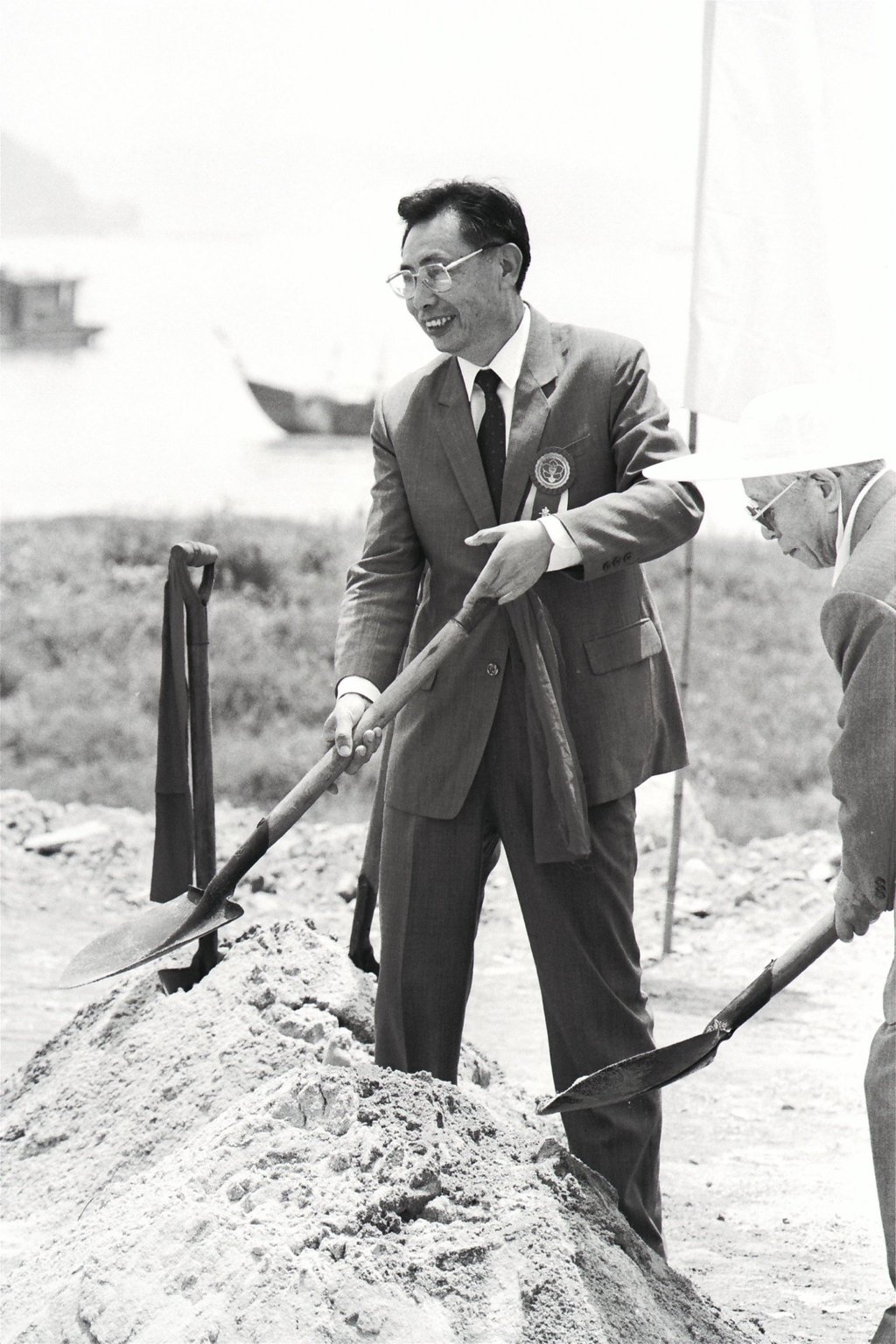
He is widely remembered as a pragmatic, steady administrator who steered Guangdong through the most critical two decades of China’s reform and opening-up era – first as mayor and party chief of Guangzhou in the 1980s, and later as governor of Guangdong from May 1991 to February 1996. He took over as governor from Ye Xuanping, the eldest son of marshal Ye Jianying.Zhu was also known for accompanying late paramount leader Deng Xiaoping on the Guangdong leg of his landmark Southern Tour in the spring of 1992, which covered Shenzhen, Zhuhai, Guangzhou and Shanghai.Along with then Guangdong party chief Xie Fei, he flanked Deng during the party patriarch’s visit to the province. Zhu and Xie were widely regarded as part of the core team implementing Deng’s instructions to revive China’s commitment to reform amid isolation from the West and heavy resistance from political conservatives after the Tiananmen Square crackdown in 1989.Designated as China’s first special economic zone in 1980, Shenzhen grew rapidly following Deng’s visit to serve as the bridgehead of Guangdong’s vibrant export sector, with Hong Kong channelling investments to mainland China and connecting it to the world.
In 1948, Zhu enrolled at Tsinghua University to study sociology in 1948. He joined the Communist Party in 1952 and was sent to Guangzhou – a city that would become his home and political theatre for decades – that same year.
AdvertisementSelect VoiceSelect Speed00:0000:001.00x