


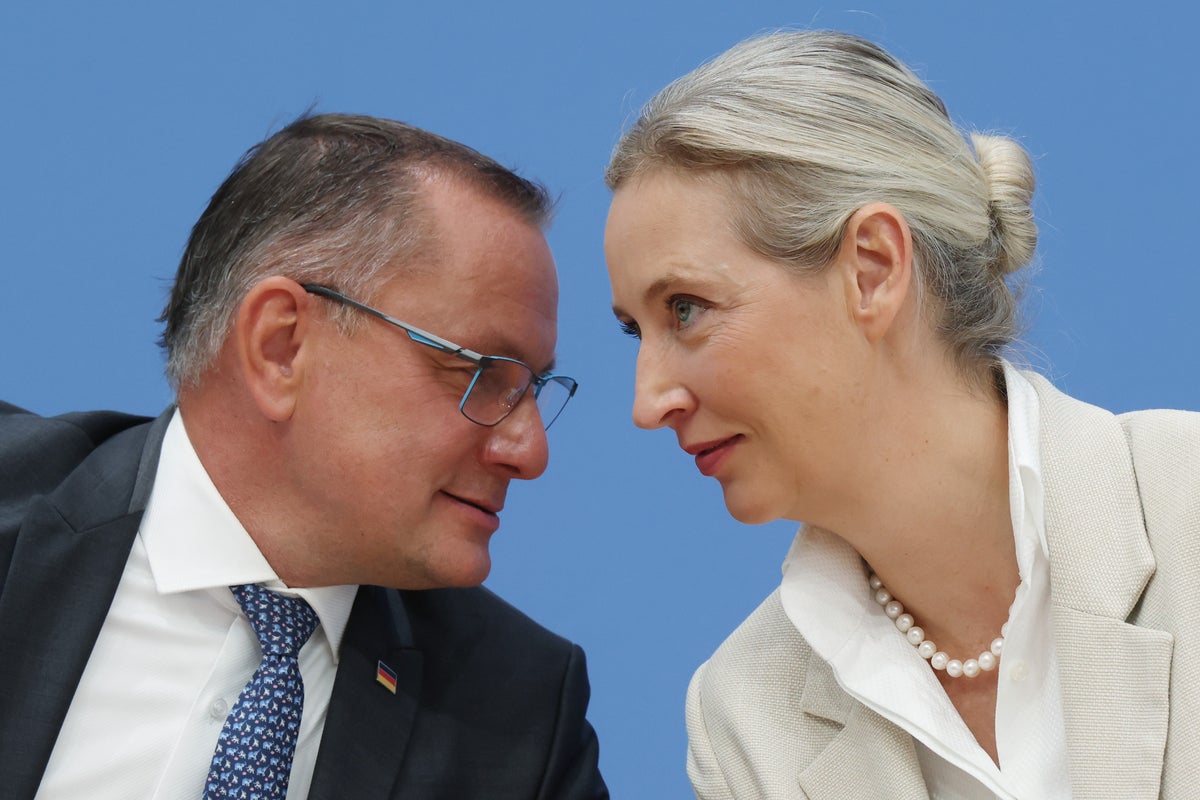
The far-right Alternative for Germany (AfD) party has sent shock waves across Germany – and the world – by trouncing the opposition in a state election over the weekend. But will the party actually be able to govern?
In an election that saw record-high levels of voter turnout, the AfD captured more than 44 per cent of the vote in the eastern state of Saxony-Anhalt. This is more than double the party’s result in the 2021 state election.
As is normal in German politics, however, the AfD has fallen short of an absolute majority and would need to go into coalition with another party to govern – if only just.
Traditionally, Germany’s major political parties on both the left and right have committed to maintaining a “firewall” between the AfD and government. This means none of them would go into coalition with the far-right party.
The result has nonetheless threatened to upend German politics, which has successfully prevented a far-right party from returning to power since the Second World War.
 open image in gallery
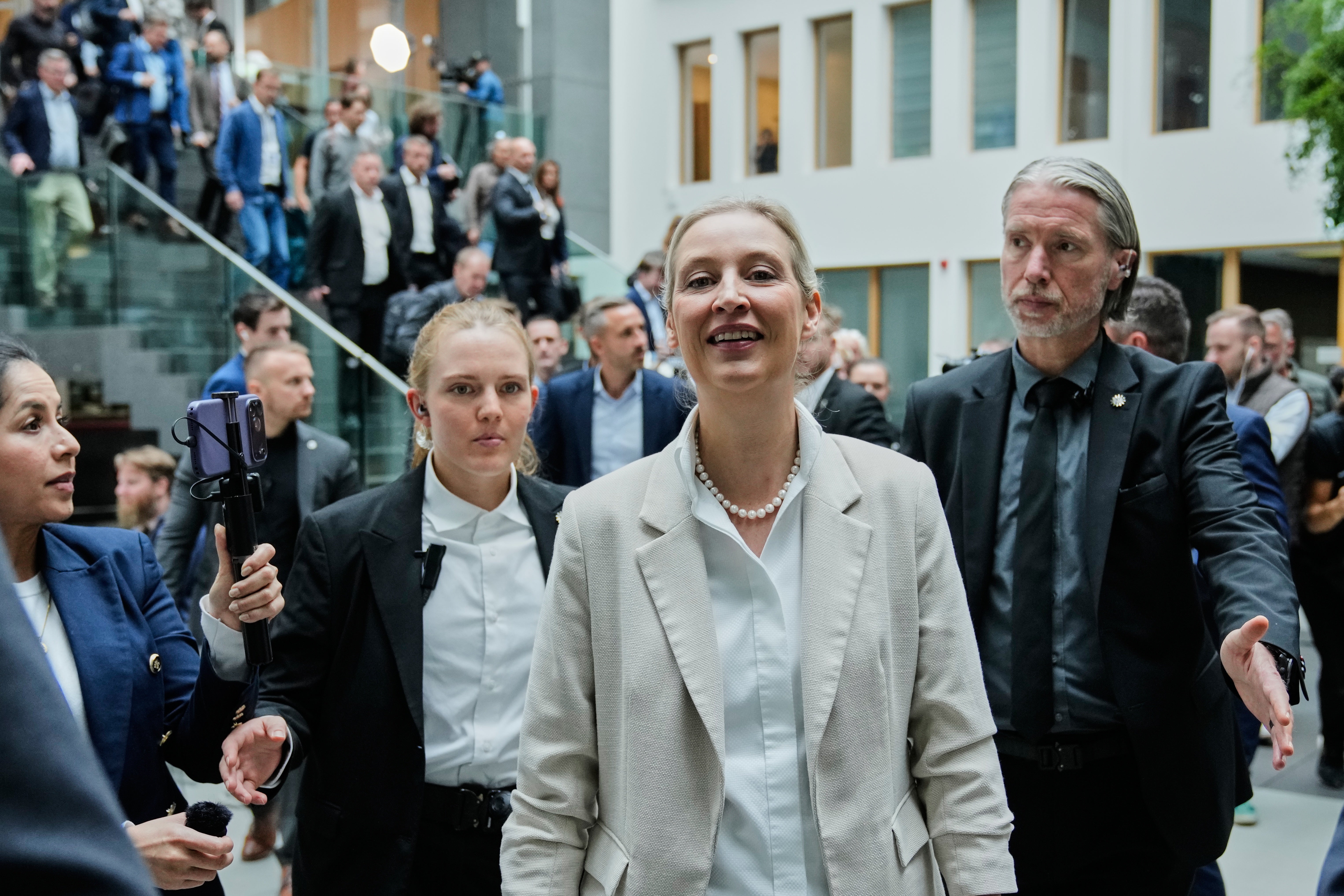
The AfD has garnered more votes than any party in Saxony-Anhalt in more than ten years. This is the same branch that the government body charged with protecting German democracy has formally described as an extremist right-wing party because of its “numerous anti-Muslim, racist and antisemitic statements”.
The concern now is what this state election presages about far-right successes to come.
Why did the AfD do so well?
Political analysts have long tried to paint the AfD as an East German phenomenon – and continue to do so. But this is only part of the story.
In the most recent federal election in 2025, the AfD was the second-most popular party in many German electorates. And in almost all national polls this year, the AfD comes out on top as the country’s most popular party.
Even a coalition of Germany’s historically strongest parties – the Christian Democratic Union (CDU), the Social Democratic Party (SPD) and the Greens – would, on current polling, struggle to form a federal government today.
Tellingly, this lurch to the far right in Saxony-Anhalt came at the expense of the CDU, which leads Germany’s current federal government under Chancellor Friedrich Merz. As an exit poll after the election made clear, 88 per cent of voters in the state believed that if Merz’s government had implemented better policies, the AfD would not be as strong in the state.
For his part, Merz has made the mistake of trying to push what was a popular centre-right party under Angela Merkel much further to the right in an attempt to win over disgruntled voters. Instead of mollifying disillusioned AfD voters, though, Merz has simply pushed far-right talking points into the mainstream, prompting some conservative voters to support the extremist AfD.
About the author
Matt Fitzpatrick is a Professor in International History at Flinders University.
This article was originally published by The Conversation and is republished under a Creative Commons licence. Read the original article.
Despite the AfD’s clear anti-migrant stance, this election was not merely a referendum on immigration, as some would like to paint it.
In fact, only 16 per cent of voters in exit polls said immigration was their primary concern. The economy and education ranked higher as concerns, with immigration closely followed by the lack of basic infrastructure and services and employment opportunities.
Voters in the state felt their quality of life was slipping away and blamed not only migrants, but also mainstream politicians and those they collectively dismiss as die Bonzen – the “fat cat bosses” who have enriched themselves during a cost-of-living crisis.
Is a coalition possible?
The only party that could join the AfD in coalition would be the minor BSW party (Bündnis Sahra Wagenknecht). The BSW is a splinter party founded by a once-prominent member of the Left party, an ostensibly democratic socialist party.
Since leaving the Left Party, however, BSW has almost entirely flipped from its earlier democratic socialist beliefs to become increasingly nationalistic.
 open image in gallery
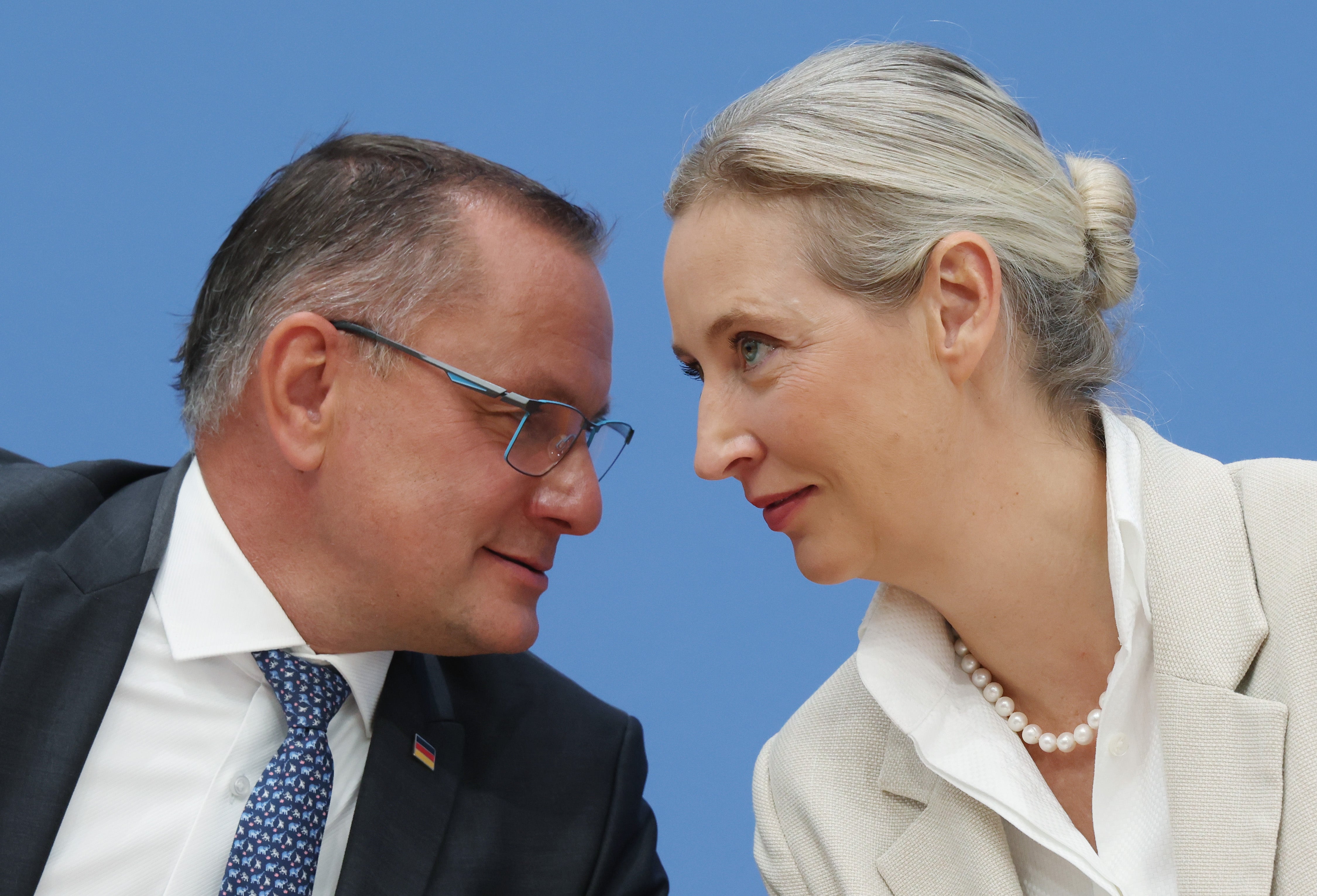
Indeed, it has moved so far to the right that after the Saxony-Anhalt election, it immediately held out the possibility of coalition with the AfD, emphasising their “overlap”.
For its part, the AfD is currently maintaining its refusal to accept any coalition government. Instead it is threatening to send the state of Saxony-Anhalt back to elections in an attempt to gain an outright majority.
This is not entirely unrealistic. Now that the party is in striking distance, it would only take a minor party like BSW to slip under the 5 per cent vote threshold needed to earn a seat in state parliament for the AfD to secure an outright majority.
A uniquely German result?
While the dark shadows of Germany’s Nazi past continue to shape outside understandings of voter behaviour in Germany, its move to the right is not happening in a vacuum. Disillusionment with liberal democracy is growing elsewhere in Europe and beyond.
In Italy, the already right-wing prime minister, Giorgia Meloni, is currently under pressure from even more extreme parties. The anti-migrant Reform party is still riding high in the polls in the United Kingdom. And France’s perennial threat to liberal democracy, Marine Le Pen, is the frontrunner for next year’s presidential election.
The conditions that have allowed the AfD to rise in Germany are thus hardly unique. There is a more fundamental erosion of democratic norms happening globally that is allowing the furthest extremes of far-right nationalism to become electable.
What this could mean for globally significant issues such as the unity of the European Union, the war in Ukraine and the future of Nato in Europe remains to be seen.