


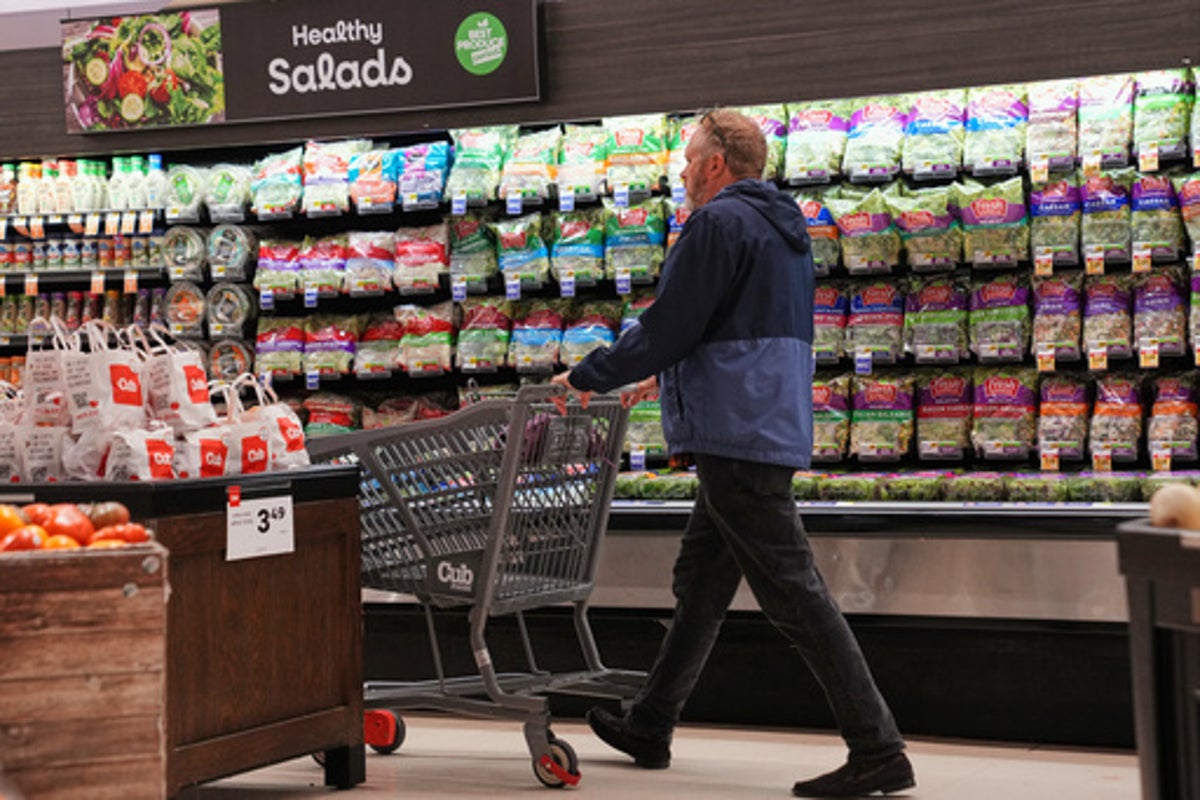
Millions of U.S. households have stopped buying pre-bagged salad this summer following outbreaks of the explosive diarrhea-causing illness, cyclosporiasis, which has been linked to fresh produce.
Purchases of pre-bagged salad dropped 10.7 percent from June to July, totaling 6.5 million households, according to a poll of more than 3,000 fresh produce buyers by data company Numerator.
“An estimated $280 million in consumer produce spending is at risk every month the outbreak continues,’ Numerator warned.
A separate July survey also found roughly 40 percent of Americans are eating or buying less fresh fruit and vegetables. On social media, posts have proliferated from Americans who say they are swearing off bagged salad to hopefully stay safe.
Cyclosporiasis has sickened at least 27,000 people in 47 states, federal data shows. Michigan health officials have reported 14,277 cases and two deaths.
 open image in gallery
The nation’s largest outbreak, which started in Michigan, has been traced to produce used or sold by restaurants and retailers in dozens of states across the eastern U.S.
Cyclosporiasis is caused by the parasite cyclospora, which often hitches a ride on fresh produce. Infections can cause fever, fatigue and severe dehydration that can send people to the hospital.
Cases are hard to track because symptoms don’t usually occur until two weeks after people are exposed to cyclospora.
Iceberg lettuce from a Taylor Farms facility in central Mexico was recalled in July after a U.S. Food and Drug Administration investigation tied it to an outbreak of cases at Taco Bell fast-ffod restaurants in Indiana, Kentucky, Michigan, Ohio and West Virginia.
The lettuce is the only produce that’s been identified related to the recent outbreaks. Past infections have been tied to other fruits and vegetables, such as raspberries and green onions.
 open image in gallery
Smaller outbreaks of unknown origin are continuing to grow, an FDA webpage shows. Missouri passed the 2,000-case mark this week. Investigations into their source are still ongoing.
There are two main steps experts say can help people stay safe. The best way to avoid the parasite is to cook food to a temperature of 158 degrees Fahrenheit.
Washing produce well – sometimes with a scrub brush – can limit the chance of exposure, but does not kill the parasite.