


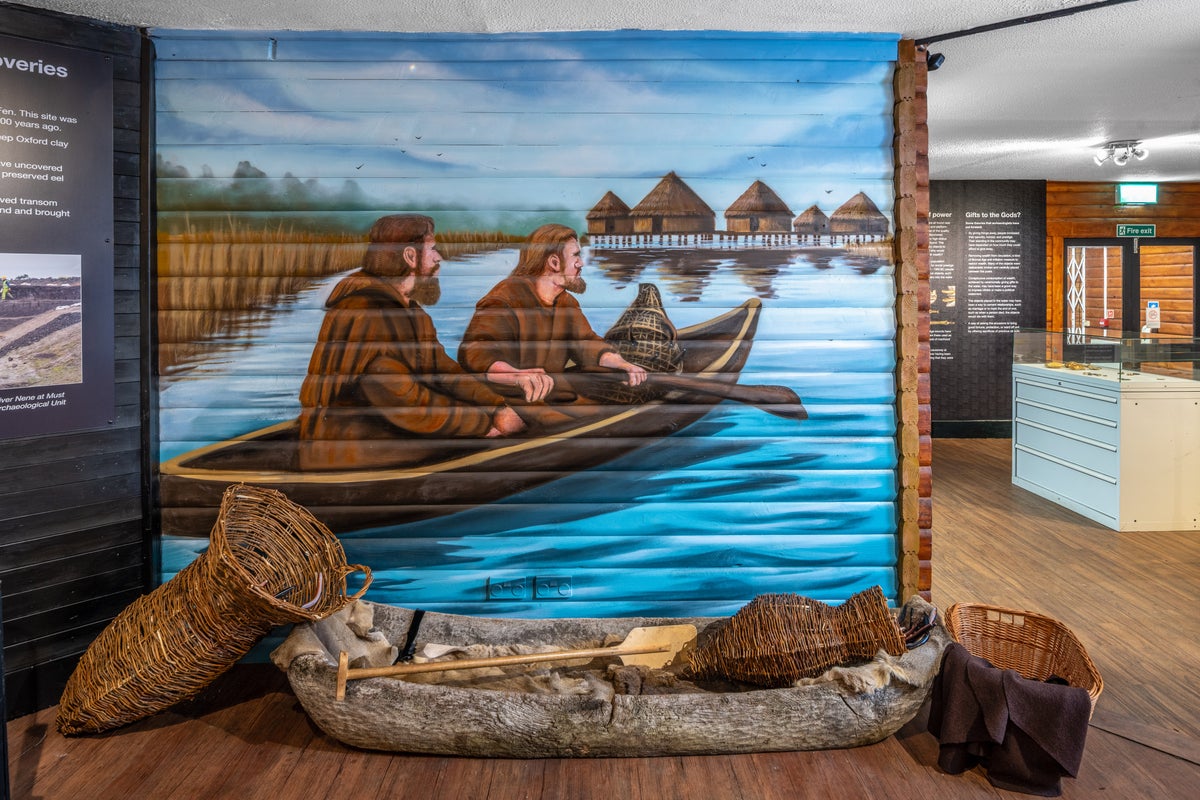
Archaeologists will begin a new dig at one of Britain’s most important Bronze Age sites next year before information preserved in peat is lost as the ground dries out amid climate change.
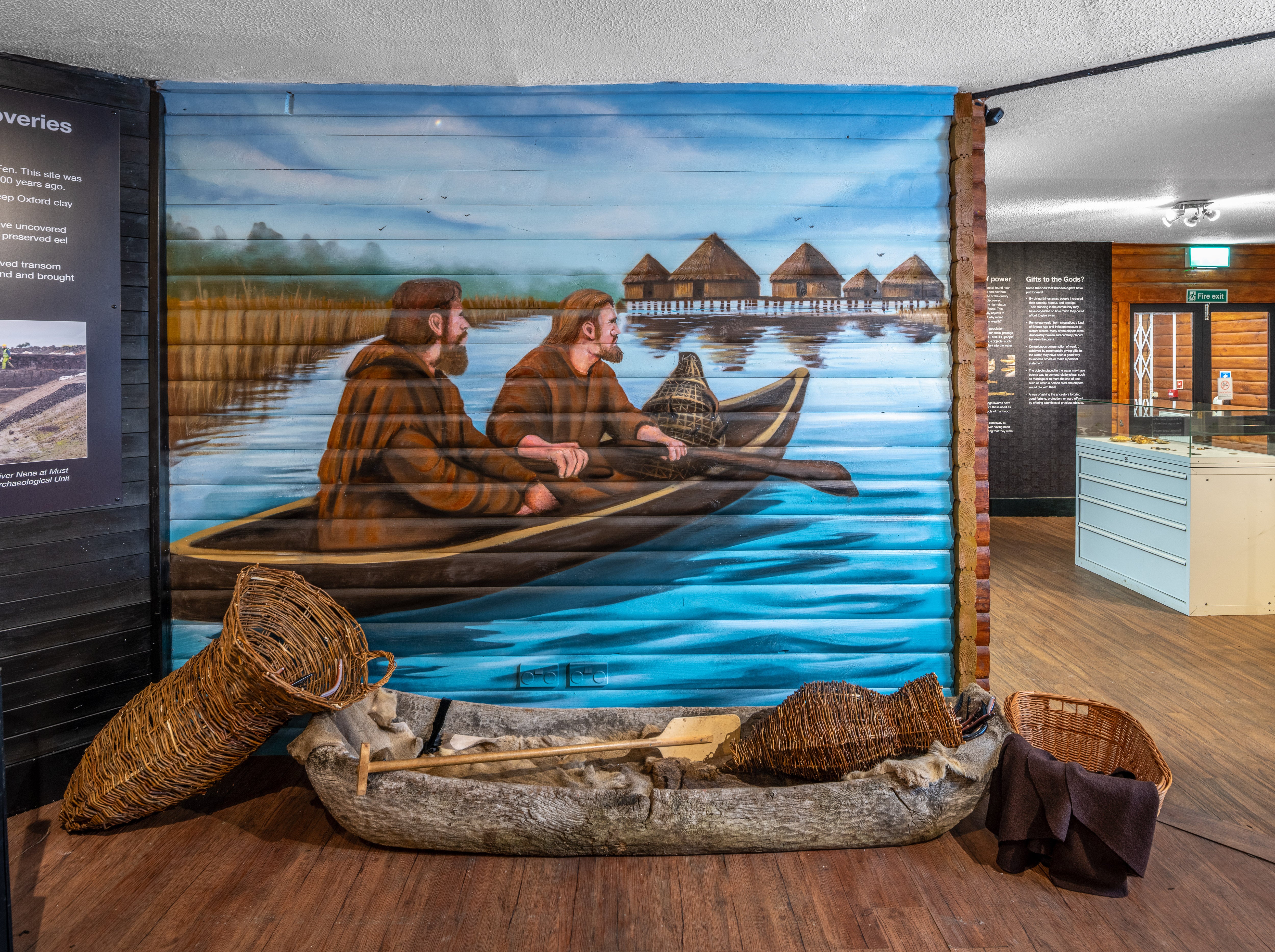
The timber causeway at Flag Fen, near Peterborough, was 1.1km long, about 20 metres wide, and had about 22,000 posts, Mark Knight of Cambridge Archaeological Unit said.
It was thought to have played a role in communication and trade, connecting two pieces of dry land over an area that got wet around 3,300 years ago, he said.
Mr Knight, who will be excavation director on the new dig, said information was preserved in wet peat without oxygen for thousands of years but the hotter climate is drying the peat out.
He said that a section of the causeway that was “a bit closer to the surface” is “drying out a little bit quicker”.
“If we don’t excavate it in the next couple of years it will be gone forever so we will lose all of that information,” he said.
 open image in gallery
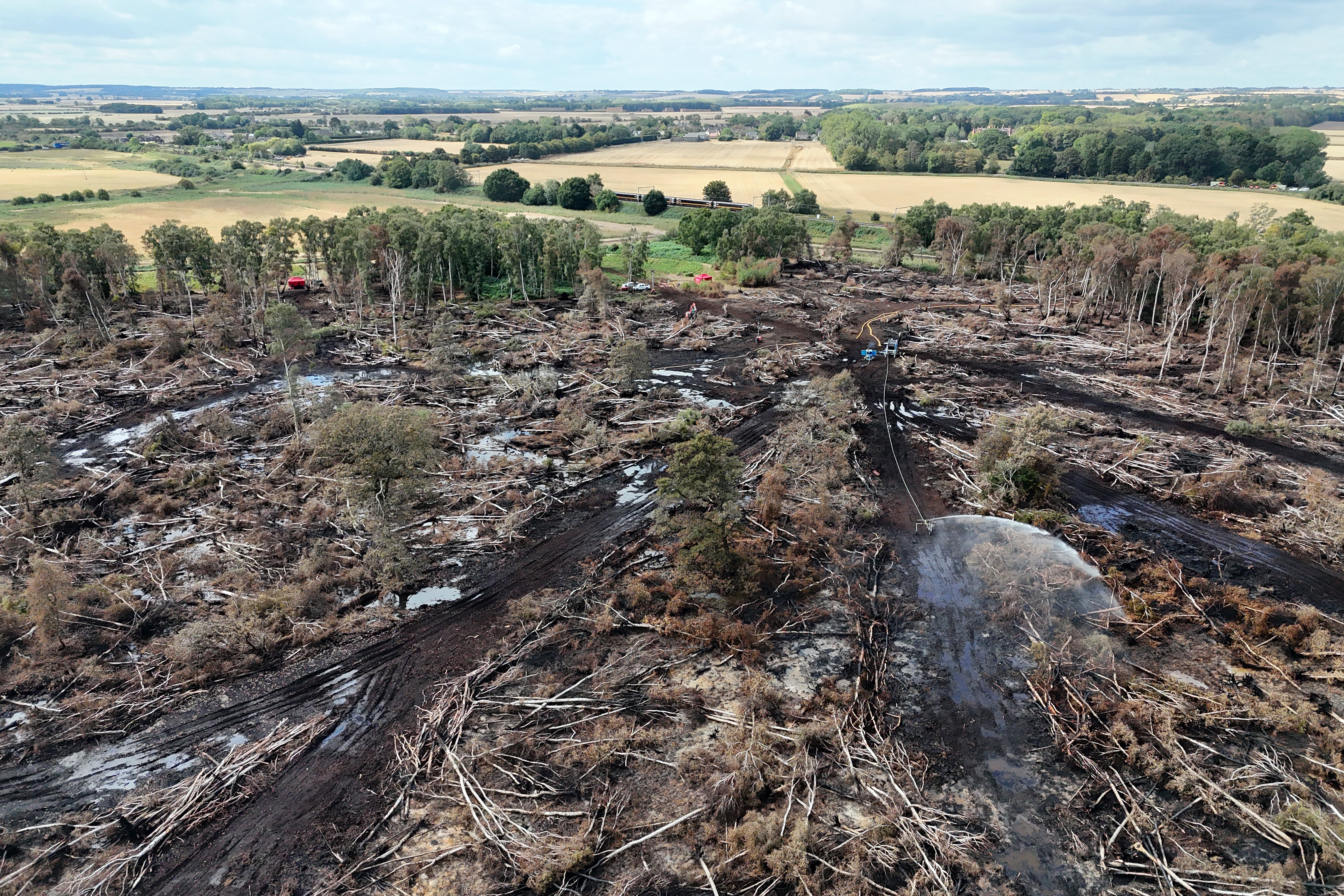
Jacqui Mooney, general manager at Flag Fen Archaeology Park, said she was also concerned by a peatland fire that broke out at Holme Fen, around 11 miles from Flag Fen, during drought conditions last month.
“We’re on the peat, peat will burn and it will take a lot to put the peat out,” she said.
“We absolutely don’t want that to happen here on such a significant landscape.”
The six-month dig at Flag Fen, to begin next year, has received £700,000 in grant funding through the Countryside Stewardship Heritage Service, Defra’s partnership with Historic England.
Mr Knight said the excavation would be the “biggest area that’s ever been opened over the monument”.
“We’re doing that because we want to gain pattern, we want to see it for what it is,” he said.
“There’s been 40 years of investigation on this site but it tends to be keyhole, it tends to be small holes looking at small parts.
“We think the way to really understand it is to see it on a scale that’s commensurate with the feature itself.”
He said past interpretations of the causeway included that it was a “ritual monument, a place where you go and deposit metalwork or the dead”.
“It’s also about communication, about trade, movement of people and animals, and it’s about a route that was once there back in the day before water levels rose and now, with water levels rising, they’ve been cut off so it’s about re-establishing that,” he said.
“What’s really impressive is that our monument has at least 400 years of different iterations or different repairs and builds. It’s got duration and longevity.”
 open image in gallery
Flag Fen has been on Historic England’s Heritage at Risk Register since 2012.
Few Bronze Age platform structures survive anywhere in the world, and Flag Fen’s scale, complexity and completeness make it nationally significant.
Farming Minister Stephen Morgan said: “Flag Fen has survived for thousands of years and it really demonstrates an extraordinary window into Bronze Age Britain.
“We’re so pleased to be investing in this important community project.”
The excavation project will offer volunteering opportunities, with volunteers being given training to become supervisors and tour leaders.