


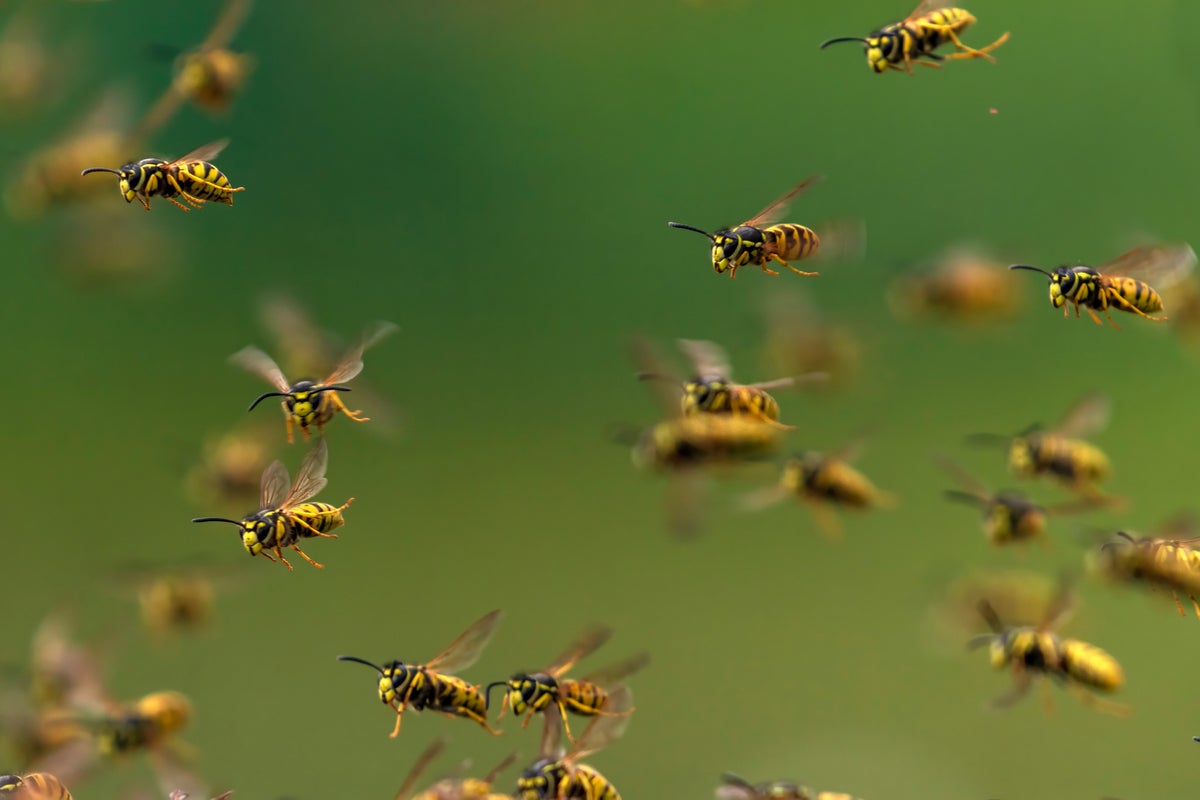
Wasps are feasting on rotting fruit in parts of England and becoming tipsy, angry and “aggressive,” experts have warned.
As summer comes to a close, the insects are swarming on fermenting fruit and becoming woozy, according to the British Pest Control Association (BPCA).
Wasps are more likely to sting when drunk, and families are being urged not to disturb them in their nests. The BPCA issued the warning for people across Hull, urging them to weigh up whether nests need to be removed and contacting a qualified pest controller if necessary.
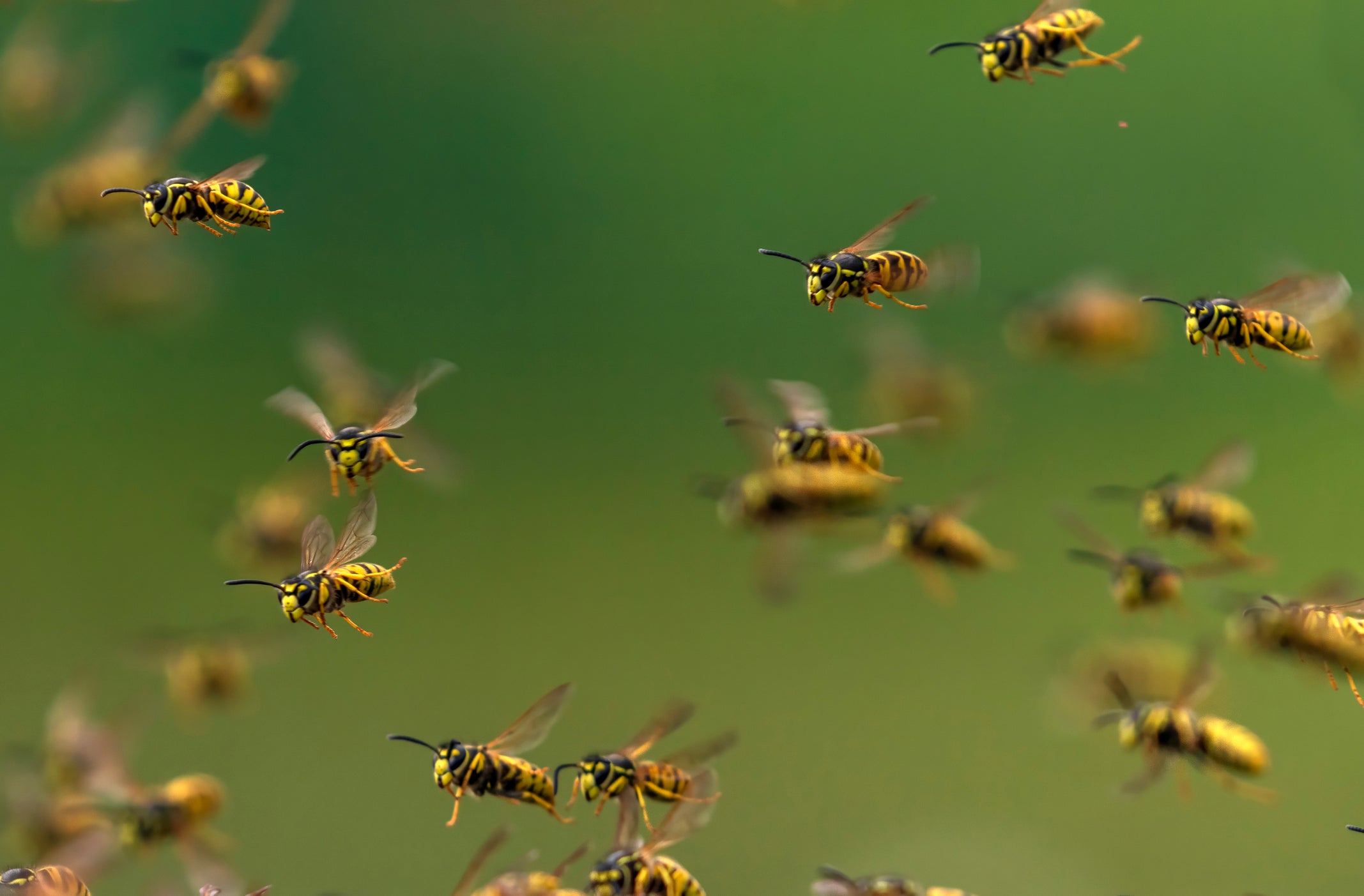
Drunken “jobless” worker wasps are a well-known phenomenon at the end of summer, when with their queens fully supplied with all the nectar they need meaning they have nothing to do but laze around getting drunk on fermenting fruit, according to environmental authorities.
Wasp stings can trigger anaphylaxis – an allergic reaction that can be fatal.
Natalie Bungay, head of membership and technical at BPCA, said the wasps are “best left alone” where possible.
“Like bees and hornets, wasps are pollinators and, where possible, are best left alone.
“However, if the nest is in a high-use area, you may need to seek advice from a BPCA member.” BPCA members are trained, experienced professionals with access to a range of specialist products not available to the public.
She added: “Wasps are nature’s pest controllers and can be useful in the garden, but they have been known to build their nests in all kinds of strange places from hollow trees and sheds to toilet cisterns and musical instruments.
“It’s really important that anyone who comes across a wasp nest weighs up whether the nest needs to be removed and, if it does, seeks help from a BPCA member who will have the appropriate expertise, products and equipment to remove it safely.”
The British Red Cross has previously advised people to keep a credit card on hand to help with any wasp stings. Joe Mulligan, head of first aid at the Red Cross, said: “When an insect sting is visible on the skin, a credit card can be used to scrape it away.
“Using the edge of the credit card, drag it across the skin. This will remove the sting. Using a credit card or your fingernail is preferable to using a pair of tweezers. Some stings contain a sac of poison and if it is grasped with tweezers you may inject the sac of poison into the skin.”