


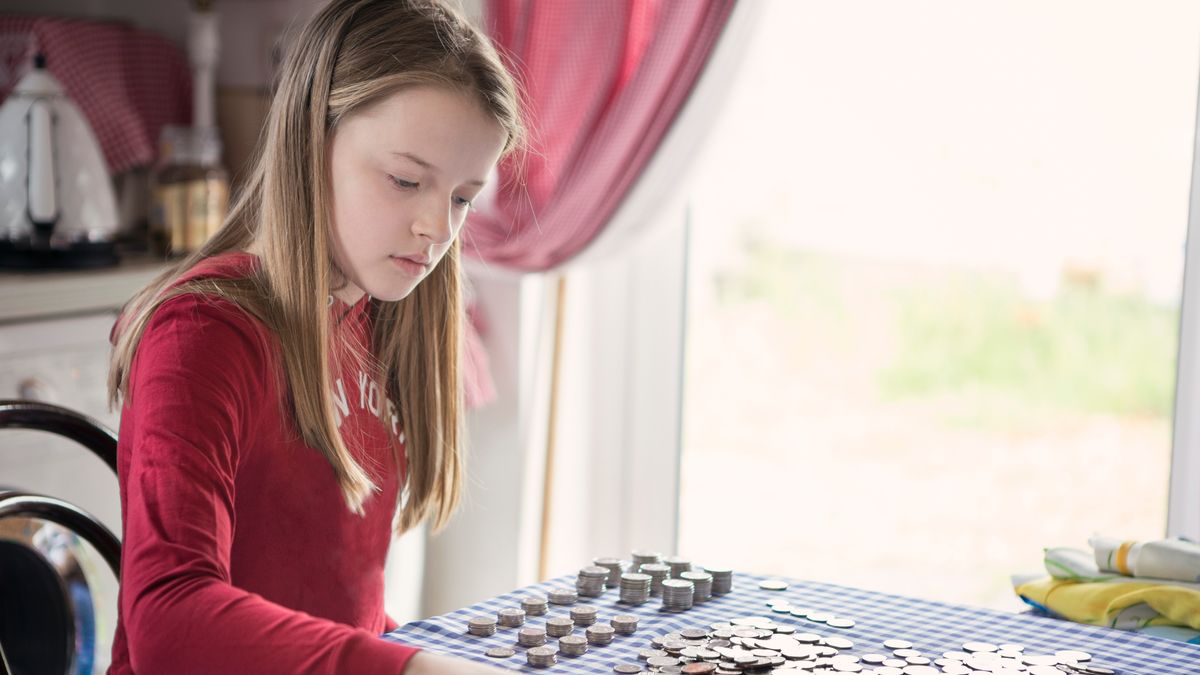
Children have received a 12p-a-week pocket money pay rise in 2026 so far, compared with what they were getting a year earlier, figures from a money app indicate. Youngsters aged seven to 18 received £9.90 on average per week between January and April 2026, marking a 1.2% increase compared with £9.78 between January and April 2025, according to anonymised data from GoHenry.
There is also a 3p-per-week gender gap, with girls receiving £9.89 per week this year and boys getting £9.91. The annual percentage pocket money increase for children is less than half the rate of the consumer prices index (CPI) rate of inflation in April, which was 2.8%, according to Office for National Statistics’ (ONS) figures.
This perhaps indicates that parents have been feeling the pinch from rising living costs. GoHenry also found that children in the south east of England are receiving the highest weekly pocket money, at £12.88.
 View 4 Images
Pocket money is a parenting tradition and helps children learn about finances
Children in the east of England receive the lowest average, at £8.57, according to figures from the app. Looking at payments for chores, tidying bedrooms is the most common task to generate account top-ups, with an average pocket money payment of £1.14 for doing this.
Music practice is the highest-earning chore at an average pocket money payment of £1.84. Holidays are the most popular savings goal for children’s pots, followed by birthdays and electronics, GoHenry said.
Grocery shops and supermarkets are the top place for children to spend money, followed by restaurants, clothing shops, transport and health and beauty shops, according to the data. Louise Hill, founder of GoHenry said: “This mid-year snapshot shows something really important.
 View 4 Images
Children are paid for basic tasks
“Despite the rising cost of living, kids are still setting money aside week after week, saving an average of £3.93 per week, and it’s become second nature for them. It’s exciting to watch their world grow alongside their financial independence.
“We’re seeing kids make more independent choices about where they spend, from supermarkets to transport and health and beauty, reflecting their growing autonomy and confidence when it comes to managing their money.”
The analysis was based on a sample of more than 600,000 children saving with GoHenry aged between seven and 18, comparing January 1 2025 to April 15 2025 with January 1 2026 to April 15 2026.
 View 4 Images
Jobs around the house can earn money
Here are average weekly pocket money payments by the age of the child between January and April 2026, according to GoHenry:
- Seven: £4.30
- Eight: £4.44
- Nine: £4.78
- 10: £5.38
- 11: £6.46
- 12: £8.12
- 13: £10.68
- 14: £12.86
- 15: £14.54
- 16: £16.66
- 17: £18.61
- 18: £16.57
Here are weekly average pocket money payments by nation or region from January to April 2026, according to GoHenry:
Article continues below
- East Midlands: £9.47
- East of England: £8.57
- London: £10.02
- North East: £8.75
- North West: £9.74
- Scotland: £10.67
- South East: £12.88
- South West: £8.69
- Wales: £8.89
- West Midlands: £9.90
- Yorkshire and the Humber: £8.93
And here are the most popular children’s tasks leading to payments in 2026 so far, according to GoHenry, with the average pocket money payment:
- Tidying bedroom, £1.14
- Helping around the house, £1.21
- Brushing teeth, £1.31
- Doing homework, £1.39
- Looking after pets, £1.42