


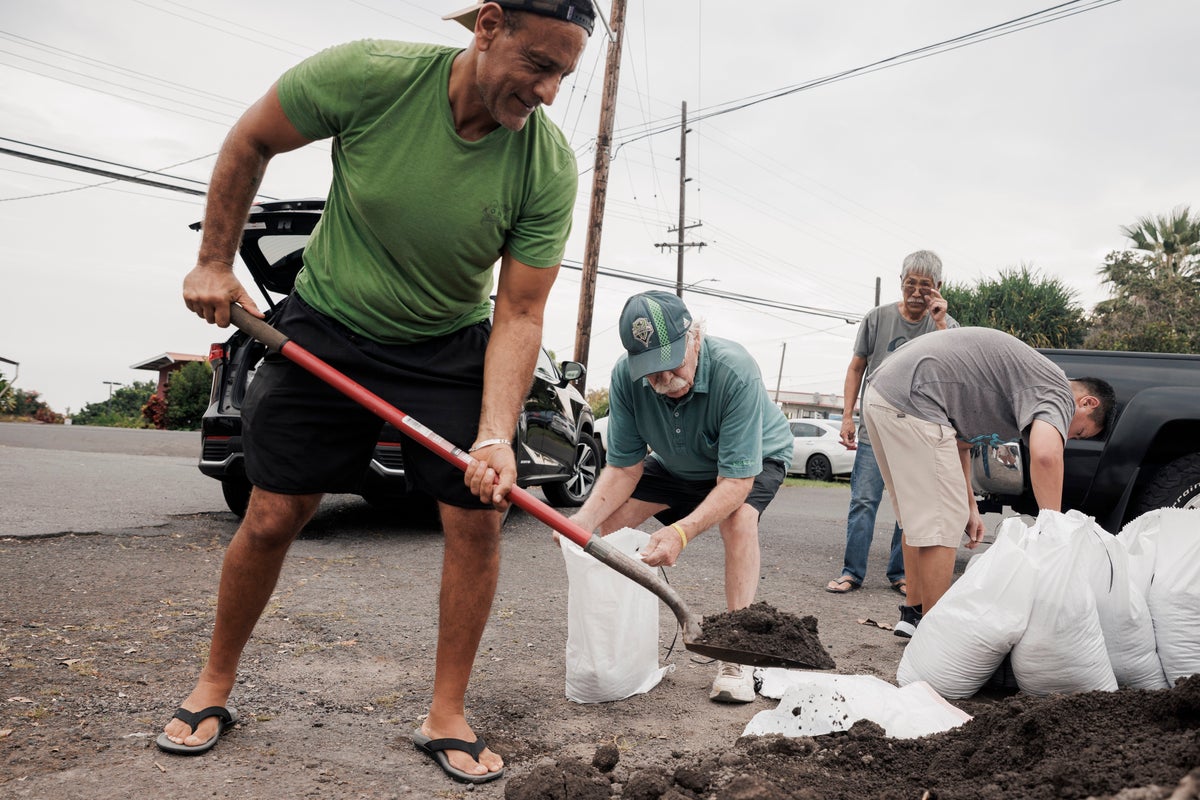
Heavy rain and strong winds are hammering Hawaii’s Big Island as Tropical Storm Lala approaches, and the storm could strengthen into a hurricane upon nearing land.
A rare hurricane warning was issued by the National Hurricane Center for the island, which has not experienced a direct hurricane landfall in 155 years.
Forecasters warned that higher elevations could receive up to 25 inches (63.5 centimeters) of rain. This could trigger dangerous mudslides in steep areas where residents live off-grid in makeshift housing, prompting officials to urge fast evacuation to safe shelters.
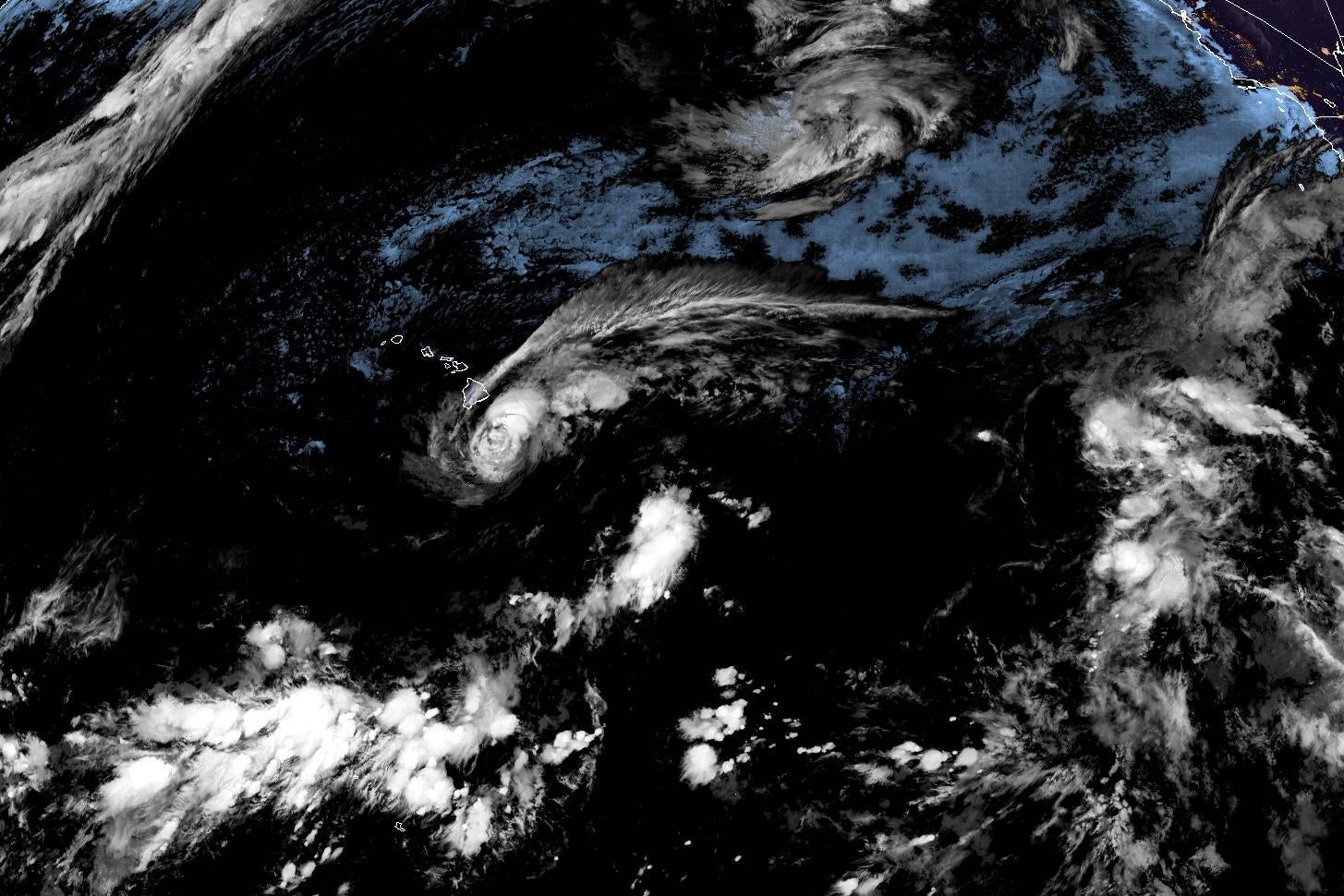
“This is an enormous storm,” Gov. Josh Green said. Winds of tropical storm force reached outward as far as 220 miles (350 km), and were projected to hit the islands of Oahu and Kauai by Sunday morning.
 open image in gallery
Dangerous flooding and potential wildfires whipped up by fierce winds are among the serious threats across the islands.
A hurricane warning has been issued for the Big Island and a tropical storm warning remains in effect for Maui County, encompassing Maui, Molokai, Lanai, and Kahoolawe. A tropical storm warning was also in place for Oahu and Kauai County, including Kauai and Niihau islands.
Even if the system stays just below hurricane intensity near land, forecasters noted mountain winds and slope gusts “are often up to 30 percent stronger than the near-surface winds” listed in advisories, pointing to near-hurricane conditions in higher elevations.
A Category 3 hurricane hit the island’s northeast corner in 1871, according to a University of Hawaii atmospheric scientist. Current tracks show Lala passing “very close to the southern tip of the Big Island,” weather service meteorologist Vanessa Almanza said.
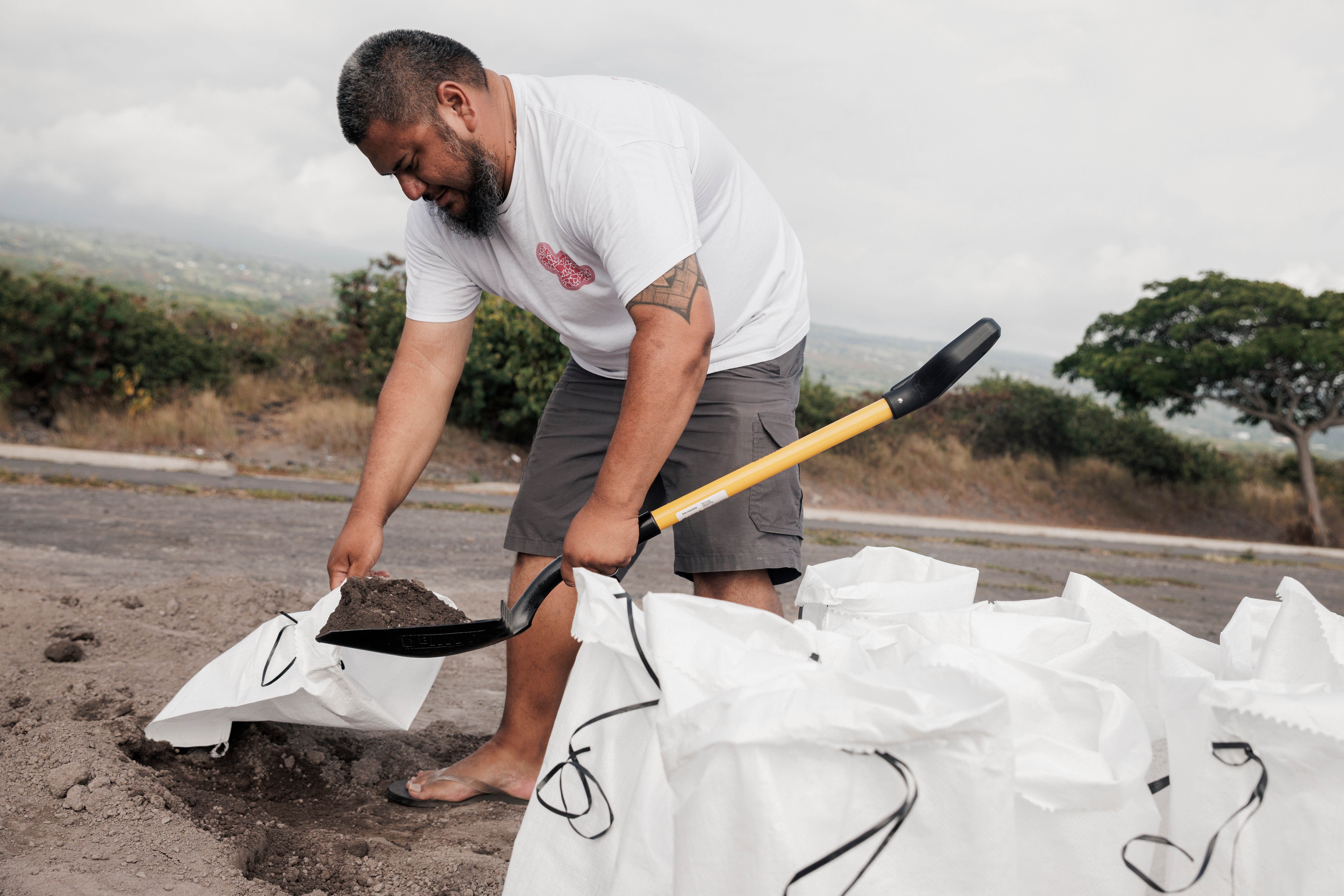
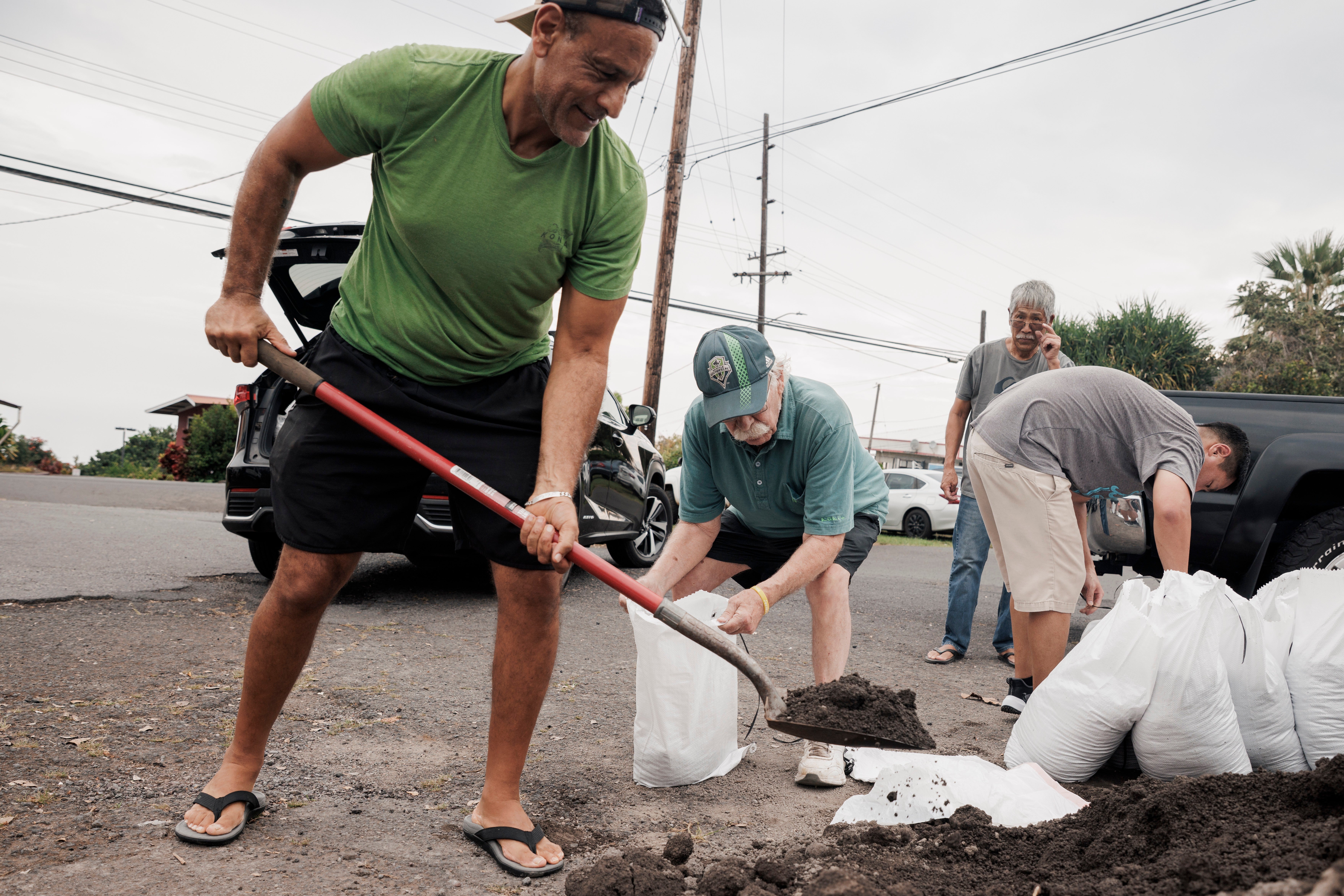
Authorities and local residents were preparing for impact regardless of whether the island takes a direct hit. Public shelters were scheduled to open and events were canceled.
 open image in gallery
“It doesn’t take landfall to create destruction,” Almanza noted, highlighting that severe weather effects frequently extend beyond the storm’s center.
Rainfall predictions from the hurricane center range from 8 to 12 inches (20.3 to 30.5 centimeters) on Maui and lower areas of the Big Island, with 4 to 6 inches (10.2 to 15.2 centimeters) expected state-wide.
The center cautioned that the storm could cause “life-threatening flooding and mudslides, especially in areas of steep terrain,” along with dangerous storm surges and ocean conditions “likely to cause life-threatening surf and rip current conditions.”
As of 5 a.m. local time, Tropical Storm Lala was positioned roughly 110 miles (175 kilometers) southeast of South Point, Hawaii, carrying maximum sustained winds of 65 mph (100 kph) and moving west-northwest at 13 mph (20 kph), forecasters said.
Officials urge public to stay alert
State Rep. Jeanné Kapela traveled from Honolulu to her Big Island district to assist constituents, urging everyone to stay vigilant.
The southern region of the island is remote and rural, dominated by coffee farms and cattle ranches, but its population is expanding due to housing affordability. Kapela voiced deep concern for people living off-grid in unpermitted structures.
“If you feel now that your house doesn’t have a great roof or might not be able to withstand hurricane force winds, then first things first you go to a family or friend’s house and you kind of hunker down there,” she texted to The Associated Press as her flight took off Friday.
“We’re hopeful the storm moves through quickly, but we’re preparing for whatever comes.”
 open image in gallery
Numerous areas in Hawaii are still dealing with severe flooding from March, Kapela noted. “We know how quickly heavy rain and flooding can impact our rural communities.”
Farmers still recovering from those spring floods, including growers on Oahu’s North Shore, worried about further damage, according to Hawaii Farm Bureau executive director Brian Miyamoto.
Coffee grower Bruce Corker noted weather was “sunny and beautiful” Friday in Holualoa, on the west side of the Big Island, with local stores operating normally, though the threat of “streams overflowing and high winds” caused concern.
Wildfire risks increase during windy weather
As wind speeds picked up across the state, Almanza warned that dry, breezy outer conditions could elevate fire danger.
In 2023, high winds pushed by a distant offshore hurricane fueled a destructive fire in Lahaina, Maui.
“Since the fire, everybody is way more aware of weather in general and our environment and things that are happening,” said Archie Kalepa of Lahaina, who is well known for his watermanship and has been monitoring the approaching system closely.
Further northwest up the chain, Kauai was hit by Category 4 Hurricane Iniki in 1992. That storm occurred during an El Nino year—like the current season—when elevated ocean temperatures near the equator boost Pacific storm activity and shift global weather patterns.
“It did $3 billion worth of damage. It destroyed thousands of homes, and it did kill six people,” stated Steven Businger, the University of Hawaii professor who researched the 1871 storm.
“We just can never know if a storm is going to turn.”