


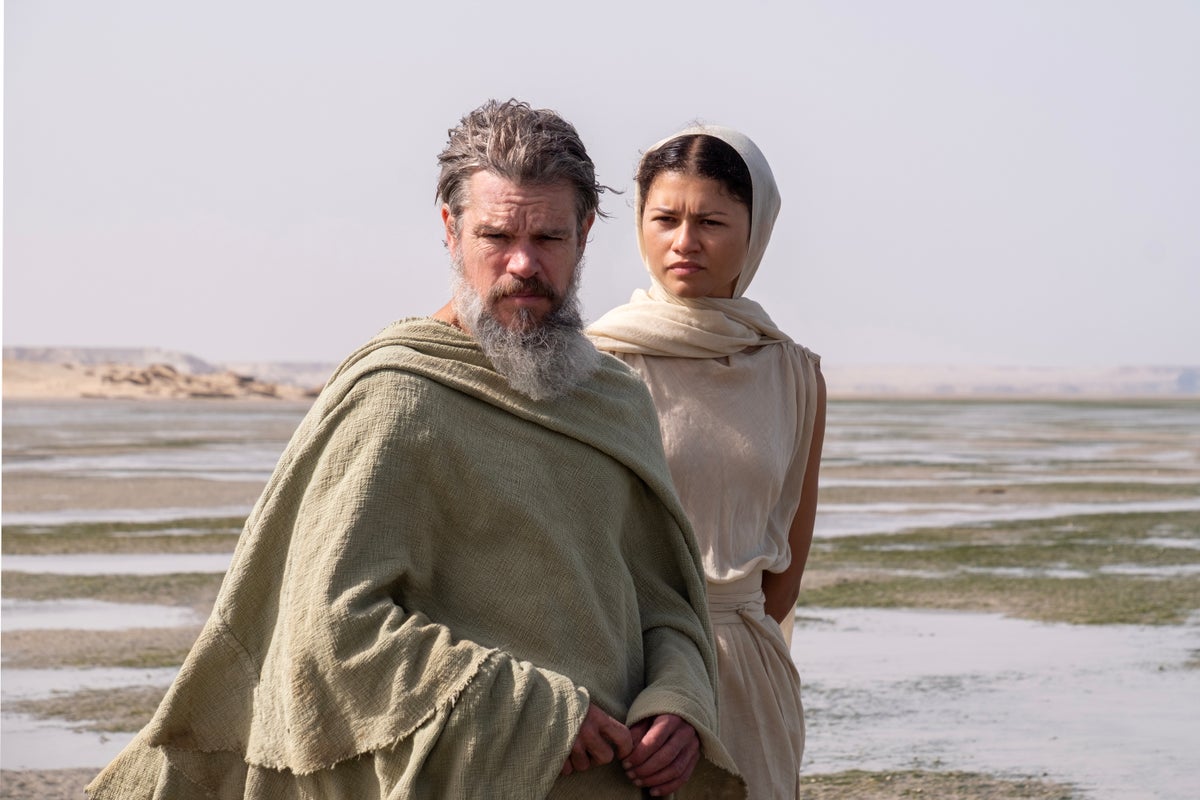
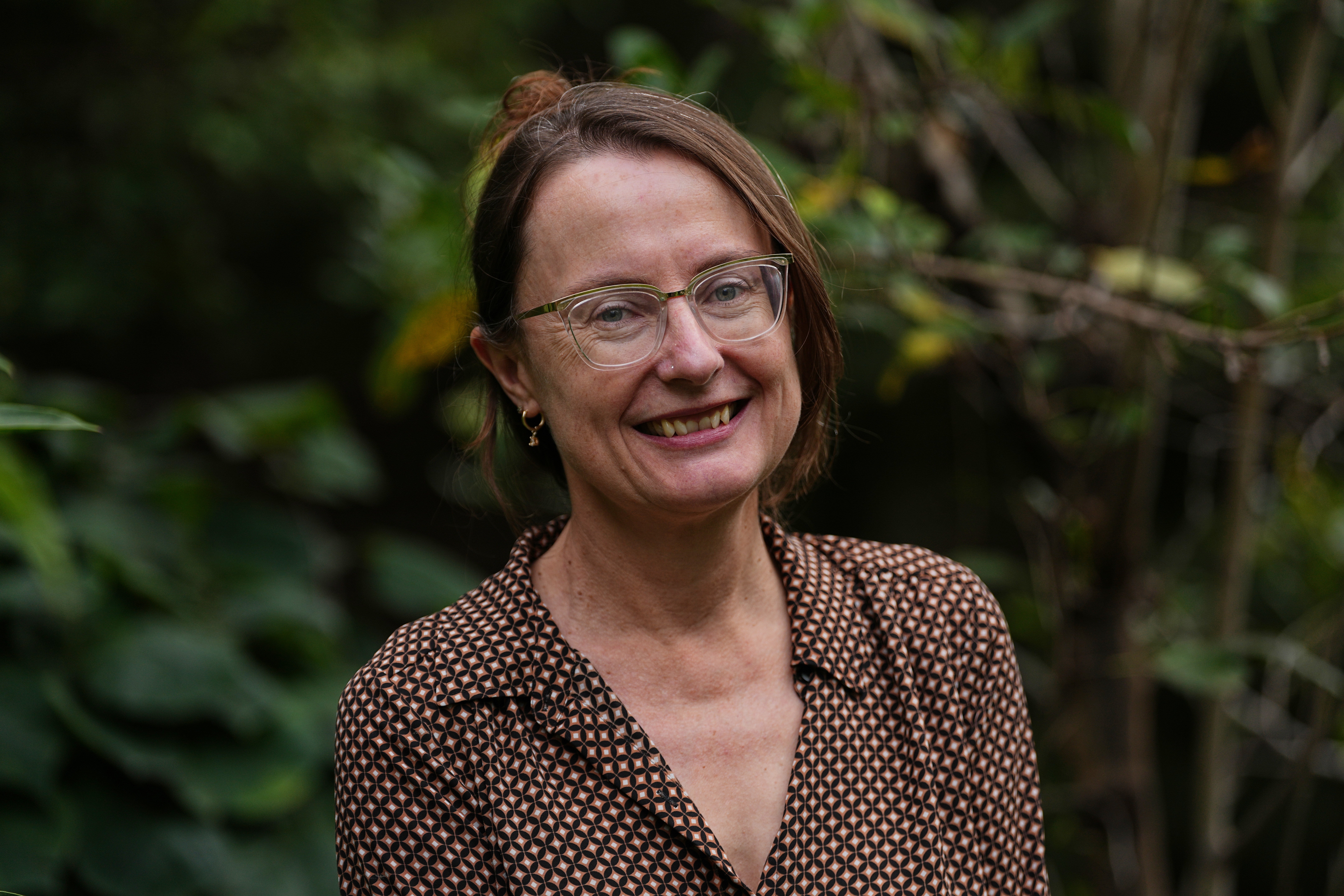
Emily Wilson is retranslating Homer’s The Odyssey from scratch, less than a decade after her acclaimed first version and weeks after she called Christopher Nolan’s film adaptation of the Greek epic “abysmal”.
“It’s a complete retranslation. It’s not a revision of the old version,” Wilson told the Associated Press, adding that she was already “about halfway through”.
Wilson’s first translation, published by WW Norton in December 2017, was the first complete English translation of The Odyssey by a woman. It became a major bestseller, selling more than a million copies, and was particularly praised for its contemporary, accessible English, and for matching the number of lines in Homer’s Greek original.
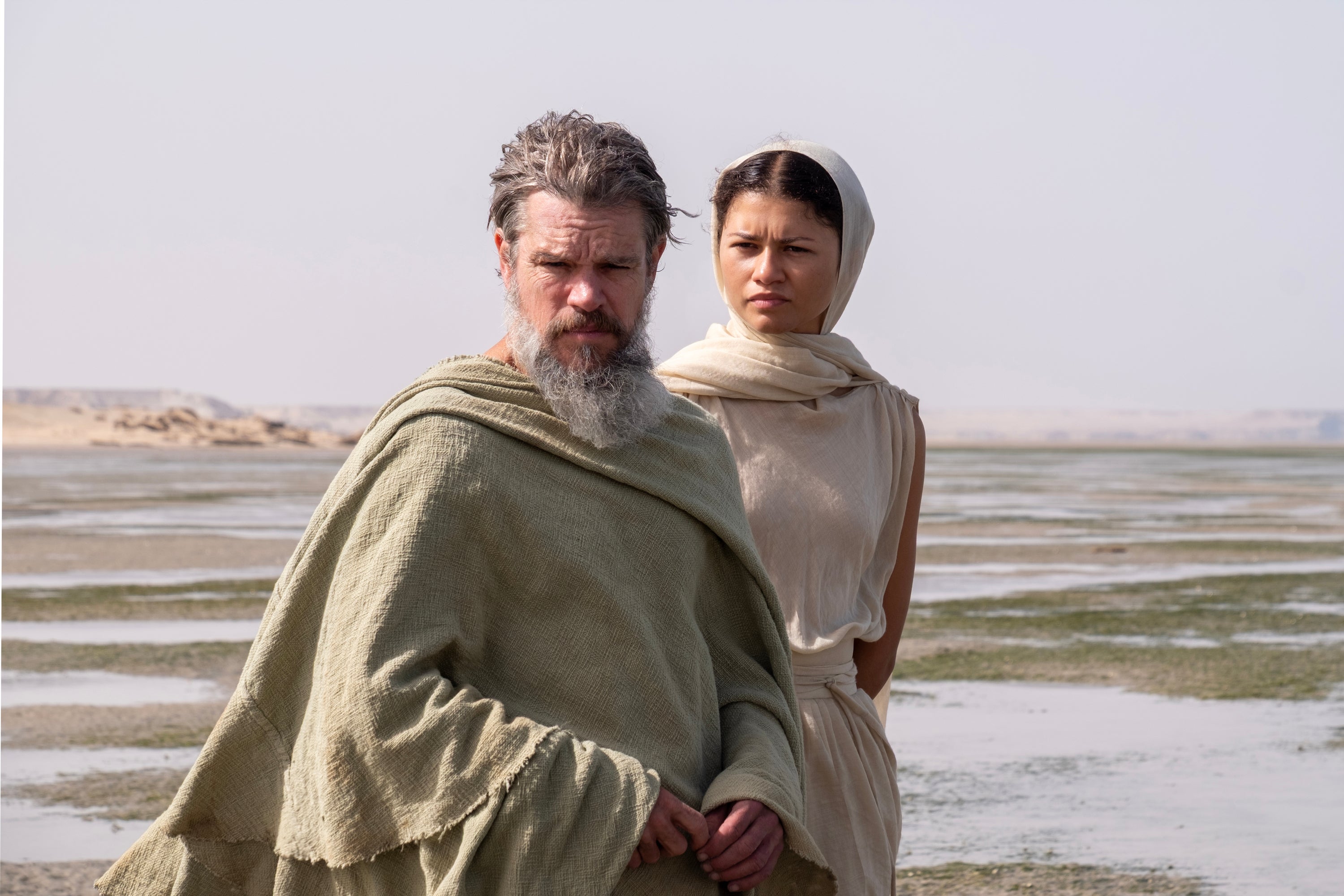
Nolan later cited Wilson’s version as an influence on his adaptation, particularly its opening, “Tell me about a complicated man”. Released in July 2026, the film stars Matt Damon as Odysseus and follows his journey home to Ithaca after the Trojan war.
While the movie opened to rave critical reviews, including from Clarisse Loughrey at The Independent who called it Nolan’s “best film to date”, Wilson seemed less taken, writing in her review for the London Review of Books that the writing was “abysmal” and lacked “psychological, emotional, political, and ethical depth”.
 open image in gallery
A week later, she doubled down on her criticism in an essay for The Atlantic, calling Nolan’s film “a kind of Trojan horse”.
“The script grandly insists on the importance of human kindness, while the camera shows us an entirely different set of values,” she wrote.
Wilson shared that her new translation of The Odyssey would take an approach closer to that of her translation of The Iliad, and use “somewhat more lines than the original, enabling more varied word-length and pacing”. “It’s always a huge privilege to get to spend all day reading Homer and wrestling with the endlessly fascinating challenges of how to convey ancient Greek into fluent English verse,” she told The New York Times.
One change Wilson says she will make is to the word “slave”, which she now feels she overused, as ancient Greek uses more specific terms for different categories of enslaved people.
The new edition is expected to be longer and “better reflect the differing social worlds of Homer’s poem”, she said.
Nolan, and other readers attached to the opening of Wilson’s first Odyssey, could rest a bit easy as Wilson said she would “probably” retain it in the new version.
 open image in gallery
In August this year, she told the Instant Classics podcast this would likely be her last translation of The Odyssey. “Yes, there’s a whole Penelope weaving and unweaving and weaving and unweaving element to this,” she said. “The editors are going to cut me off and say, no more. We can’t do any more Odysseys. And it’s fine. I have lots of other projects I want to do as well. So this is it.”
Shortly after the release of Nolan’s adaptation, sales for Wilson’s translation rose by more than 1,000 per cent in the UK compared with the same period in 2025, Waterstones told the AFP news agency.
The bookseller said sales were “increasing every week”, along with purchases of “all other available translations” of The Odyssey.
In spite of Wilson’s disappointment with Nolan’s take on The Odyssey, the film continued to do remarkably well in theatres. The film opened with $264.1m worldwide, giving Nolan the biggest opening weekend of his career and surpassing the $249m debut of The Dark Knight Rises.
The film also set records for its IMAX release, taking $52m worldwide in its opening weekend, after becoming the first theatrical film shot entirely with IMAX 70mm film cameras.