


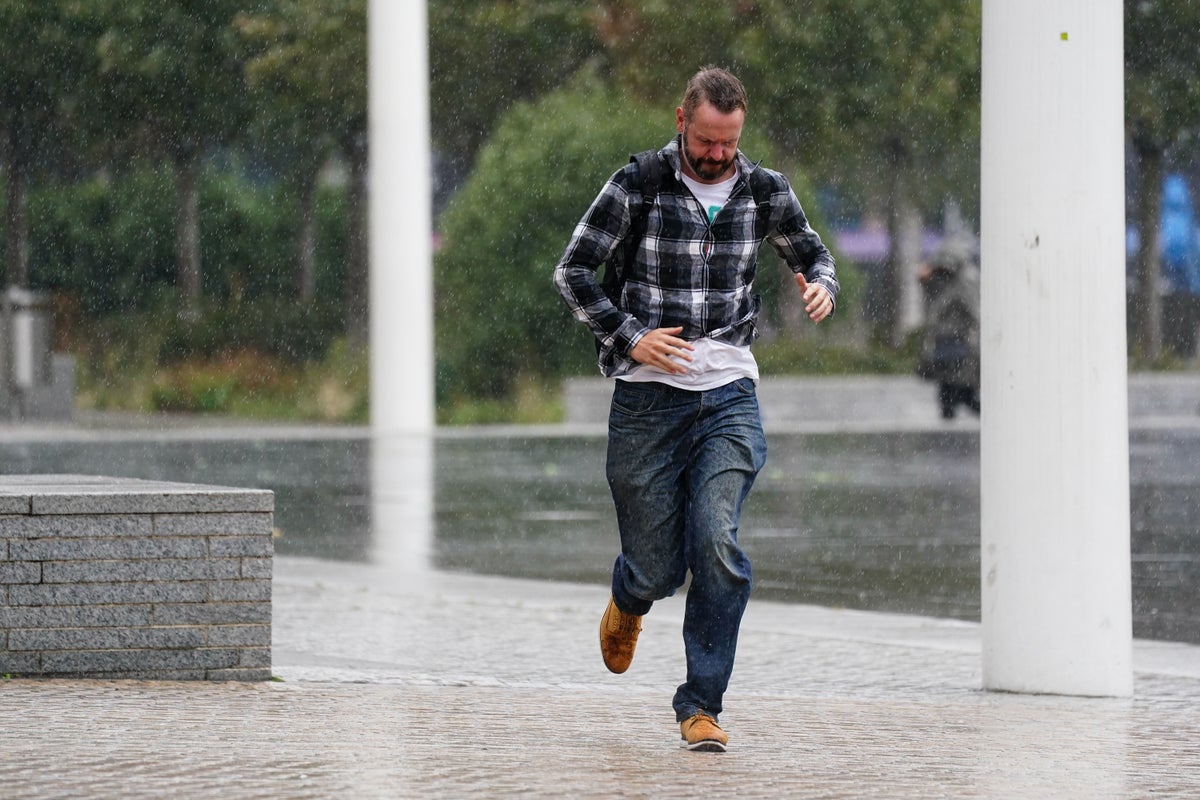
The UK could experience “milder, wetter and windier weather” this autumn and early winter, the Met Office has indicated, as the El Nino climate pattern takes hold.
The US National Oceanic and Atmospheric Administration (NOAA) confirmed the phenomenon on Thursday, defining it as a warming of the Pacific Ocean near the equator that influences global weather systems.
Meteorologists have cautioned that this El Nino could match or even exceed the powerful event of 1997-1998, which led to widespread droughts, flooding, and other natural disasters across the globe.
Grahame Madge, a Met Office climate spokesman, described El Nino as a “significant event” and “possibly one of the strongest we’ve had in recent decades.”
However, Mr Madge added that the connections between this Pacific event and its potential impact on the UK “are less than certain,” noting that El Nino is “just one of the number of climate drivers that affect weather patterns.”
Mr Madge said: “Typically, when we get an El Nino, it can increase the likelihood of more unsettled conditions later in the year, including a higher chance of milder, wetter and windier weather during autumn and early winter.
“And on occasion, El Nino can also be associated with colder and calmer late winter periods.”
 open image in gallery
The Met Office said it was “highly likely” El Nino will cause a temporary spike in global annual temperature with the residual heat “potentially making next year the hottest in the global series from 1850”.
Mr Madge said: “Sitting underneath that is a pattern of regional variations.
“Some places may be warmer, some maybe not as warm, or even cooler, because of the way global weather patterns operate.”
El Nino typically takes place irregularly every two to seven years and usually lasts nine to 12 months.
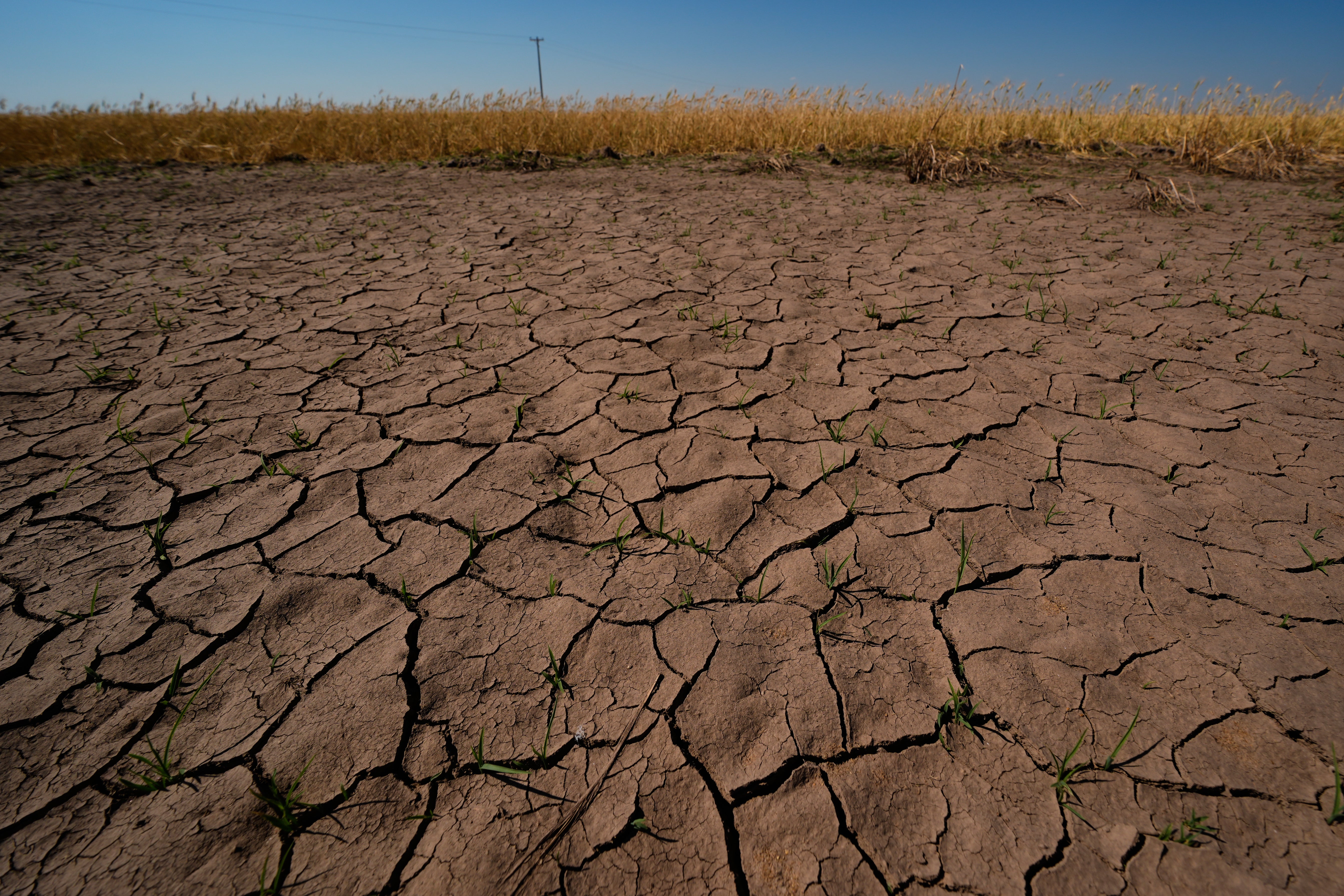
It increases the risk of drier conditions in parts of Indonesia, Australia, India and central and equatorial South America, while wetter conditions are likely in some other regions of South America and the southern United States.
The Met Office said a large El Nino was now under way and “will persist and grow through the remainder of the year”, however, there is “significant uncertainty on how intense the event may ultimately become”.
 open image in gallery
A warming in the Pacific alters atmospheric circulation, including the position of the jet stream and the distribution of tropical rainfall – and these changes can shift storm tracks and influence temperature and rainfall thousands of miles away.
Professor Adam Scaife, head of long-range forecasting at the Met Office, said: “Met Office predictions have been signalling for some time that this latest El Nino is likely to be a significant event – perhaps one of the most intense on record – with the potential to bring severe impacts to a number of regions of the world as the event unfolds.
“It is also highly likely that the El Nino will cause a temporary spike in global annual temperature with the residual heat potentially making next year the hottest in the global series from 1850.”
El Nino could place UK food imports under further pressure from climate impacts with farmers producing supermarket staples in poorer nations increasingly unable to work because of heat stress.
Agricultural workers who produce supermarket staples such as rice, coffee, tea and chocolate face increasingly difficult working conditions as climate change drives record-breaking global temperatures, according to an analysis by the Energy and Climate Intelligence Unit (ECIU).
In a report released on Monday, ECIU researchers said developing countries – which are often the most exposed and least resilient to global weather extremes – were the source of 13% of the UK’s food imports, worth £8.9 billion in 2025.
 open image in gallery
Shamika Mone, a rice farmer in India and president of the Intercontinental Network of Organic Farmers, said: “Extreme heat makes the already difficult job of farming even harder.
“There are real fears that hotter, drier weather caused by a super El Nino could damage harvests.
“To safeguard our food system, governments need to cut greenhouse gas emissions – including from fertiliser production – and get more climate finance direct to smallholders and their organisations so they can adapt.”
Dr Ella Gilbert, presenter and climate scientist, most recently at the British Antarctic Survey, said: “If climate heating is loading the dice towards more extreme events, then El Nino is adding weight.
“The developing El Nino will turbocharge global temperatures and disrupt supply chains, piling more pressure onto families in the UK who are already reeling from the spiralling cost-of-living crisis.”