


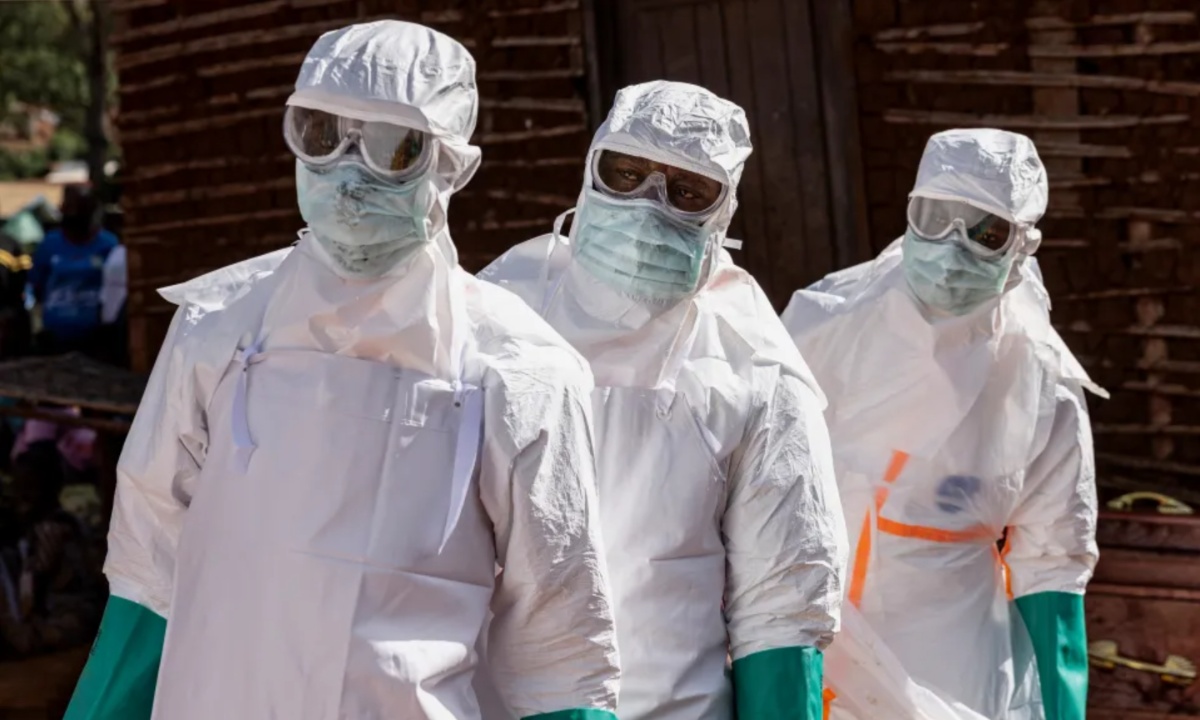

Cross River State has intensified disease surveillance and emergency preparedness measures to prevent any outbreak of Ebola Virus Disease (EVD) following fresh alerts issued by the Federal Ministry of Health over reported cases in Uganda and the Democratic Republic of Congo.
State Commissioner for Health, Dr Henry Egbe Ayuk, said the government had activated a series of preventive measures to ensure rapid detection, reporting and response to any suspected Ebola case in the state.
Speaking in Calabar, Ayuk disclosed that the Public Health Emergency Operations Centre (PHEOC) had been placed on alert mode, while surveillance activities and active case searches had been strengthened across all 18 local government areas, particularly border communities.
He said health authorities were closely monitoring travellers from affected countries and investigating any unexplained illness or death associated with symptoms linked to Ebola, including bleeding.
The commissioner added that surveillance officers, clinicians, healthcare workers and port health officials had been sensitised on case definitions, referral procedures, isolation protocols and reporting mechanisms, while collaboration with neighbouring Cameroon and interstate border authorities had been strengthened.
According to him, screening and follow-up of travellers are ongoing at airports, seaports and land borders, while infection prevention and control measures, including hand hygiene, use of personal protective equipment and strict isolation procedures, are being reinforced in health facilities.
Ayuk said the state had also adopted a multi-sectoral “One Health” approach involving health, environmental, animal health, port health and security agencies to coordinate preparedness efforts.
He assured residents that no Ebola case had been recorded in Cross River but urged the public to remain vigilant and promptly report suspected cases.
Meanwhile, stakeholders in Nigeria’s health insurance sector have called for mandatory health insurance coverage for all residents as part of efforts to achieve Universal Health Coverage (UHC) and reduce out-of-pocket healthcare spending.
The position formed part of a communiqué issued at the end of the maiden National Summit of State Social Health Insurance Agencies (SSHIAs) held in Akure, Ondo State, under the theme, “Economic Realities and the Universal Health Coverage Dream: Mobilising States for a Scalable Health Insurance Future.”
Participants at the summit identified high healthcare costs, poverty, weak financing mechanisms, inadequate political commitment, low insurance penetration among informal sector workers and disparities in implementation across states as major obstacles to achieving universal health coverage.
The summit recommended stronger political commitment by state governments, mandatory health insurance backed by clear legal frameworks, harmonisation of federal and state schemes, improved regulatory oversight and sustainable financing models.
Stakeholders also advocated increased investments in primary healthcare infrastructure, healthcare workforce development, essential medicines and digital health systems, while urging states to prioritise women, children, rural dwellers, persons with disabilities and workers in the informal sector.
Speaking after the summit, Director-General of the Cross River State Health Insurance Agency, Dr Godwin Iyala, described the gathering as a valuable platform for learning new strategies to expand health insurance coverage and improve service delivery.
Iyala said the Cross River delegation used the opportunity to engage with stakeholders from across the country and explore innovative approaches to strengthening the state’s health insurance scheme, reaffirming the agency’s commitment to advancing universal health coverage for all residents.
Don’t Miss
June 12: PDP’s Amuzu decries insecurity, says Nigerians must demand good governance
