


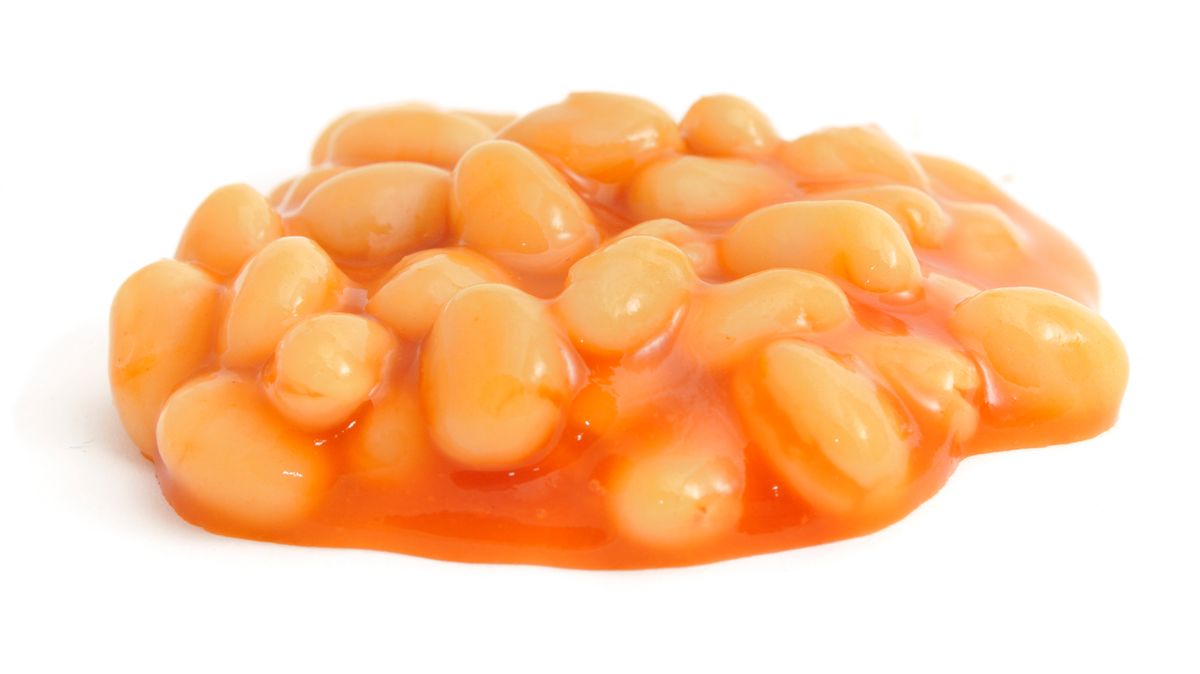
Swapping sausages for baked beans could be key to avoiding a heart attack, research suggests.
A scientific review shows people who eat more beans and peas, known as legumes, and soy-based food have a reduced risk of high blood pressure.
Legumes, which also include peanuts, chickpeas and lentils, are a rich source of protein and experts said they are a healthy replacement for red and processed meats.
Researchers, including from King’s College London, reviewed 12 studies covering over 100,000 participants and found that just under two portions a day of legumes was linked to a 30% lower risk of dangerously high blood pressure.
 View 3 Images
Sausages and beans are two of the classic components of the full English breakfast(Image: Getty Images)
Study author Dr Dagfinn Aune said the benefit could be in part because legumes contain “minerals, fibre and bioactive compounds”, adding: “Both legumes and soy are high in potassium and magnesium which have demonstrated blood pressure-lowering effects. Legumes and soy are also rich in dietary fibre which is linked to lower rates of hypertension and overall cardiovascular disease risk.”
Baked beans are usually made from navy beans or haricot beans, which are a type of pulse and a subset of the legume family. However tomato sauce in canned baked beans contains sugar which can mitigate some of the health benefits. Commenting on the study, the British Heart Foundation said legumes are a cheap and healthy source of plant-based protein.
Eating too much red or processed meats is known to increase the risk of cancer and heart attacks but vegetarians can struggle to get enough protein in their diet from plant-based sources. Protein is key to maintaining muscle mass.
The new study concluded that eating around 170g per day of legumes was the optimal amount for cutting high blood pressure. Researchers said 100g of legumes is “equivalent to a serving size of approximately one cup or five to six tablespoons of cooked beans, peas, chickpeas, lentils or soybeans”.
Tracy Parker, senior dietitian at British Heart Foundation, said: “This reinforces existing UK guidance to eat more beans, lentils and other plant-based foods.
 View 3 Images
Peas are another legume high in protein and fibre(Image: Getty Images/Westend61)
“Legumes and soy are naturally low in saturated fat and salt, and provide fibre, potassium, magnesium and plant proteins – nutrients known to help maintain healthy blood pressure. They also tend to replace less healthy options on the plate, which may contribute to the overall benefit.”
The review also found a 28-29% reduction in high blood pressure risk for people who ate on average 60g to 80g of soy-based foods daily, which was the optimal amount. Soy-based foods are a popular ingredient in Asian dishes and include tofu, edamame, tempeh and miso.
Tracy Parker added: “The amounts linked with lower risk in this study – around 170g per day of legumes and 60-80g per day of soy foods – make them an affordable and easy choice to incorporate into everyday meals.
“Simple swaps, like choosing beans, lentils, chickpeas or tofu in place of processed meats, can make a meaningful difference and help support healthier blood pressure as part of an overall balanced diet.”
Article continues below
Previous research has found a lower risk of heart disease with legumes and soy, but evidence relating to high blood pressure has been mixed. The latest findings are published in the journal BMJ Nutrition Prevention and Health.