


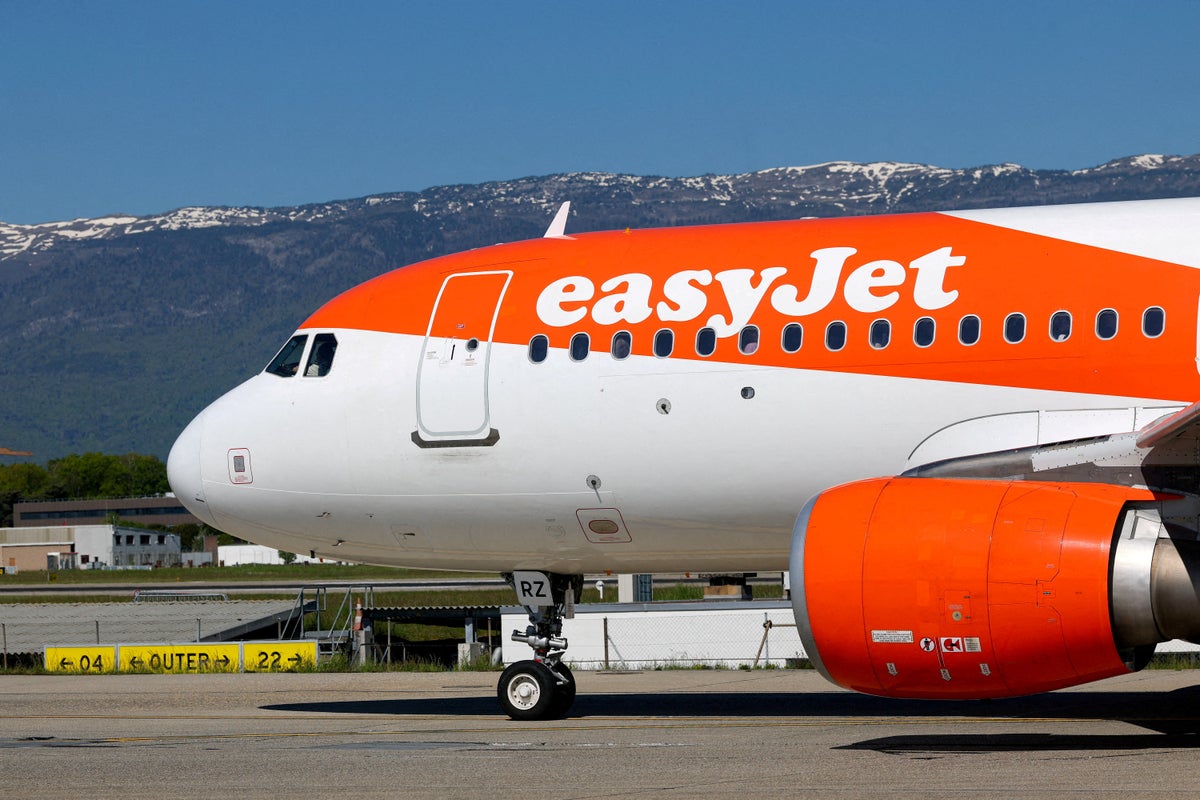
EasyJet has reported a 70 per cent slump in profits due to soaring fuel costs and lower bookings caused by the Iran war.
The news comes just weeks after the budget airline agreed to a £5.7 billion takeover.
EasyJet reported that its pre-tax profits tumbled to £85 million in the three months to 30 June, from £286 million a year earlier.
It said that its fuel costs had risen by £105 million after the Middle East conflict sent energy prices rocketing.
Flight bookings had begun to improve slightly, but the overall outcome for the full year “remains dependent on the important remaining bookings, as well as fuel prices, which continue to be volatile”, it said.
The update follows just two weeks after easyJet reached an agreement in principle on a £7.15-a-share takeover by US private equity firm Apollo, which valued the group at £5.7 billion.
It saw Apollo muscle in on a £5.5 billion proposed offer from rival US investment firm Castlelake, which easyJet had also agreed to in principle just days before.
In its third quarter update, easyJet said that passengers increasingly booked closer to departure.
While late bookings were strong, this did not fully offset weaker demand due to the Iran war and consumer worries over jet fuel supplies, it said.

Passenger numbers fell 0.4 per cent to 25.8 million in the quarter, while its load factor – a key measure of how well airlines fill their planes – was also lower.
The group said that strong late bookings have continued in the all-important summer season, with “bookings beyond the month of departure also beginning to improve, albeit still needing some price stimulation”.
EasyJet chief executive Kenton Jarvis said: “We have continued to manage the impact of the Middle East conflict, and its effect on fuel prices and booking trends, during the quarter.
“Pricing has been attractive, driving strong late booking demand for our flights and holidays.”
He added: “As consumer confidence increases, we are seeing the load factor gap close for peak summer and an extension of the booking curve as customers continue to prioritise travel.”