


Rice is a staple part of many diets as it makes up the main part of many dishes. The store cupboard staple can make anything from salads, stir-fries and one-pots.
It is simple to cook and pairs well with the likes of chicken, fish, pork and vegetables. Rice is enjoyed all around the world, and there are plenty of different variations.
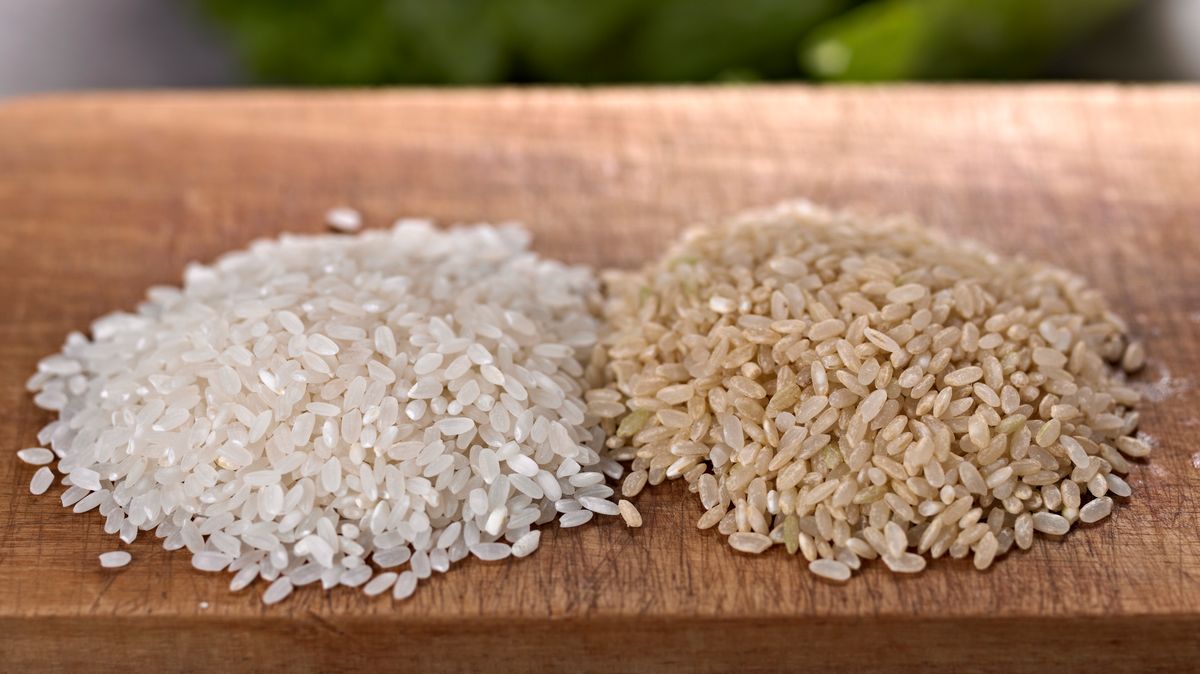
Popular varieties are white rice and brown rice. The difference between them is more than just the colour, so it can be hard to know which one to choose.
White rice can typically be cooked faster than brown rice, with both of them being part of a healthy diet. Brown rice is a whole grain, which means it contains all parts of the grain including the fibrous bran, the nutritious germ, and the carb-rich endosperm.
Meanwhile, white rice has had the bran and germ removed. The most nutritious parts of the grain gets removed but it tastes softer and is easier to digest.
 View 3 Images
Brown rice is more nutrient-dense (Image: Getty Images/iStockphoto)
Both types of rice can be part of a healthy diet, yet brown rice is more nutrient-dense. It delivers more fibre, magnesium, potassium, iron and certain B vitamins.
Harvard Health Publishing explained that choosing brown rice in a diet rich in fibre-filled whole grains is linked with a reduced risk of heart disease, type two diabetes and weight management.
White rice is easier to digest and can be cooked quicker. It is lower in fibre, which can benefit people with irritable bowel syndrome or inflammatory bowel disease.
The calories contained in white rice is similar to that of brown rice. But, white rice has a higher ranking to brown rice when it comes to how it increases blood sugar.
The glycemic index ranks foods from 0 to 100 based on how they increase blood sugar, with the lower the score the slower your blood sugar climbs after you eat.
White rice has a high glycemic index, in the range of 73 ± 4, while brown rice is a medium glycemic index food, with a GI of 68 ± 4.
Harvard Health Publishing added: “Eating white rice is also linked to a higher risk of developing type 2 diabetes, while eating brown rice is linked to a lower risk.”
 View 3 Images
White rice can be easier to digest(Image: Shared Content Unit)
The health experts said: “Brown rice, which contains more nutrients and fibre and has a lower glycemic index value, is a healthier choice for most people.
Article continues below
“But if you’re experiencing a flare-up of a digestive condition that makes it harder to digest fibre, white rice may be a better option for you – at least until your symptoms improve.”