


Nature experts have painted a stark picture of the UK’s future landscape as heatwaves and droughts will dominate summers in years to come.
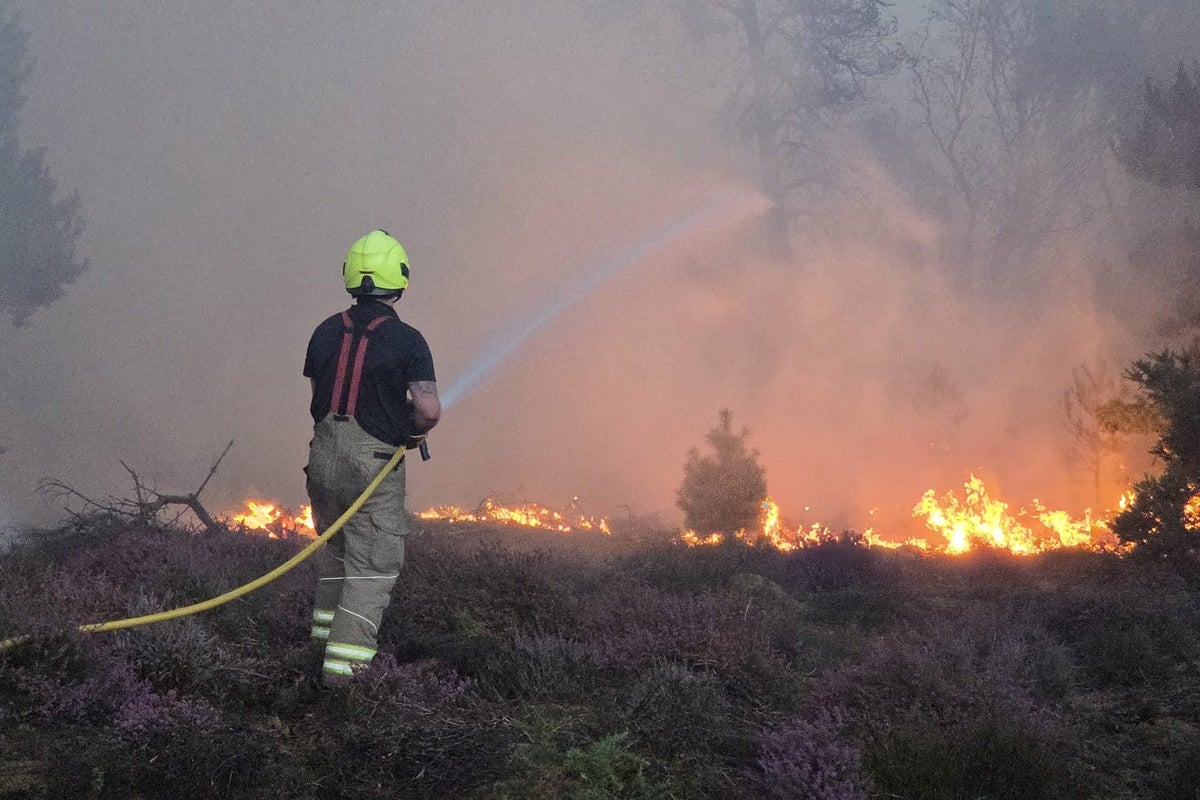
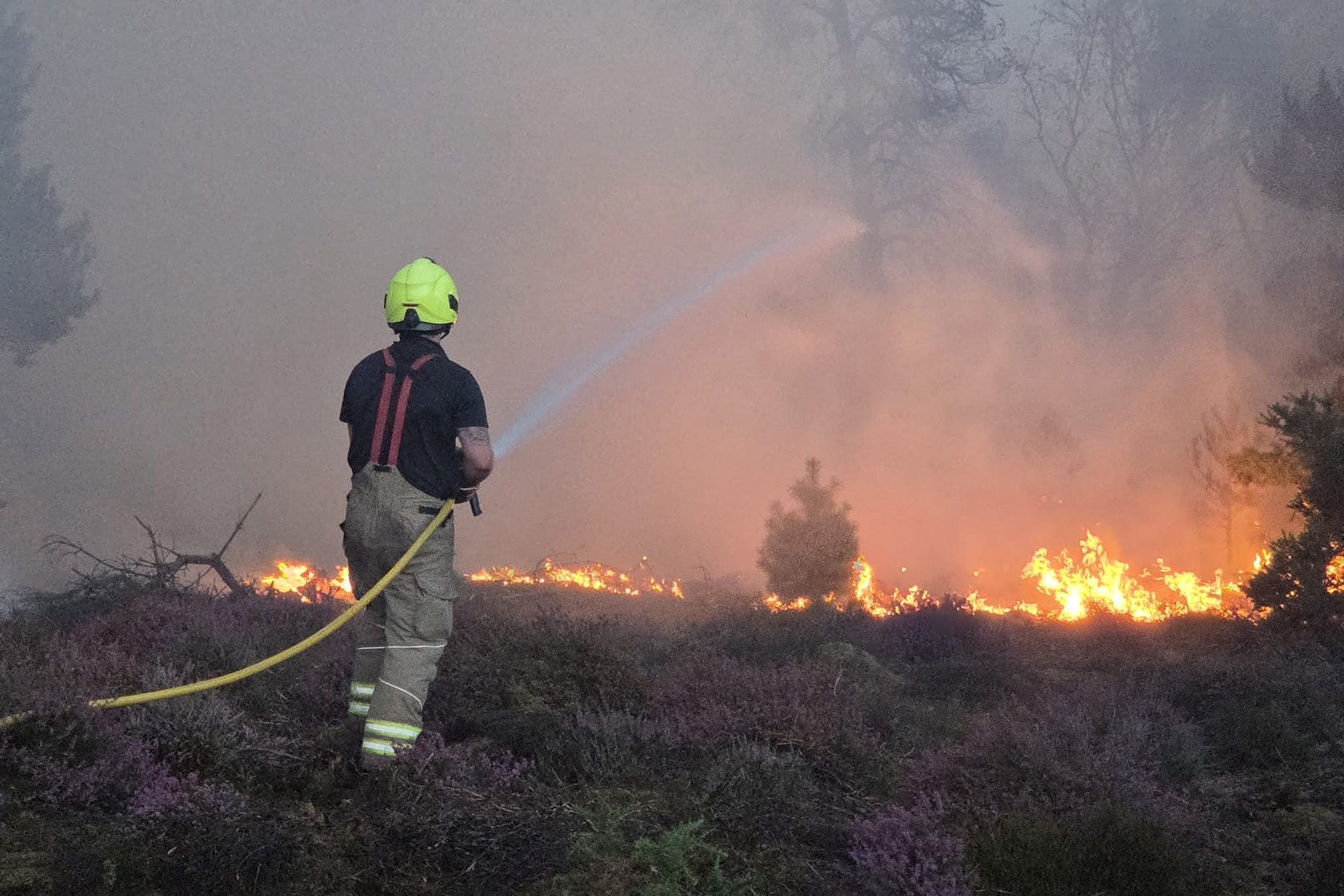
A string of fires have erupted around the country in the past month, including devastating blazes on Suffolk heathland, in the New Forest and in the West Midlands.
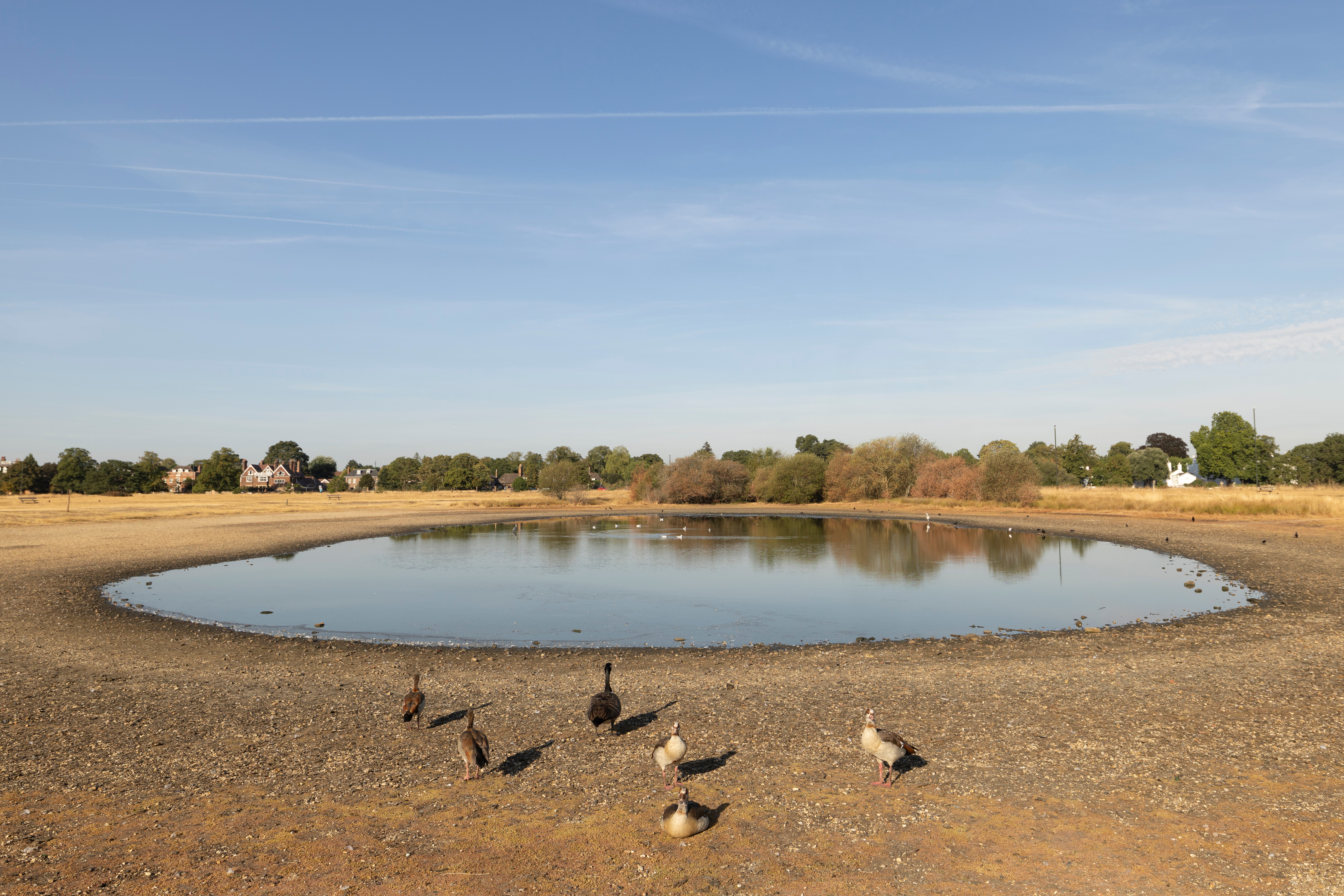
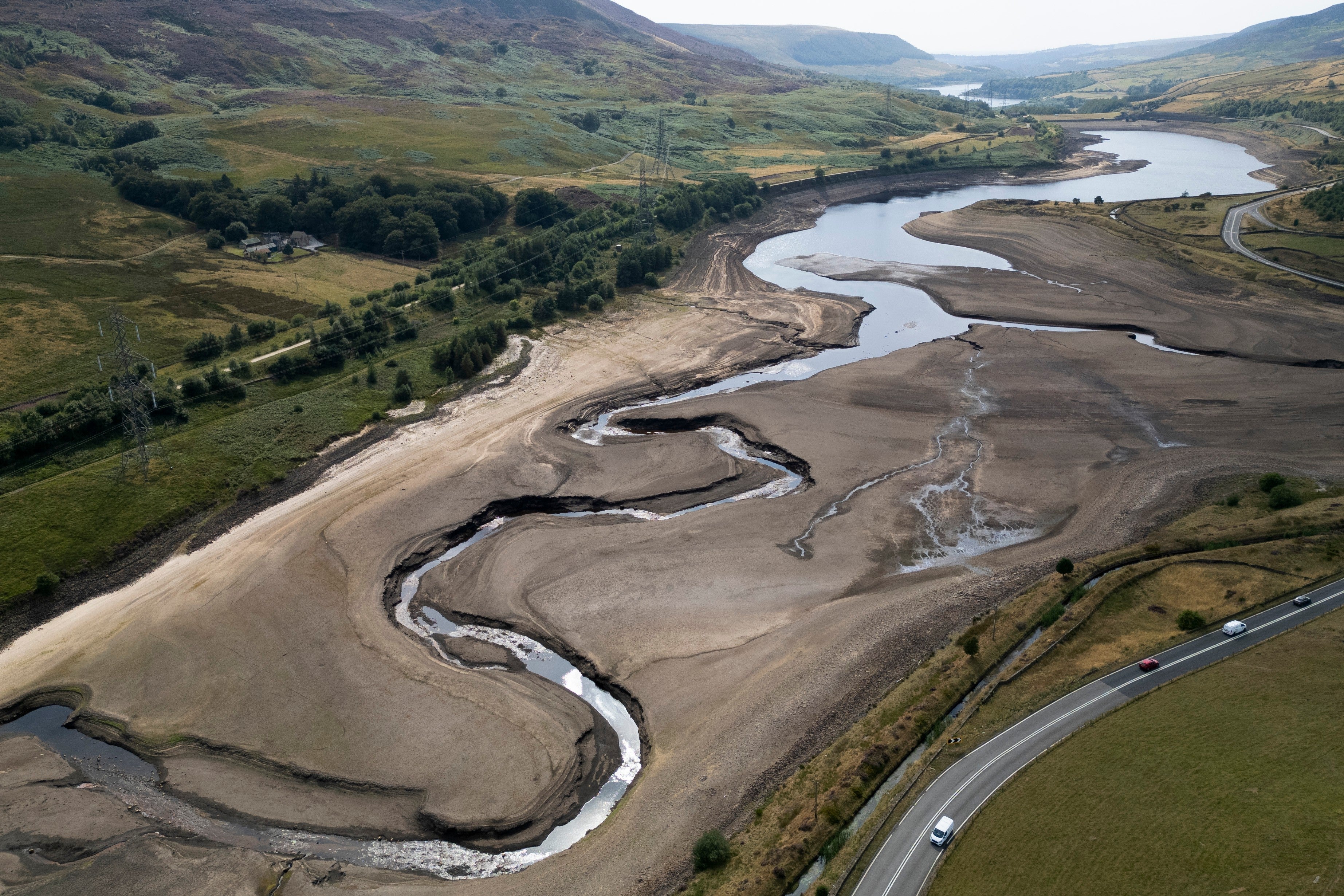
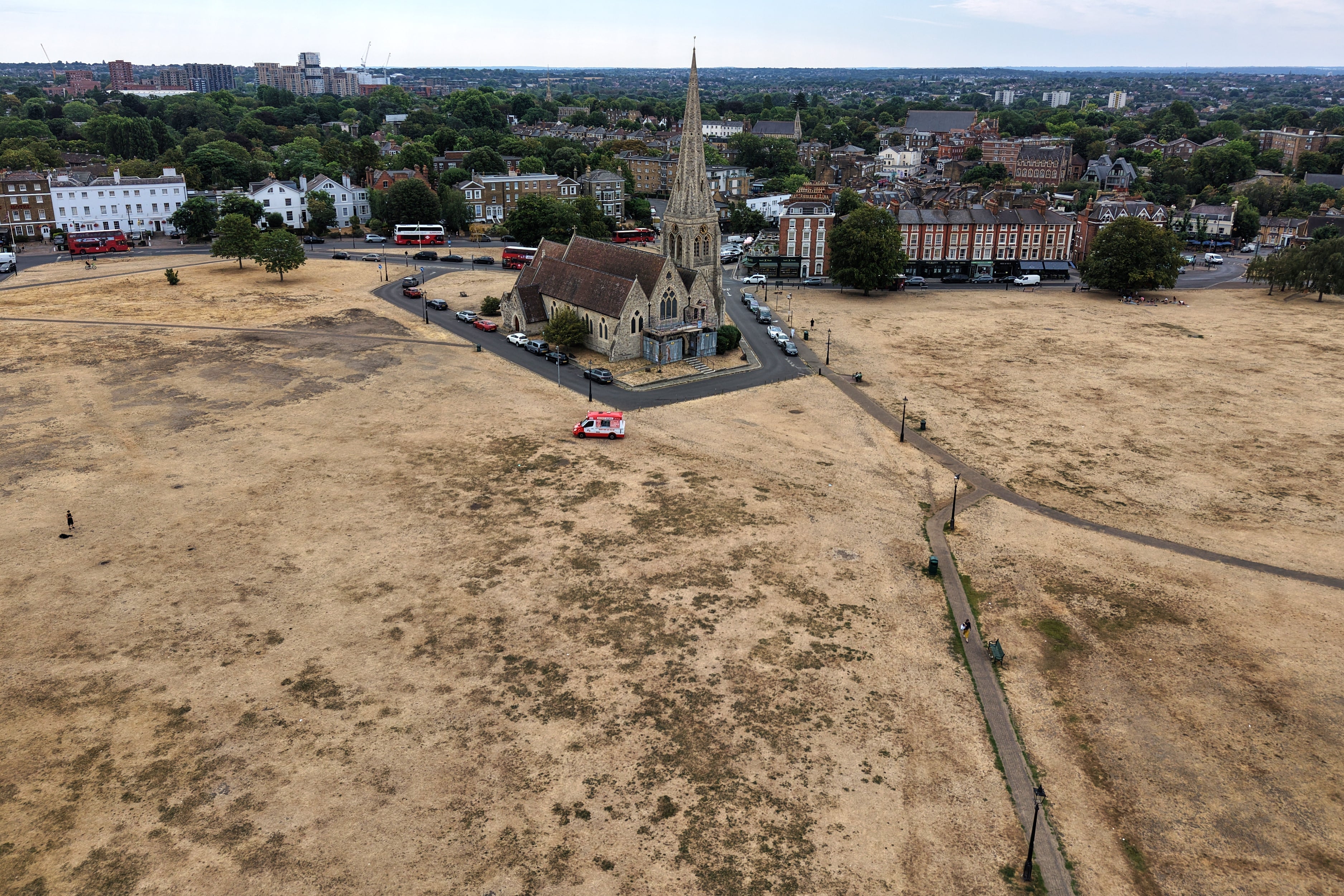
Drought has been declared in about 70 per cent of England, leaving rivers and fields dried up, and the UK is on course for its hottest summer on record.
 open image in gallery
Europe is the continent hit hardest by rising temperatures, and as the climate crisis deepens, the UK will be faced with even hotter, drier summers in years to come.
Experts say the changes – affecting towns and cities, wildlife, parks, farms and even our culture – will be so profound they will harm people’s health and hit Britain’s economy.
Trees and hedges
The most obvious change to the landscape will be physical gaps in tree cover in towns, villages and the countryside, says Emma Gilmartin, senior technical officer at the Arboricultural Association.
“We will feel the effects daily – when we cross the road to get relief from the sun or drive around the car park looking for shade,” she says.
Experts agree that more frequent, long, dry spells will weaken trees, cause canopy dieback and tree deaths, and leave hedgerows more vulnerable.
 open image in gallery
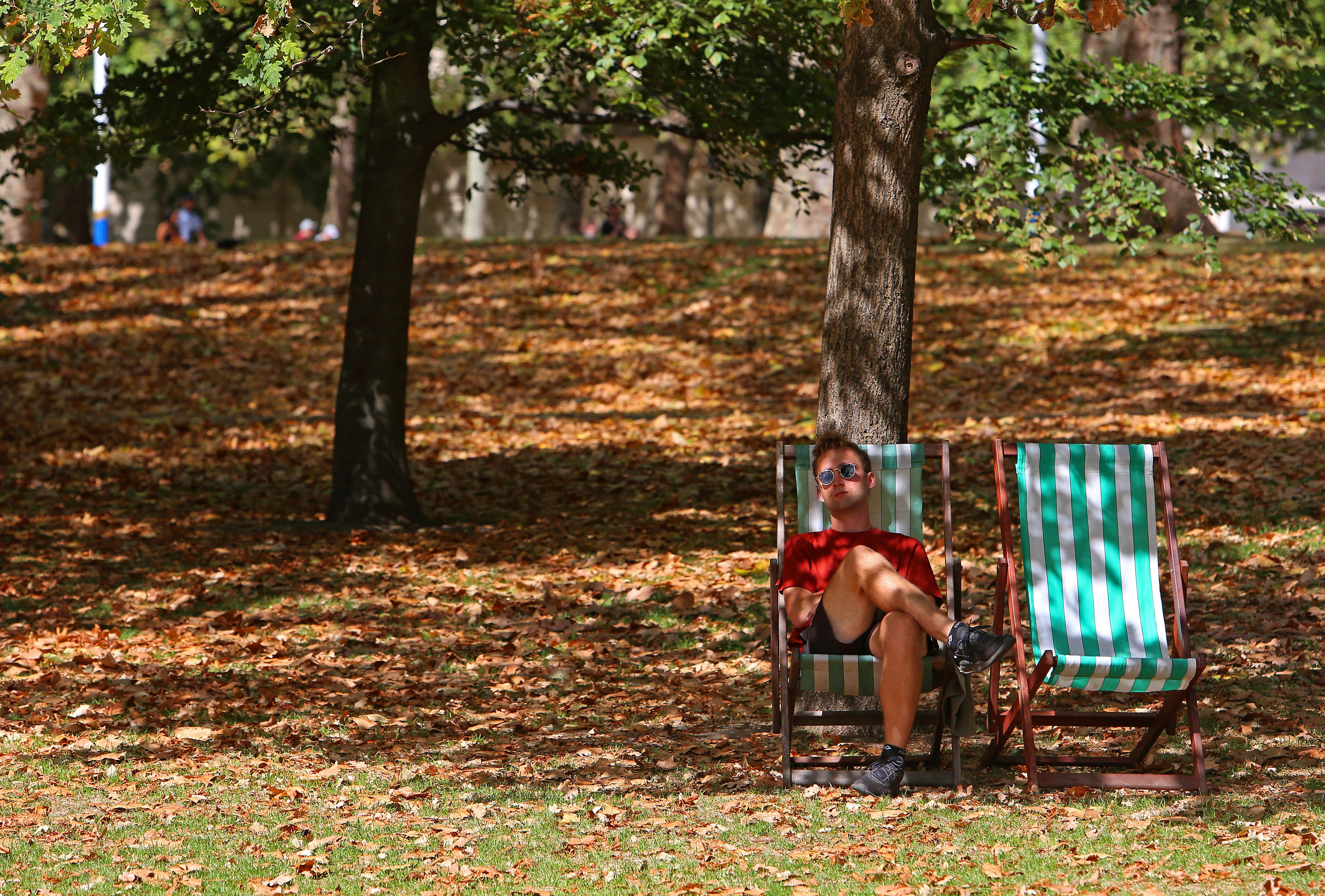
A “false autumn” when tree leaves die, turn brown and fall off has been noticeable this year, and ecologist Sam Durham, who works in nature restoration, says people will notice species dying earlier and the UK’s variety of tree species will narrow.
“Trees can only do that so many years in a row before it stresses it too much and it dies,” he says. “You will see chunks of hedgerows yellowing and dying off.”
Long periods of hot, dry weather also increase the risk of “summer branch drop”, when a seemingly healthy branch suddenly snaps.
 open image in gallery
“This often happens on a still, hot day with no wind or storm to blame, caused by drought stress,” says Jamie Pratt of environmental consultancy Tyler Grange.
Drought-tolerant species such as field maple, hornbeam and holm oak will be increasingly important, he says.
Trees are also one of the best tools for combating climate change and urban “heat islands”, where temperatures in towns and cities are concentrated.
Trees reduce those temperatures by several degrees, and without them, the effects on human health of high temperatures will be even worse.
 open image in gallery
But experts say the UK already faces a crisis in tree establishment. A study commissioned by Fund4Trees found that fewer than half of planted urban trees were in a good condition, and one in five was already dead.
Dr Gilmartin warns that establishing new generations of trees will be increasingly difficult.
“Too many fail to thrive because they do not receive the aftercare they need in the years following planting,” she says, so the environmental, social and economic benefits that motivated their planting are not realised. It can take 40 years or more for trees to grow to maturity that will benefit society.
Drought amplifies all other stresses trees face, such as pests, diseases and urban construction that compact roots, according to Ed Pyne, a senior tree conservation adviser at the Woodland Trust.
 open image in gallery
Using data from Norway, he calculates that within 60 years England may lose half its 3,000 ancient oaks that are over six metres wide.
He warns of a vicious circle in which trees die so they no longer capture carbon.
“We’re creating conditions where it’s less likely that trees will regenerate and we don’t have the cooling effect, so their loss trees is driving the loss of even more trees.”
Wildlife
Much-loved garden songbirds will be vulnerable in future, warns Mr Durham.
“Trees are fruiting so early, but when true autumn arrives, when birds and small mammals and and other creatures start to really need that food – but it’s been and gone,” he says.
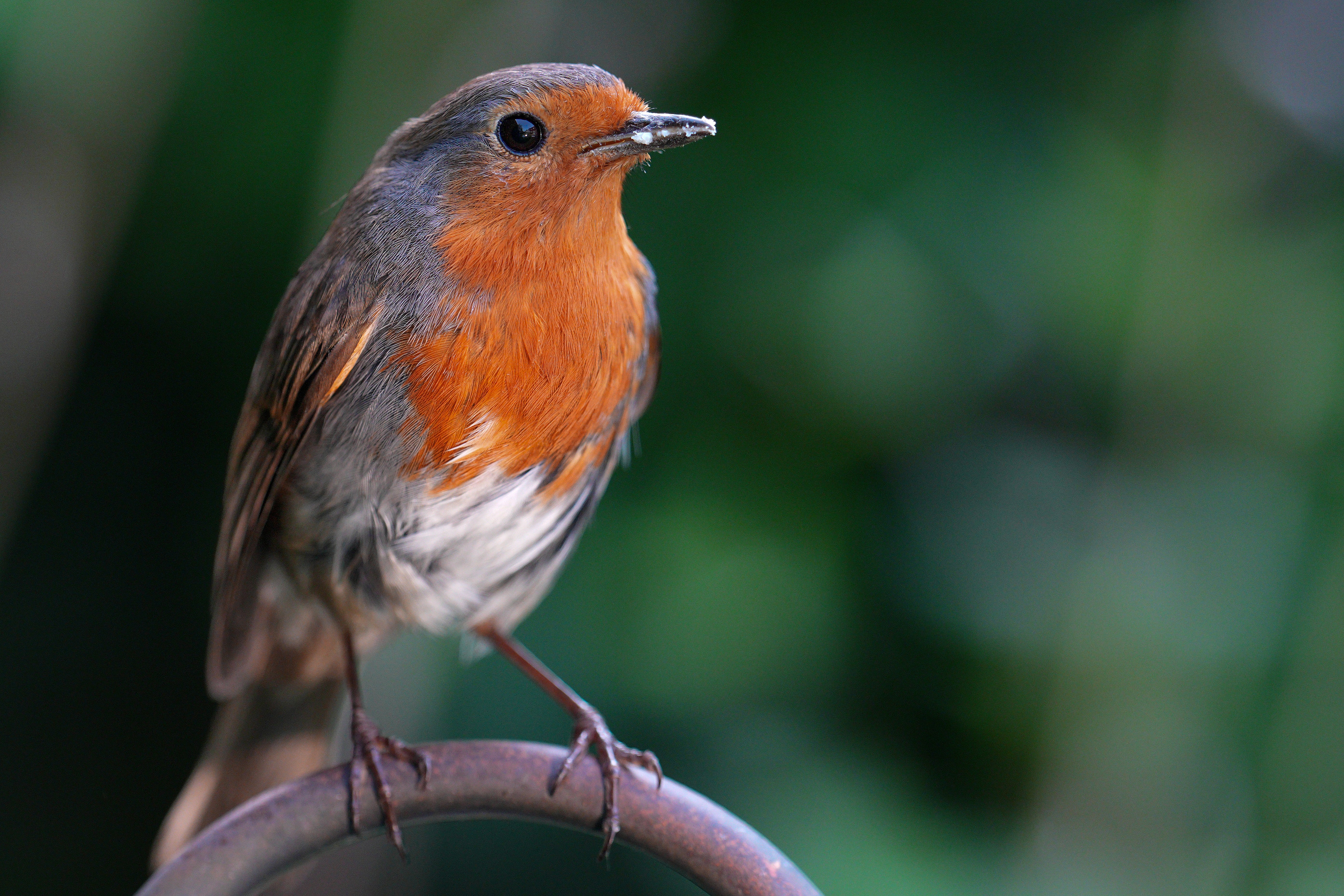
He predicts slow population declines of species, including blackbirds and robins, which forage in damp soil and leaf litter for insects and earthworms.
 open image in gallery
“They’re unavailable when the ground is baked hard,” he says.
“So you will see those declines, and also in charismatic ground-nesting birds of the countryside as well – things like lapwings. The heat stress they’re exposed to through sitting on nests on the ground in incredible heat will means there’s brood failure. And they need damp habitats for their chicks to forage.”
A report from the RSPB in July said climate change is already impacting wildlife in the UK and could cause “unprecedented impacts to birds and nature more widely” unless a number of solutions, such as prioritising high-risk species, are widely implemented across the UK.
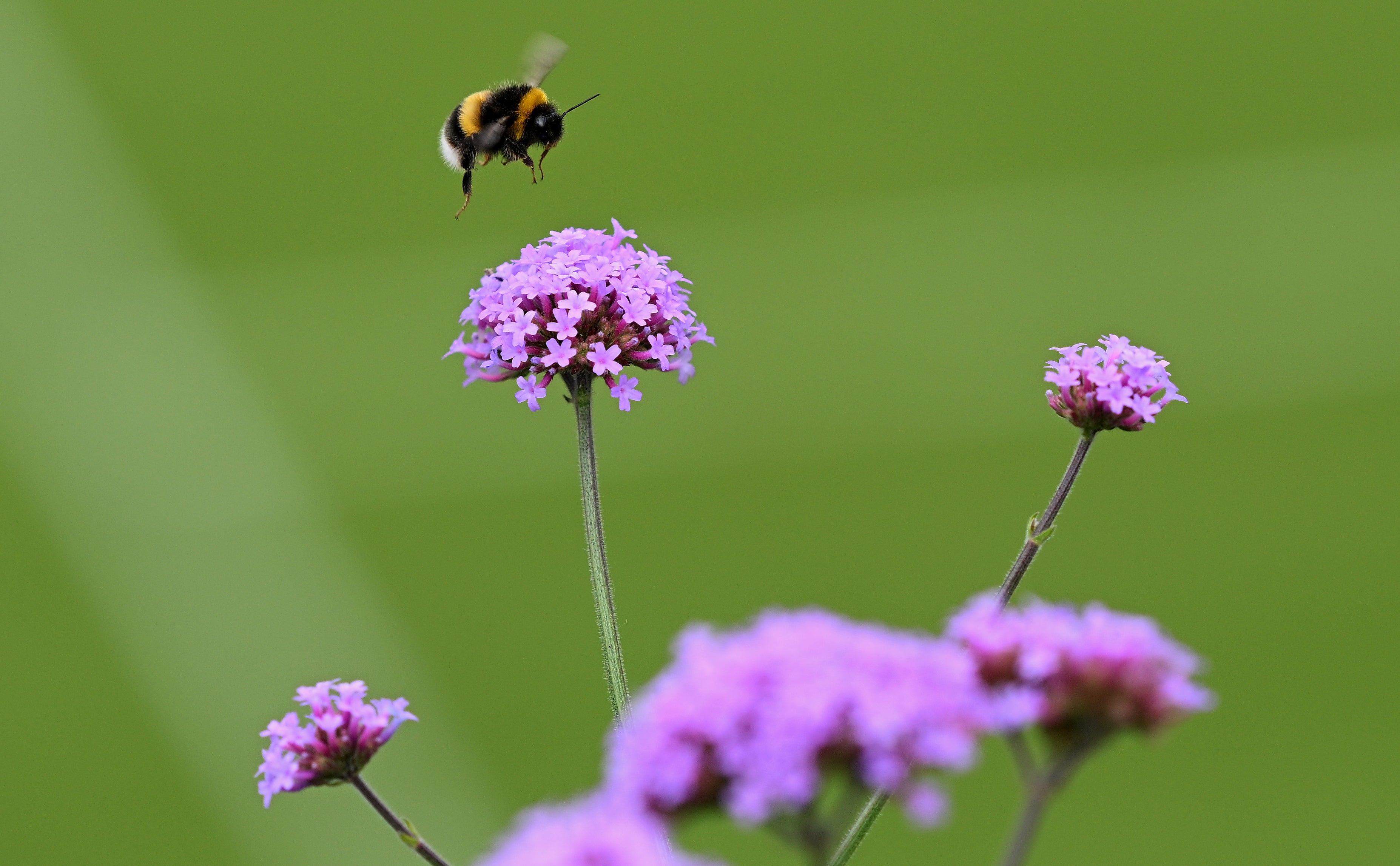
Populations of the much-loved bumblebee could plummet in the south of England as temperatures rise, Mr Durham predicts.
“People will probably stop finding bumblebees because they overheat really easily in these conditions. They’ll slowly shift north,” he says.
 open image in gallery
“And people will slowly stop finding frogs and tadpoles in ponds.”
Frogs, newts and toads will be unable to reproduce as their larvae will not survive dry waterways, he says. Even Atlantic salmon will die off in shallow, hot, oxygen-depleted water, he fears.
Farms
Tree shade is vital for cattle and sheep in fields on hot days, so will suffer the consequences of a dying landscape.
“Animals also need shade,” says Dr Gilmartin. “They also need to forage. Trees are a really crucial part of farming, and increasingly so. Government has recognised that. Fewer trees will prevent animals moving across the countryside.”
“When you lose hubs of old trees, you start losing species associated with them – crop pollinators, for example,” says Pyne. “Natural pest predators are associated with trees.”
From insects upwards, populations of all parts of nature’s food chain will shrink.
The economy, life and culture
A landscape that’s unnaturally hot and dry will have costs for the economy in many ways, says Ms Gilmartin.
“People benefit from trees to shade the streets they walk along to work, school and the shops; these are required for an economy which we know will suffer even under heat projections less severe than what we’re already experiencing.”
Harmful health effects of heat will add to the NHS’s burden. One study even found that patients recover from injuries more quickly if they see trees throught their hospital window.
Considering a plethora of benefits of trees, from carbon capture to noise reduction, a 2021 study by the government and Forest Research estimated the value of UK trees at up to £3.83 billion a year.
People’s everyday lives will be poorer for being hotter, the experts agree.
 open image in gallery
“We’ll see that children won’t be able to go into playgrounds because the tarmac is too hot and there’s no shade. Walks to work will become more difficult. People won’t be able to go visit their high streets for long periods of the day or for weeks at a time because we won’t have that vital green infrastructure,” warns Dr Gilmartin.
Mr Pyne says the cultural value of trees and hedges is immense. “Imagine going to a National Trust site and it not having large beautiful old trees with fantastic romantic vistas and landscapes.”
He says ancient trees inspired much folklore and mythology, from the Sycamore Gap tree to the Major Oak, which sheltered Robin Hood but died this year.