


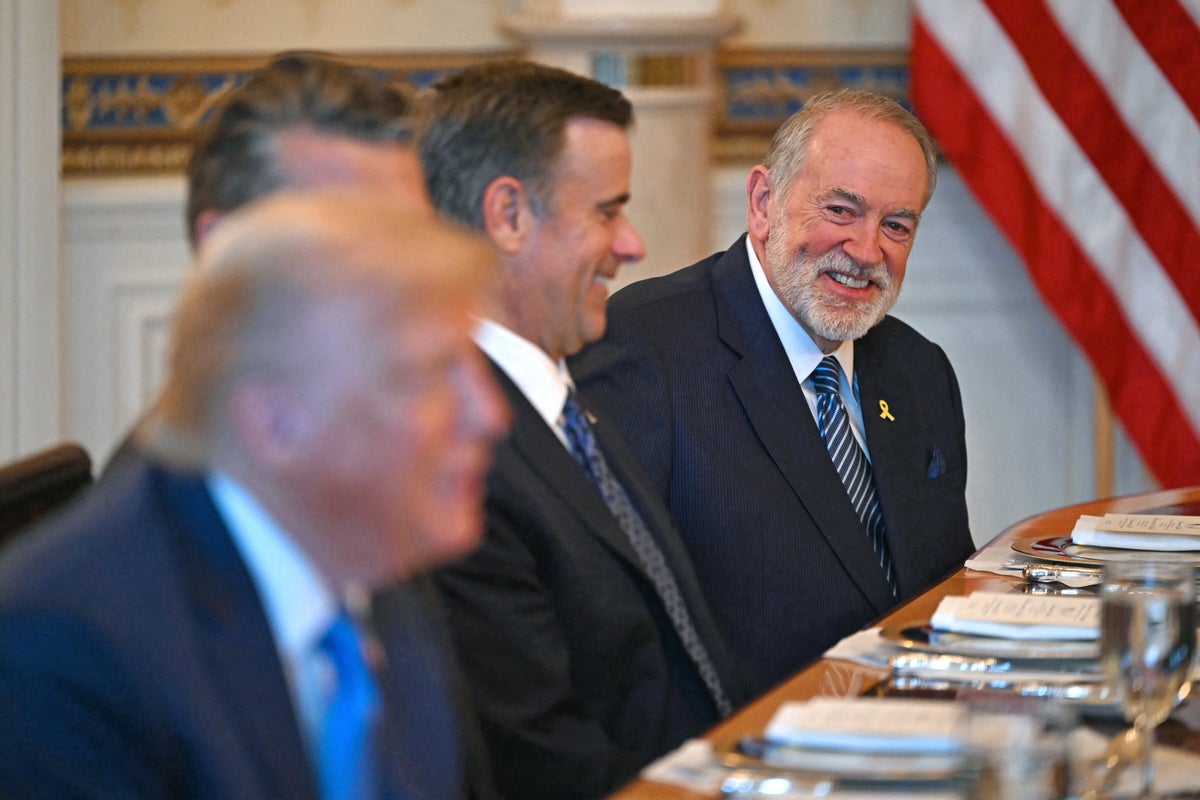
American allies of President Donald Trump recently converged on Jerusalem, seeking to reassure an Israeli public increasingly anxious about the state of its decades-old alliance with Washington. The visit comes amid concerns over a U.S. interim deal with Iran and recent White House criticism that appears to signal growing fissures in the relationship.
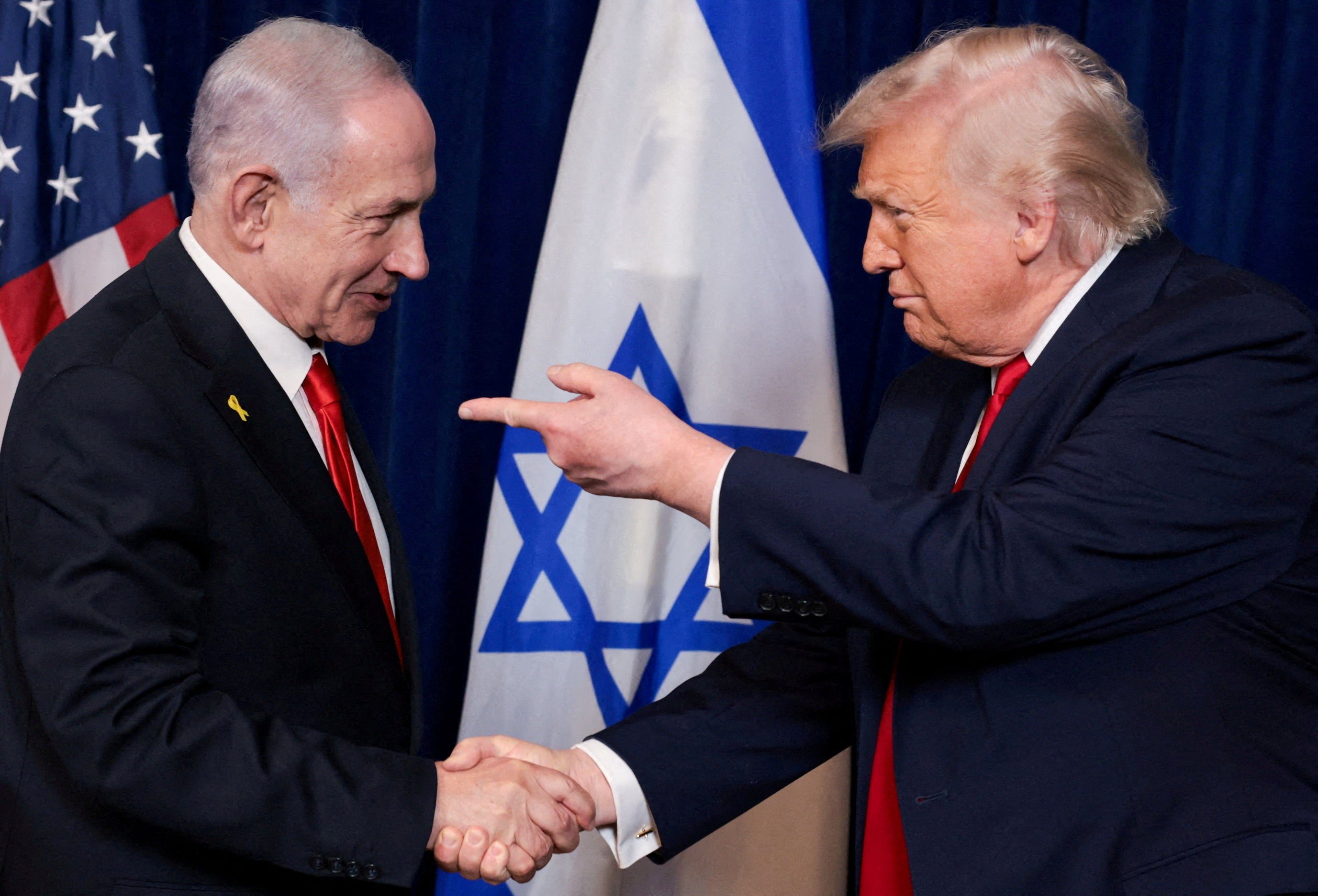
The U.S.-Israeli relationship has been on a turbulent path, moving from early confidence following their joint attack on Iran to public disagreements between President Trump and Prime Minister Benjamin Netanyahu regarding the ongoing four-month-old conflict. Many Israelis, including Netanyahu, fear that President Trump’s memorandum of understanding with Iran could empower a state they consider their deadliest adversary, potentially restricting their ability to counter threats from Iran-backed Hezbollah in Lebanon.
There is a palpable sense that the U.S. alliance, long the cornerstone of Israel’s strategic approach, is under strain. Opinion polls indicate a growing dissatisfaction with Israel among Americans, and their strongest champion in Washington appears to be shifting his stance.
 open image in gallery
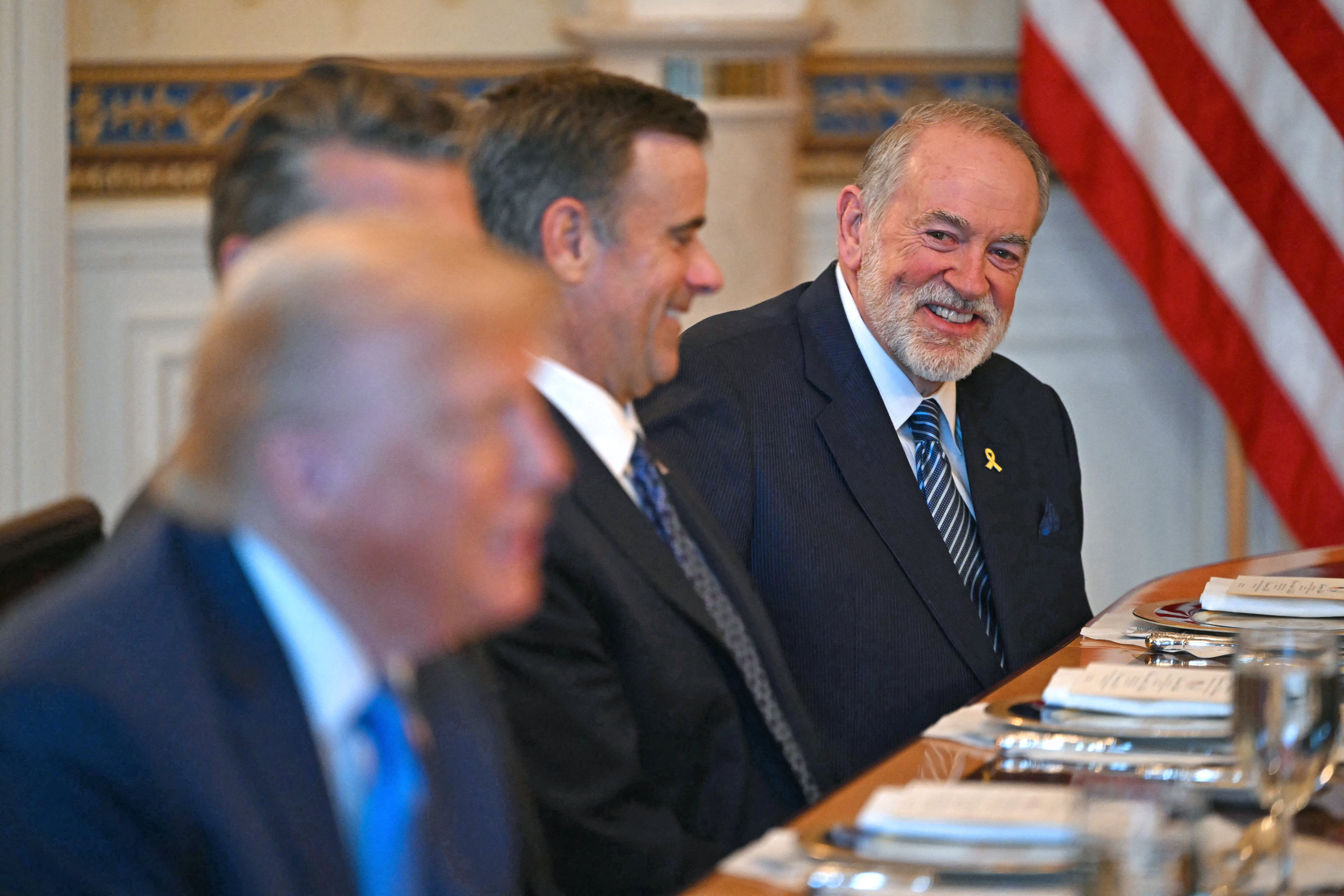
“The United States and Israel have an unbreakable bond,” stated Mike Huckabee, the U.S. ambassador to Israel, on Sunday. However, he acknowledged an “enormous level of anxiety about the relationship” during his address at the JNS International Policy Summit in Jerusalem, where discussions were largely dominated by concerns over the U.S.-Israel alliance.
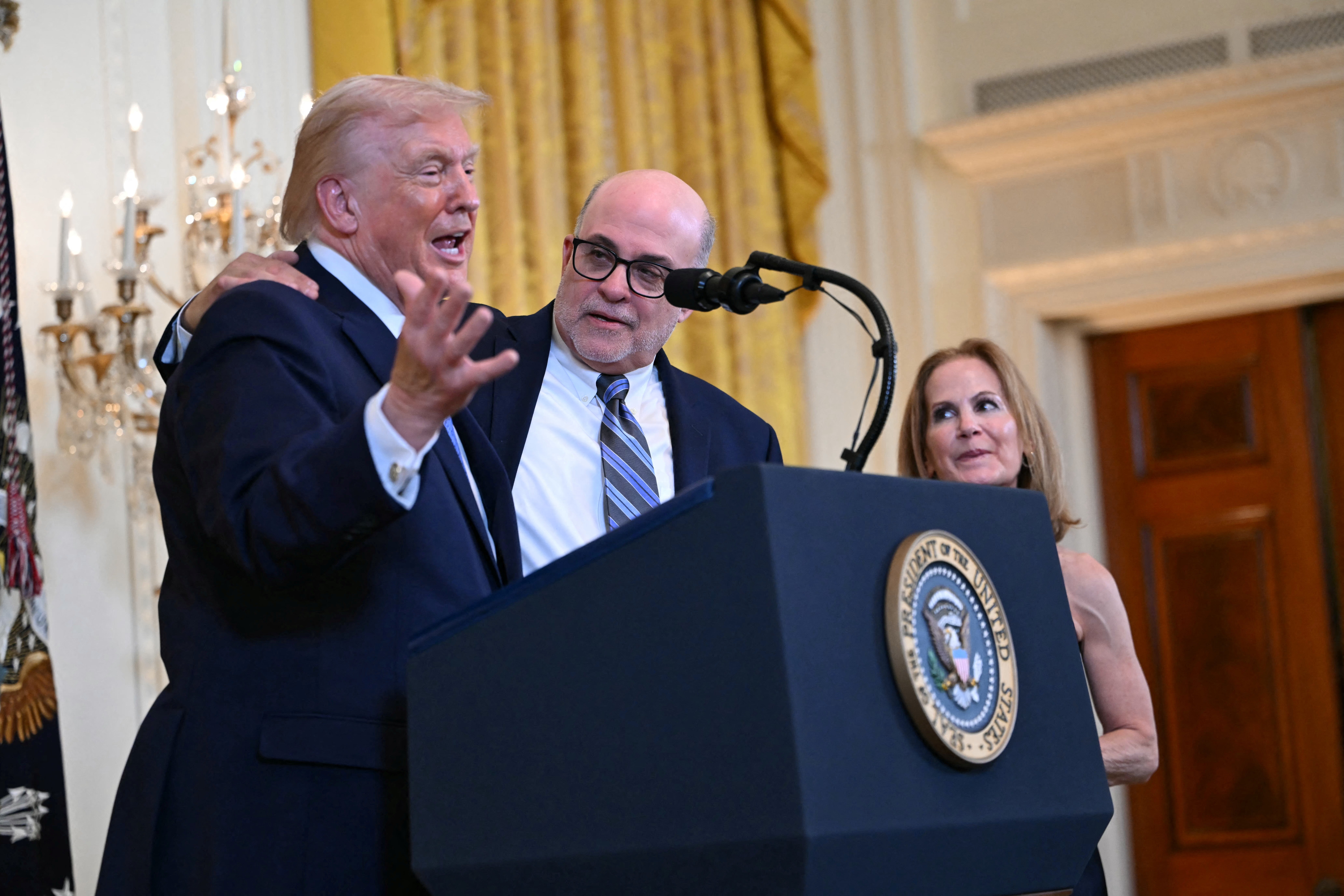
Mark Levin, a conservative Fox News commentator and long-time supporter of President Trump, expressed his disapproval of the Iran deal to the audience, stating his belief that the “Iranian regime” had to be destroyed. Despite this, Levin praised President Trump for what he described as the president’s support for liberty, religious freedom, Christianity, and Judaism.
Beyond the specifics of the Iran deal, Israelis are also troubled by President Trump’s insistence on Israel agreeing to a ceasefire with Hezbollah in Lebanon, as well as his strong language in response to Netanyahu’s resistance to these agreements. In recent weeks, President Trump has reportedly called Netanyahu “fucking crazy,” lectured Israel that “you don’t have to knock an apartment down every time you’re looking for somebody,” and publicly considered asking Syria to replace Israeli troops in Lebanon.
 open image in gallery
Vice President JD Vance also adopted a more critical tone, asserting that “Trump is the only head of state in the entire world who is sympathetic to the nation of Israel at this moment in time,” adding that not all criticism of Israel should be dismissed as antisemitism. The fact that such sharp views are emanating from President Trump’s Republican Party is particularly concerning for many Israelis, especially given that U.S. Democrats have become far more vocally critical of Israel in recent years.
Sid Rosenberg, a prominent conservative New York radio host, advised Israelis that despite their concerns about President Trump, he remained their best option. “You could have JD Vance. Good luck with that,” he remarked, after acknowledging that “a lot of people in Israel are very, very upset” with the president.
While a large majority of Republicans aged 50 and older view Israel favorably, younger conservative Americans have grown increasingly critical. A Pew Research Center poll from late March revealed that 57% of Republicans aged 18-49 hold an unfavorable opinion of Israel, an increase from 50% a year prior.
 open image in gallery
Many Americans, including influential Democratic politicians, were outraged by the scale of death and devastation resulting from Israel’s military campaign in Gaza following the deadly Hamas attack of October 7, 2023, on Israeli communities and the taking of hostages. Israel has also faced criticism over the joint decision to launch the war on Iran, a conflict that remains deeply unpopular in the United States, even among President Trump’s conservative base.
Victoria Coates, vice president at the conservative Heritage Foundation think tank and President Trump’s deputy national security adviser during his first term, suggested on Monday that while the U.S.-Israeli relationship was strained, she was confident that the leaders of both countries would bring it “back on track.”
A day earlier, speaking at the conference, she had noted that recent days had been “challenging for all of us, to put it mildly,” but emphasized that there had been plenty of “great and good things” in President Trump’s second term “for which we can and should be grateful.”
 open image in gallery
Until recently, President Trump had been widely regarded in Israel as its strongest-ever White House ally, following his decision in his first term to recognize Jerusalem as Israel’s capital and Israeli sovereignty over the occupied Golan Heights, as well as his leading diplomatic role in securing the release of hostages last year.
Two Israeli officials familiar with Prime Minister Netanyahu’s thinking indicated that he was not concerned that comments by President Trump and Vice President Vance signaled any meaningful U.S. policy changes, such as slower arms deliveries. These officials, who spoke anonymously, stated that Netanyahu believed the comments might be partly aimed at assuaging voters ahead of U.S. midterm elections in November, amidst growing frustration over Israel and the war.
The anxiety in Israel has prompted some prominent figures to suggest that it is time for the country to envision a future without strong U.S. support and to further develop its own military and technological capabilities. Ohad Tal, chair of the U.S.-Israel caucus in Israel’s parliament, the Knesset, emphasized the need for Israelis to prepare for a future with a less supportive U.S. president, stating, “this is why we have to be much more independent and we have to forge new alliances.”