



AdvertisementScienceChinaScience
Chinese robot helps children with nerve disorder stand up for the first time
Six weeks of resistance training with a new wearable device more than doubled spinal muscular atrophy patients’ leg strength, study finds
2-MIN READ2-MIN Listen
Shi HuangPublished: 12:00pm, 4 Jun 2026Some people living with spinal muscular atrophy (SMA) have never been able to stand on their own.SMA is a genetic disorder that causes the nerves that connect the brain and muscles to deteriorate over time, making it challenging or even impossible for those affected to contract their muscles. Over time, their muscles shrink through lack of use.
Depending on the severity, this condition can confine individuals to a wheelchair or leave them bedridden. It can also make eating and even breathing difficult, sometimes fatally so.
Advertisement
But a new tool has shown it can help SMA patients rebuild their strength. After just a few weeks of engaging with a video game, six children in China could stand up from a chair for the first time.
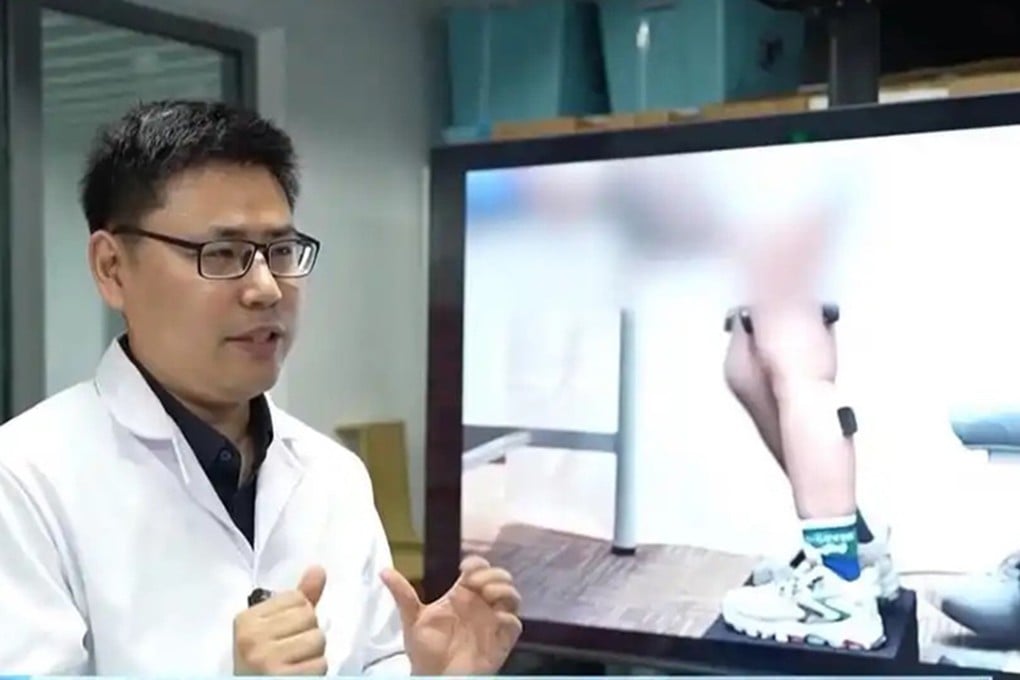
The children, aged six to 10, volunteered for a study that involved strapping a robot to their knees. The robot, weighing less than 1kg (nearly 2lbs), did not help them to move – instead, it resisted them. When they kicked, the robot made it a little harder.
Advertisement
This forced their muscles and nerves to work together, building muscle mass and strength.
AdvertisementSelect VoiceSelect Speed00:0000:001.00x