


AdvertisementChina consumptionEconomyChina Economy
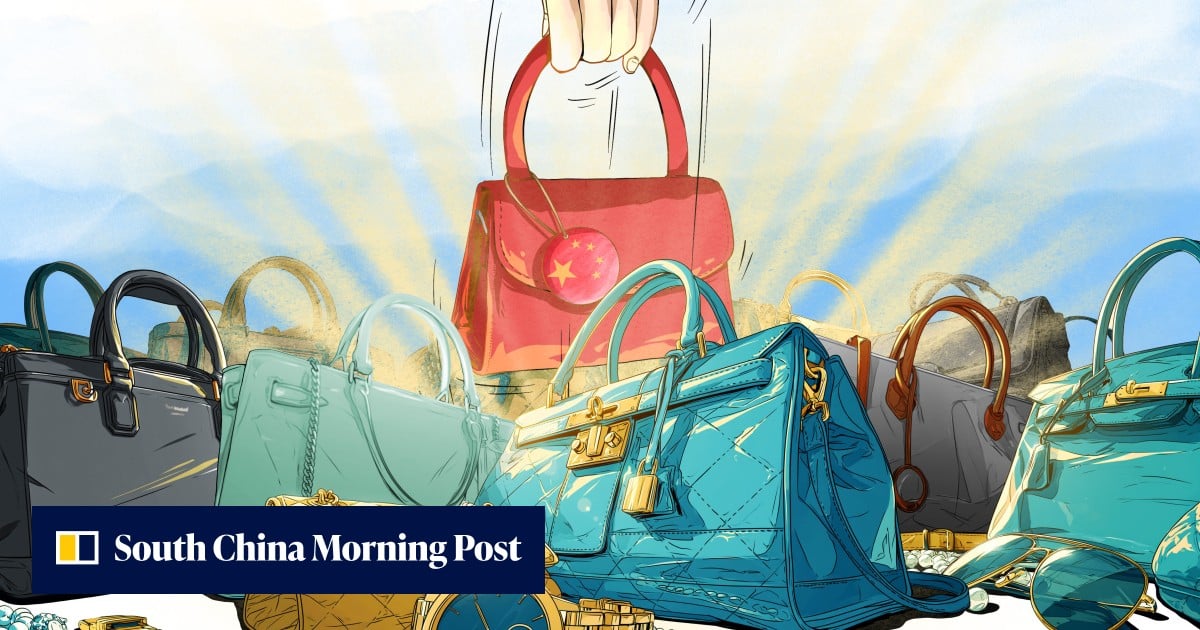
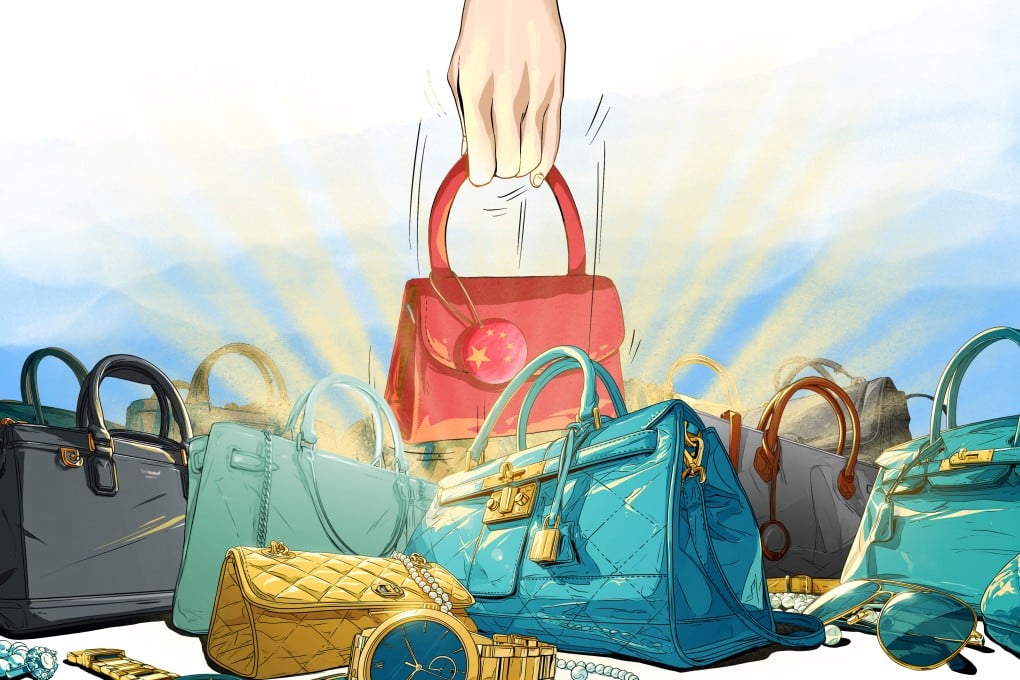
In FocusChinese luxury brands rise from challengers to market shapers as global houses lose lustre
A growing number of local brands are winning over premium consumers who prize craftsmanship, innovation and a high‑value sense of luxury
5-MIN READ5-MIN Listen
Mandy Zuoin ShanghaiPublished: 6:00am, 7 Aug 2026Updated: 6:07am, 7 Aug 2026
After months of declining gold prices, Li Yue recently spent nearly 28,000 yuan (US$4,148) on a 10-gram (0.35-ounce) pure gold necklace – more than double the prevailing market rate for the metal.
The piece in question: a gourd-shaped pendant from Laopu Gold, a Chinese heritage jewellery brand that has captured significant attention in recent years.
But for Li, a software engineer in Shanghai, the purchase had little to do with bullion value. She cared more about the necklace’s design – the gourd is a traditional symbol of fortune and prosperity – and the care with which it was crafted.
“No one asks how much the fabric of their Louis Vuitton bag costs, right?” she said.
Li is precisely the kind of customer Laopu Gold is courting. Having cultivated a sophisticated customer base through its choice of retail locations and emphasis on craftsmanship and aesthetic expression, the brand has earned a place in the luxury echelon, becoming one of the bestselling labels in China’s high-end malls – even as overall luxury spending continued to decline, analysts said.Like Laopu, a growing number of local brands are now appealing to premium consumers. As international luxury brands such as Cartier, Tiffany & Co, and Gucci close their doors on Huaihai Middle Road – one of Shanghai’s premier shopping thoroughfares – a wave of home-grown names has taken their place, from handbag label Songmont and shoe brand Pane to perfume house To Summer.AdvertisementSelect VoiceSelect Speed00:0000:001.00x