


Can the UK kick its cod habit? Fish and chip shop favourite slips down the menu as prices soar
The cost of the traditional takeaway has doubled since 2019, and more outlets are trying to tempt customers with cheaper options such as coley, pollack and hake
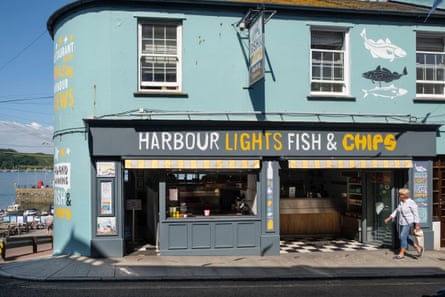
In late April, visitors to Harbour Lights in Falmouth, Cornwall, may have raised an eyebrow. The fish and chip shop was in the midst of a “cod-free week”, its owners having removed cod from its menu entirely.
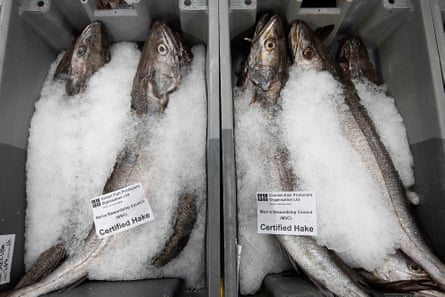
It was the second time owner Pete Fraser had undertaken the experiment, 15 years after the first. He also removed cod from his shops in Penzance and Helston, replacing it with coley, pollack, hake and hoki. The result was very different. “Some of the feedback we had, which certainly wasn’t what we got when we ran it years ago, is ‘Can you repeat this?’ Before, it was like, ‘Have you guys lost your head’?”
Part of the motivation for chippies making moves like Fraser is down to price. The average cost of a fish supper has risen from £6.48 in 2019 to £11.17, according to the Office for National Statistics. A barrage of pressures, from Brexit to dwindling fish populations and fishing quotas, pandemic inflation to war in Ukraine and the Middle East, has sent prices, particularly of cod, soaring.
Owners report regulars visiting less and, that when they do, they are often now sharing meals. Hundreds of chippies are up for sale; almost half of owners are “extremely worried” about the future, according to the National Federation of Fish Friers (NFFF).
Consequently, a growing number of operators are experimenting with alternatives to cod and haddock. Occasionally, this is done surreptitiously – a recent investigation found some passing off catfish as “traditional fish and chips”. Mostly, it is well advertised.
At the Cod’s Scallops in Nottingham, for example, customers will find monkfish, hake, plaice and sea bass. Donington Fish and Chips in Lincolnshire, which opened this year, offers hake and plaice. At the Mayfair Chippy in London, one of the priciest in the country, cod was recently removed due to sustainability and overfishing concerns. “Some guests were surprised,” says co-owner Pete Taylor. “But the response has been mostly positive.”
Barry Young, managing director of Brixham Trawler Agents, says chippies are increasingly opting for hake, and “there is scope for a wider range of species to play a bigger role in the future”.
While sustainability is a concern for Fraser, he says he doesn’t have an issue with current cod stocks. “I am a big fan of the MSC [Marine Stewardship Council],” he says. “If they certify a fishery is safe, I’ve got no problem selling any MSC fish, cod included.” Instead, his impetus is trying to get people to break the habit of a lifetime. “For 20 years I’ve been on a personal mission to get the British to be braver. If you try different fish, you take pressure off the stocks of the more popular ones.”
Nevertheless, with the wholesale price of the most favoured fish doubling in two years coupled with rises in the cost of British potatoes and oil, price is definitely an additional factor in his menu experiment. “We can’t absorb that [rising cost], so we offer alternatives at prices people are familiar with,” Fraser adds.
Cod and haddock make up the majority of Fraser’s sales, with a 17-3 split in favour of cod (in the north of England and Scotland, haddock is more popular). But, he says, alternatives, such as coley and pollack, which sell for £2 less than cod, do cook and eat similarly as they are part of the same family of fish.
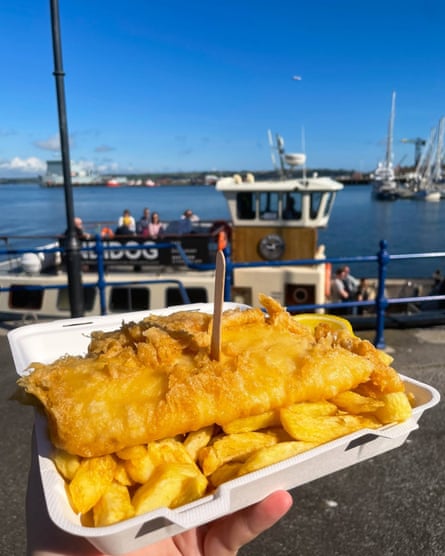
He sells Cornish hake and sole, popular with regulars wanting to support local fishing communities and tourists seeking local delicacies. “There’s no drop in the quality of fish [from cod and haddock], it’s just the British are so entrenched [in their thinking]. Over the Channel, they love variety.”
Over in Cromer on the north Norfolk coast, Will Watson, owner of Will’s Plaice, is gearing up for summer. Three months ago he introduced New Zealand hoki, which he describes as “a cross between cod and haddock”. It costs £12 with chips, whereas cod is £14.10. The New Zealand alternative is selling well.
“Cod and haddock still make up 75-80% of sales, but those who try hoki often reorder,” he says. “We have fun with people who haven’t heard of it, we start doing the hokey cokey,”
He continues: “Fish overall is very expensive, people worry about spending on something they’re not going to like. But no one has not liked it. We portioned some up and sent it into the bar next door – several people came in to buy a full fillet.”
Andrew Crook, president of the NFFF, said 95% of his sales at Skippers of Euxton in Lancashire are cod and haddock. Alternatives are “still not the norm”, he says. Yet they have risen sharply in popularity across the industry, particularly hake, much imported from South Africa.
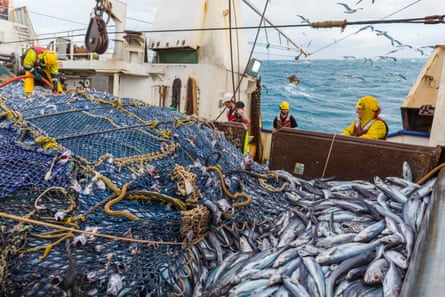
Hoki comes from New Zealand, coley from Norway and Iceland. Neither is available in enough numbers to replace (wild) cod and haddock.
In the meantime, operators fret over further price hikes, with rumours circulating they could double again by the end of the year. That would drive more chippies to offer alternatives.
Watson, who is opening a new shop in North Walsham in Norfolk next month, says he would like to see cod and haddock less dominant, and is constantly talking to his suppliers. “What’s the point of having something on the menu you can’t make money on?” he says. “I can only put the prices up so much on my end. If [the wholesale price] goes up more we’ll have to take it off.”
When Fraser removed cod 15 years ago, cod and haddock made up 90% of sales; now it’s 75%. Can Britain ever overcome its addiction to cod and haddock? He is optimistic: “Cod and haddock haven’t had their day, they’re both wonderful fish, there are still well-managed supplies of them. But people are gradually getting braver, which is great.”