


The government is under renewed pressure to decide on compensation for individuals who have suffered avoidable harm from pelvic mesh and the epilepsy drug sodium valproate.
More than two years after the Hughes Report called for a two-stage redress scheme, its author, Professor Henrietta Hughes, England’s patient safety commissioner, has expressed disappointment over the “continued absence of visible and timely progress”.
Campaigners insist compensation “is not optional and is long overdue”.
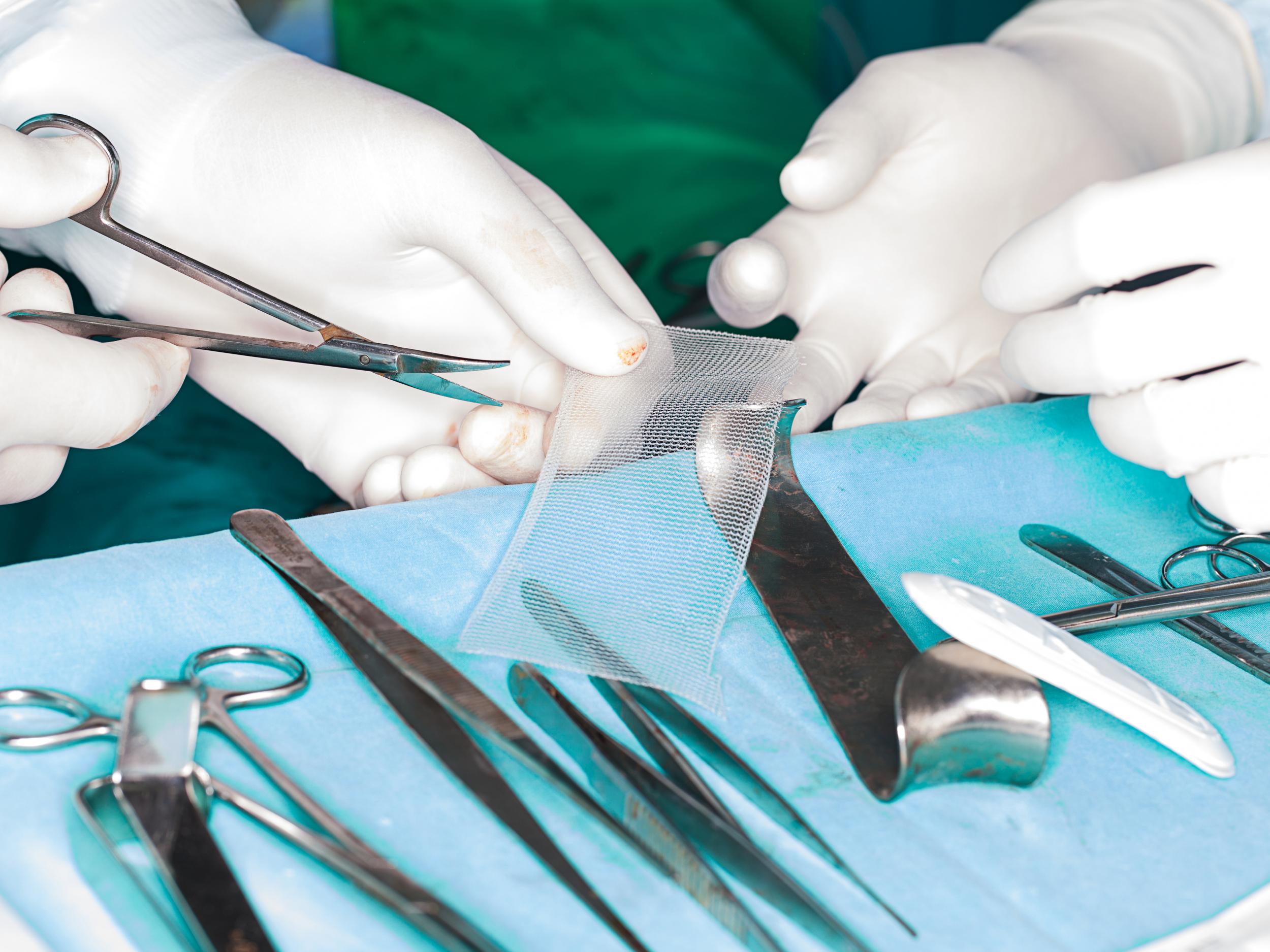
Transvaginal mesh implants, used for pelvic organ prolapse and incontinence after childbirth between 1998 and 2020, have caused debilitating harm, leading in some cases to women having their bladders or bowels removed.
The NHS restricted their use in 2018, now employing them only as a last resort.
Meanwhile, thousands of babies are thought to have been harmed by sodium valproate use during pregnancies since the 1970s.
 open image in gallery
The drug, used to treat epilepsy and bipolar disorder, is now known to cause birth defects and lifelong learning difficulties and impacted an estimated 20,000 families.
The Hughes report had suggested victims should start to receive interim compensation payments from 2025.
It said an interim award of £25,000 was the “median amount patients said would be appropriate”.
However, Prof Hughes said the Government has still not given a “substantive response” to her recommendations.
She has written to No 10 for more information under the Medicines and Medical Devices Act, with a response deadline set for July 16.
Prof Hughes said: “Nearly two and a half years ago, the Hughes Report set out clear and urgent recommendations shaped by the experience of patients harmed by valproate and pelvic mesh and the systemic failures that followed.
“It provided compelling evidence of enduring gaps in recognition of harm, access to redress, and the adequacy of support available to affected patients.
“These are not new concerns, but as the Hughes Report highlighted, they continue to have significant consequences for those who have been harmed and indeed continue to do so.
“The recommendations in the Hughes Report are direct and actionable. They address fundamental issues in how the system responds to harm, including the need for timely acknowledgement, fair and accessible routes to compensation, and a more coordinated, compassionate response from government and public bodies.
“The continued absence of visible and timely progress against these recommendations risks perpetuating the very harms and inequities the Hughes Report identifies.
 open image in gallery
“Given the seriousness of these findings, and the continued impact on patients and their families, it is disappointing that the Government still hasn’t provided a substantive response to the Hughes Report.
“There is a clear need for transparency and accountability regarding the Government’s response. Understanding what action has been taken, and where progress has been made, is essential to driving improvement and restoring confidence with patients and the public.”
Kath Sansom, founder of campaign group Sling the Mesh, said the “evidence has been undeniable about the thousands of women living with devastating, irreversible injuries caused by treatments they trusted”.
“These women did everything right. They trusted their doctors. And for that trust, they’ve paid with their health, their jobs, their savings, and for some their marriages, but moreover their sense of self,” she added.
“This is not good enough. They should not be forced to fight through the courts for justice over a piece of plastic mesh that has shattered their lives.
“The Government must act now. Full, fair and urgent financial compensation is not optional, it is long overdue.”
Tom Shillito, health improvement and research manager at Epilepsy Action said is it “extremely worrying” that Prof Hughes is still pushing for answers.
“For the families affected, this is not about government process or policy discussions, it’s about the reality of living with the consequences of harm every single day,” he said.
“Many parents and carers have spent years seeking recognition for the harm they experienced.
“They have shared some of the most difficult moments of their lives in the hope that lessons would be learned and change would follow.
“For some families, more than 40 years have passed since the harm occurred and they are now reaching an age where they are increasingly worried about who will be there to provide support when they no longer can.
“We support Professor Hughes’s call for greater transparency.
“Families deserve to know what progress has been made and what happens next.
“After everything they have been through, they need the confidence that the recommendations made on their behalf will be acted upon and not simply left t to gather dust.”
A Department of Health and Social Care spokesperson said: “We recognise the significant impact that sodium valproate and pelvic mesh have had on people and their families.
“This is a complex issue and our priority is to ensure any response is fair, balanced and sensitive to those affected.
“We are carefully considering the recommendations within the Hughes Report, in collaboration with relevant departments, and we aim to provide an update in due course.”