


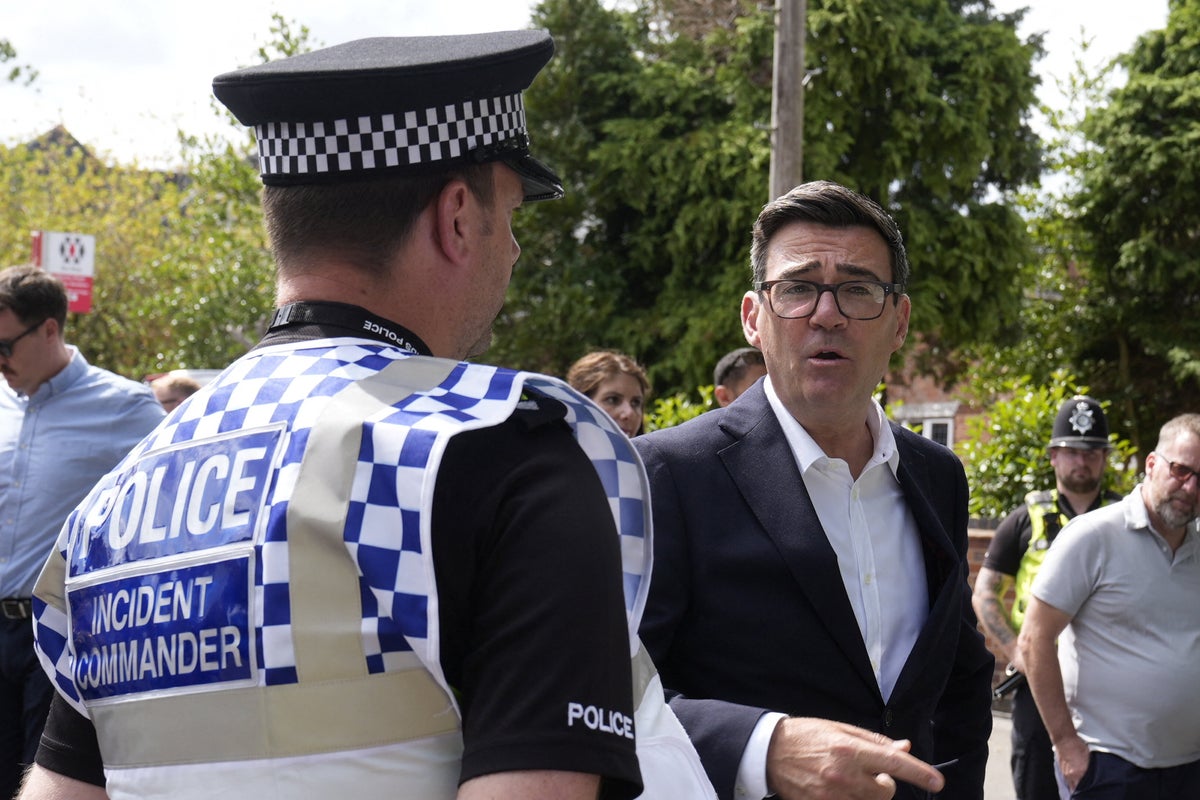
Andy Burnham has vowed to ramp up efforts to protect “tinderbox” Britain from raging wildfires and insisted the government would not “shrink” from the battle against climate change.
Writing exclusively for the The Independent, the prime minister pledged to send in more helicopters to tackle the crisis and vowed to stick to Labour’s target of reaching net target by 2050 to “save our children’s future”.
And he promised to send in the more military to ease pressure on the ground and support wildfire evacuations after 200 troops were deployed to aid communities on Friday.
It comes after he announced a ban on disposable barbecues that have sparked blazes across the country, telling Britons not to light an open fire “of any kind” and to dispose of cigarettes carefully amid a “combustible” situation. He added: “You are taking risks with other people’s home, with other people’s lives, if you act recklessly.”
Writing in The Independent, Mr Burnham said the impacts of the relentless heat and drought of record-breaking heatwaves were “on a scale that we simply haven’t seen before”.
He wrote: “This summer has shown beyond doubt that climate change is not a far-off prospect, but with us today. None of us can pretend we cannot see it.”
 open image in gallery
“I know people are deeply worried about the climate crisis and what it means for them and their children’s future. So let me say again very directly – there can be no turning away from the fight against climate change. This government will hold to the target of reaching net zero by 2050 and continue to work with other countries to protect our planet,” he added.
“This summer has shown everyone what is at stake. So we will not shrink from this battle. This government will rise to the moment and build a better, fairer, greener and more resilient Britain.”
He recommitted to building nine new reservoirs to tackle water supply issues, as most of the country is in drought, and said he would look at measures to ensure hospitals, schools and homes are better adapted to deal with extreme temperatures.
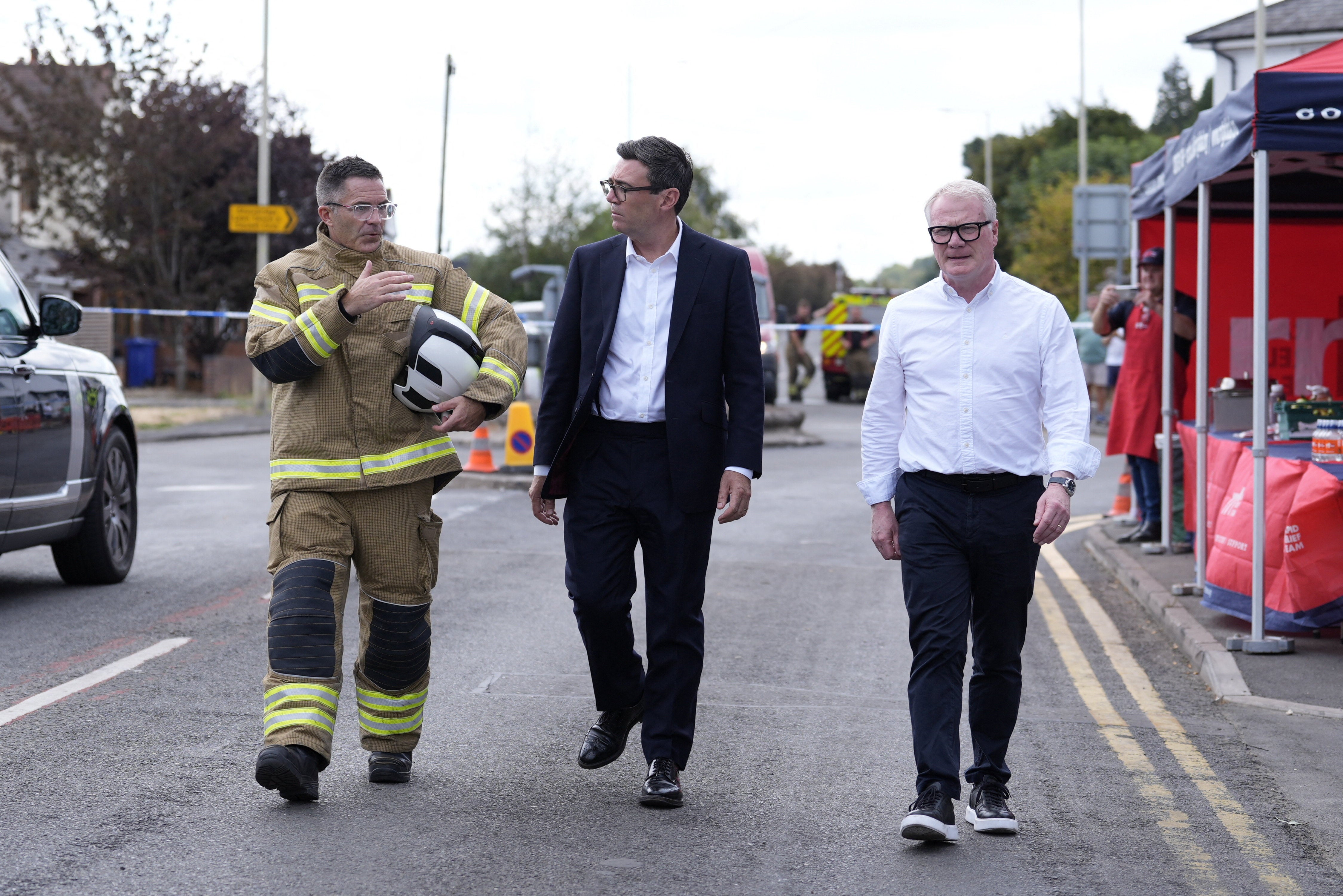
Speaking on a visit to fire-ravaged Stourbridge on Friday to see the impact of a devastating blaze that tore through homes, the prime minister said the country has to “face up” to the “changing climate” and needs to transition to “more clean energy”.
 open image in gallery
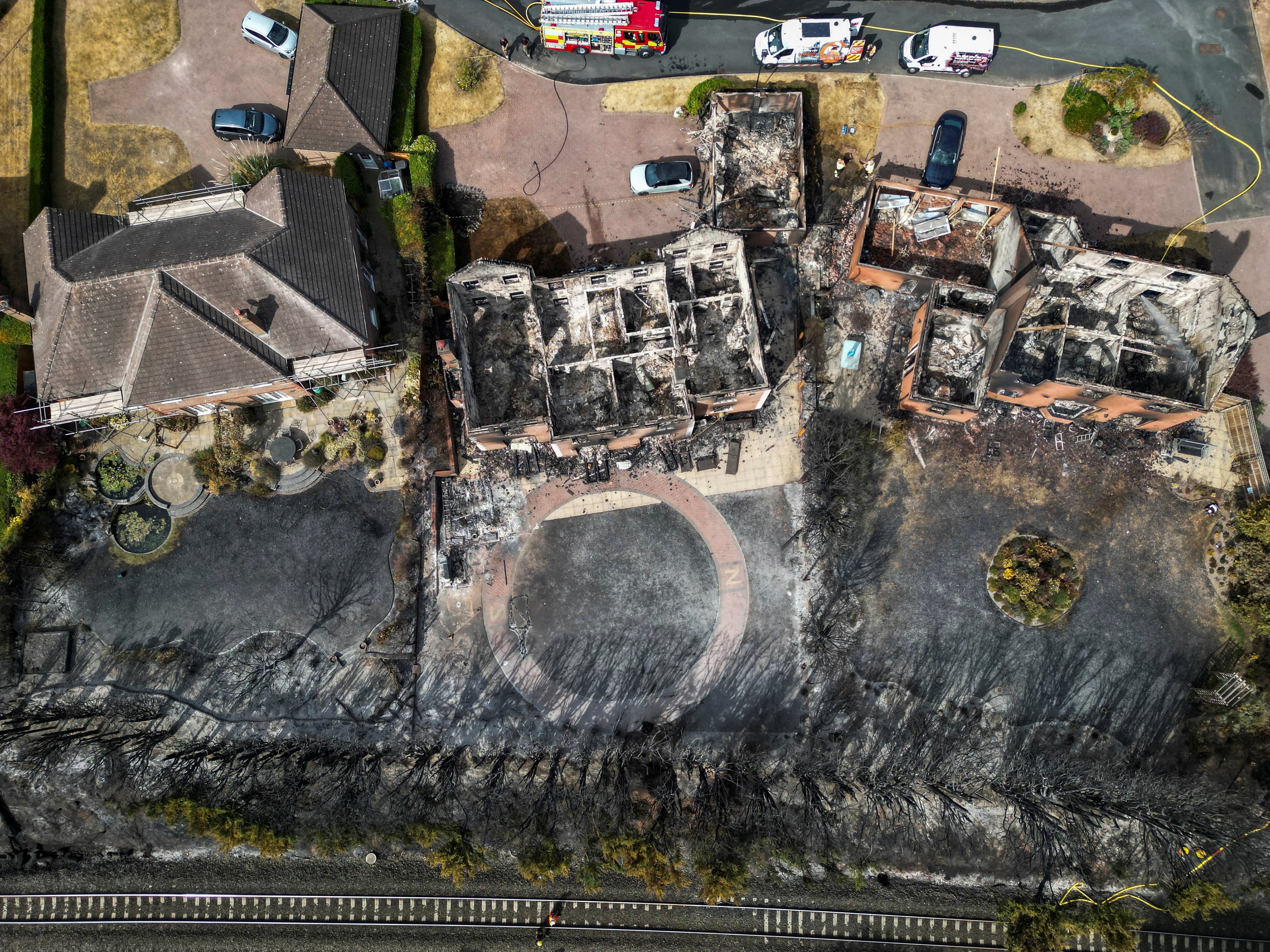
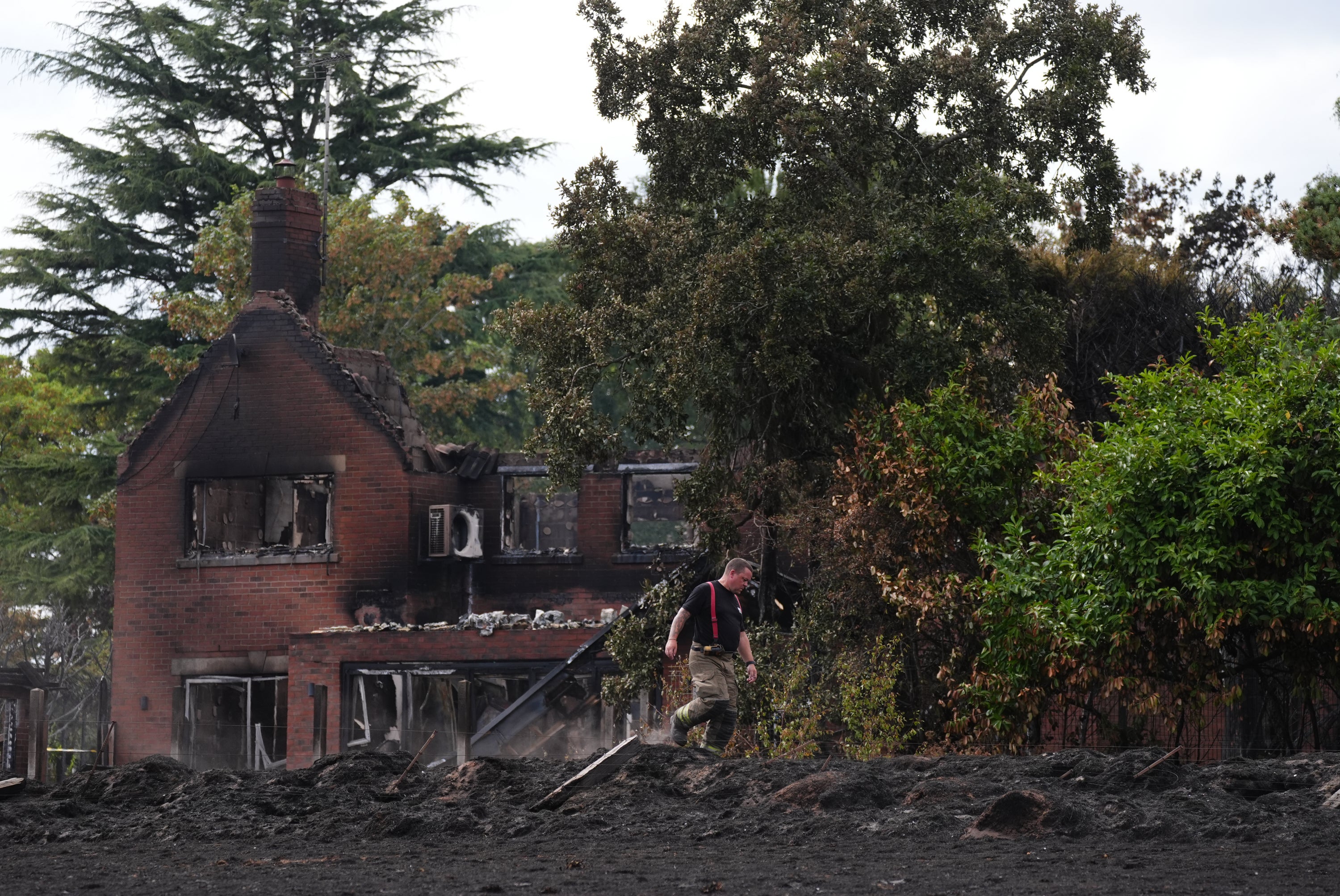
He said: “I’ve never seen scenes like this in Britain, where you just see a whole house gutted, smouldering.
“And I met one of the families whose house had gone up in that in that way, so you can imagine how distressing that is for for them, and you feel for them and their kids, and not to go elsewhere. You know, it’s just unbelievably devastating for people in this in this position.
Speaking about practical measures to tackle the blazes, Mr Burnham said: “We have a system of mutual aid in play at the moment, where fire and rescue services are supporting each other, but with so many incidents, it is crucial that the military support is there if fire and rescue services can’t do the same backup that they would normally be doing. So that is hugely appreciated.
“The second issue is around aerial firefighting capability, the planes that people might see in other countries.
“We have taken a decision to deploy nationally aerial firefighting support, so commissioned nationally. But that obviously wasn’t available here, but it will be available elsewhere, and it would have made a difference.”
 open image in gallery
Currently, the UK does not have any water-bombing aircraft, but the military is reportedly in talks to bring its Chinook helicopters, which drop water from a huge bucket suspended below the aircraft, back from Cyprus to fight wildfires in the UK.
Mr Burnham also announced a temporary ban on disposable barbecues had come into force on Friday. The single-use grills “have been the cause of a number of serious wildfires across the country over the summer months”, advice published online by the government said.
It added: “Disposable barbecues cannot be considered a safe product in the context of the ongoing weather and environmental conditions and must not be made available for sale either in store or online at the current time.”
This year is the first year on record to see three separate days where temperatures reached the 37C threshold, as well as the first year with four days at 36C or above, and extends 2026’s record-breaking run of days above 35C.
It is the fifth heatwave in a summer which has also been marked by extremely dry weather and drought for much of England and Wales.
The UK is facing increasingly extreme conditions such as heatwaves, drought and wildfires fuelled by climate change.
A total of 54 people have been treated by paramedics, including 19 who were admitted to hospital, after wildfires broke out across the West Midlands, the region’s ambulance service said on Friday.
Staffordshire Fire and Rescue service said six firefighters had been taken to hospital to be treated for smoke inhalation and heat exhaustion after battling blazes across the county on Thursday night.
 open image in gallery
Huge blazes across the region led to “apocalyptic” scenes, thousands of 999 calls and evacuations, with residents told to “stay away” from their homes as firefighters work to tackle the blaze.
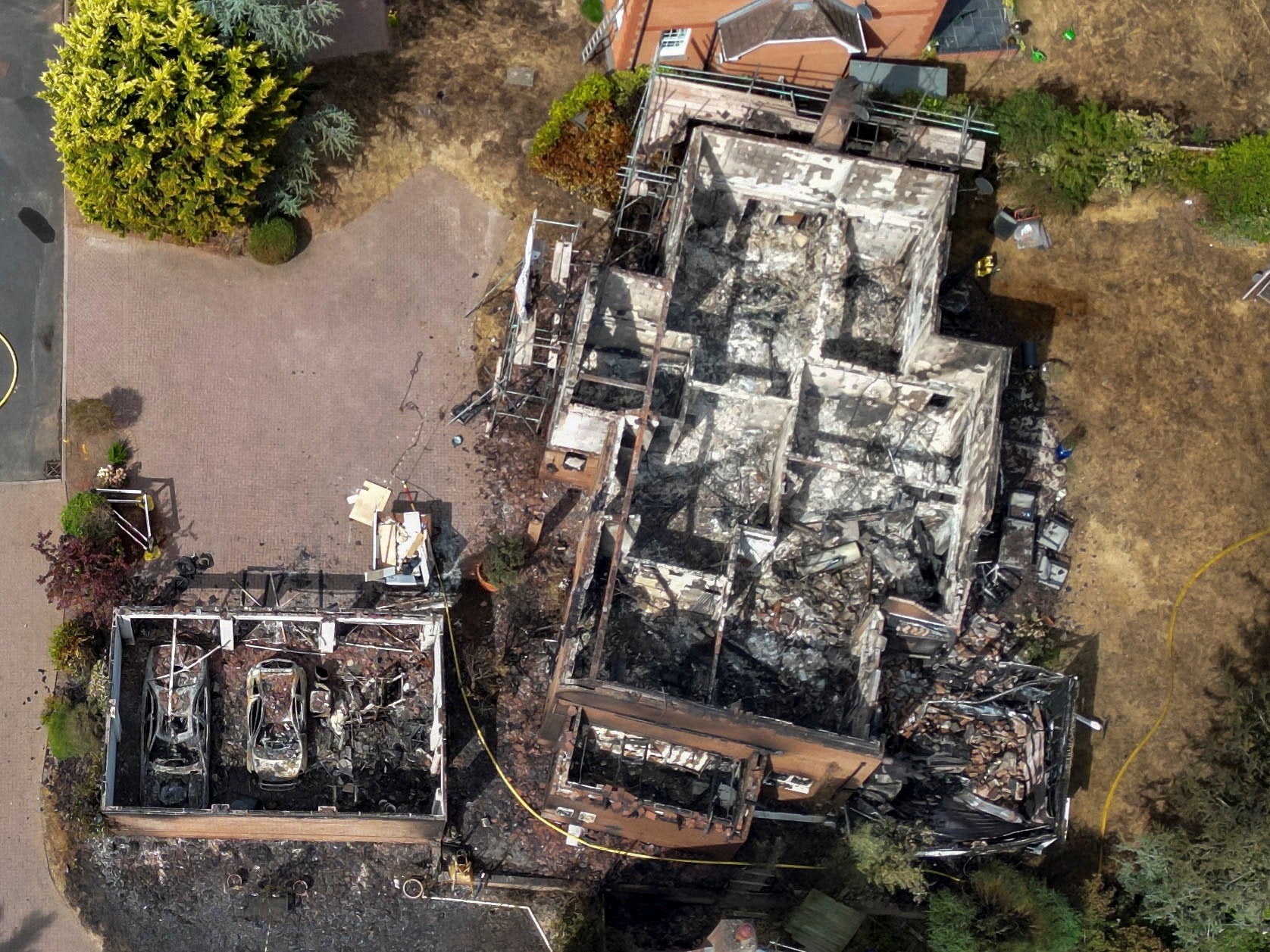
In addition to the 19 homes that were destroyed in Stourbridge, a further 18 were damaged as the fire spread over more than 500 acres.
Crews are still working to tackle the blaze which has left a “significant” number of residents displaced.
A child was among those taken to hospital after one wildfire in Stourbridge left “extensive” devastation to homes and grassland.
A senior fire officer previously said the fire, which forced some people to flee after it started tearing through homes, was “one of the most significant” incidents the region’s fire service had ever dealt with.