


 Image source, Reuters
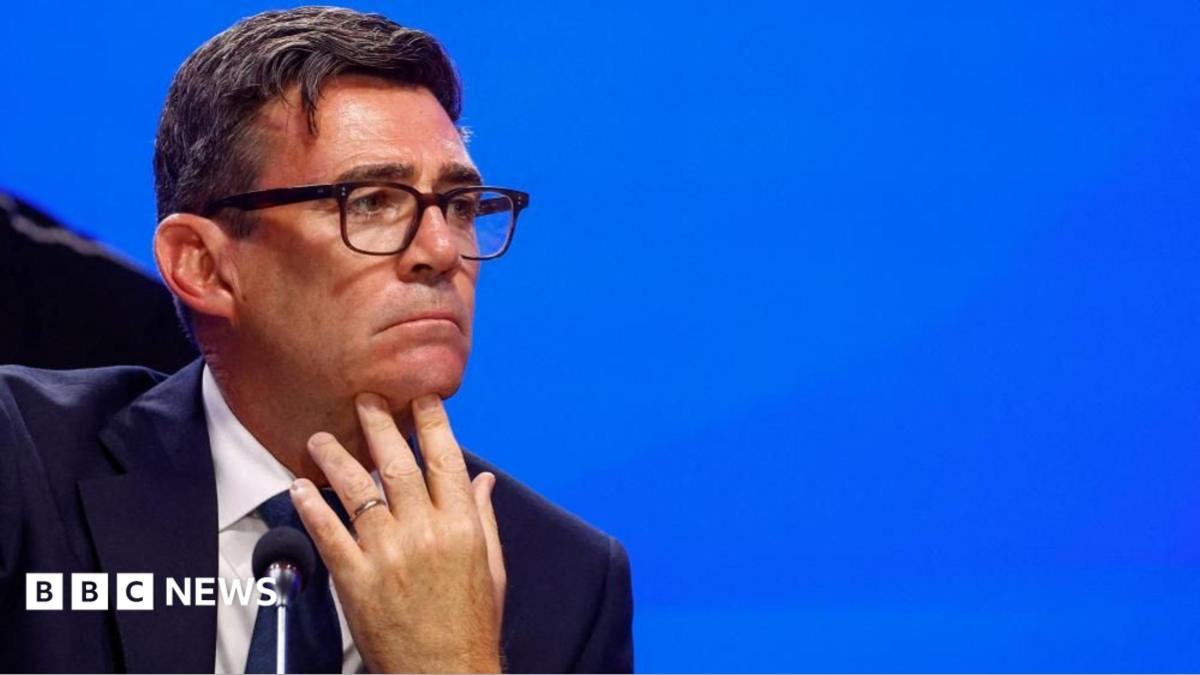
Andy Burnham has reminded MPs that all views must be respected
ByEwan Somerville and Kate Whannel, political reporters
Prime Minister Andy Burnham has revealed he will not vote on the assisted dying bill for England and Wales unlike his predecessor Sir Keir Starmer.
MPs are likely to get the chance to debate and vote on the Terminally Ill Adults (End of Life) Bill in two weeks’ time.
The bill is identical to the one put to Parliament last year, where it passed in the House of Commons but stalled in the Lords after an unprecedented number of amendments meant it ran out of time.
Burnham said he has his “own personal views on the issue” but it was “a matter for Parliament to decide”. Starmer voted in favour of the previous bill when he was PM but did not campaign in favour of it, remaining officially neutral.
Writing to Labour MPs on Friday, Burnham said: “My role, as the prime minister, will be to lead a government that implements the will of Parliament in this area – whether that is to change the law or not.
“I also do not want to unduly influence the debate as prime minister and for every colleague to know it is a genuinely free vote.
“For these reasons, I have taken the decision that it is most appropriate for me not to vote at Second Reading.”
He added that “there is no single right position” and it was an “incredibly important and personal debate”.
“It is vital that those different views are treated with dignity and respect,” he wrote.
While his abstension is a departure from Starmer’s support, Burnham stressed that the government as an entity would officially remain neutral on the bill.
When he was Greater Manchester mayor, Burnham indicated he was in favour of assisted dying in principle.
But in June he suggested it would be challenging to implement before social and palliative care were improved.
The assisted dying law would allow adults over the age of 18 who are expected to die within six months to be given help to end their own life, subject to certain safeguards.
Burnham has also told ministers they can vote as they wish but, in a separate letter on Friday, he told them they “should avoid being part of the public debate and should not express views about the implications of the bill for their department’s responsibilities”.
Health Secretary Yvette Cooper previously voted in favour of assisted dying, but her predecessor Wes Streeting had openly voiced concerns about the implications for the NHS.
Supporters of the assisted dying bill – brought by Labour MP Lauren Edwards – are hoping it will to pass the Commons unamended.
This is because an amended bill in the Commons would remove powers under the Parliament Acts to override the Lords and make it law if they refuse to back it.
MPs in favour of the bill hope Lords would vote in favour, if presented the choice of some sceptical amendments versus an entirely unamended bill becoming law.
It comes after the Lords tabled more than 1,200 amendments, mainly from opponents, during the previous bill earlier this year.
That prompted assisted dying campaigner Dame Esther Rantzen, who has terminal cancer, to accuse opponents of trying to sabotage rather than scrutinise it.
Opponents of assisted dying have vowed to continue scrutinising the bill.
A separate bill that would have legalised assisted dying in Scotland was rejected by the Scottish Parliament in March 2026.

Sign up for our Politics Essential newsletter to keep up with the inner workings of Westminster and beyond.